
Farro tastes nutty and slightly sweet, with a gentle earthiness and a pleasant chew similar to al dente pasta. It holds its shape in soups, salads, and grain bowls, and its toasty flavor stands up well to bold dressings and roasted vegetables.
It tastes pleasant with veggies, fruits, meat and seafood, so you can create dishes for breakfast, lunch, dinner, or other special occasions.
What makes farro a versatile grain? It's probably because of its flavor.
But what does farro taste like? It can't have an overpowering flavor or it won't click well with all the other ingredients.
What is Farro?
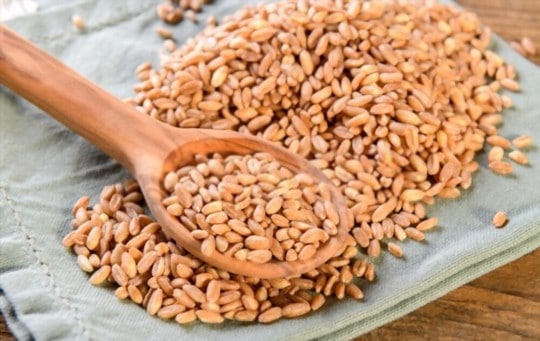
Farro is an ancient grain that comes from three wheat species, including spelt, emmer, and einkorn.
Among the three, emmer is widely grown in Europe and the US, and the grain from this species is commonly called farro.
It's primarily eaten in Italy but has also become integral to Mediterranean cuisine.
It's one of the oldest cultivated grains and is more nutritious than refined grains.
That's one of the reasons for its popularity in recent times.
Farro also complements various foods, so it's suitable for making salads, soups, stews, casseroles, and pilaf.
Farro is available in three categories on the market; whole grain, semi-pearled, and pearled.
Out of these, the first one is the most nutritious.
Hence, when looking for a healthier alternative, try whole-grain farro.
Any dish with farro offers flavor and goodness, so it's a suitable grain to include in your diet.
Let's now find out what precisely this grain tastes like.
When using farro in sweet preparations, consider citrus contrasts - see what goes well with lemon in desserts - pairing ideas for compatible flavors.
For a contrasting fruit flavor profile, consult what acai berry tastes like - taste guide to compare how farro pairs with tart, berry-forward notes.
What Does Farro Taste Like?

Farro is a grain, so it naturally contains slight similarities with other grains.
Its flavor resembles the taste of a lighter brown rice and is complex and nutty.
Farro also has little resemblance with oats and barley.
This ancient grain has a chewy texture, and if you don't have emmer farro, you can use spelt or einkorn farro as a substitute for any recipe.
Farro also has notes of sweetness akin to cinnamon.
But it's mild-flavored, so it makes a suitable combination with most ingredients.
A lot of people think that farro refers only to one type of grain.
It's true in the everyday context as emmer grain is called farro.
But scientifically speaking, grains from spelt, einkorn, and emmer come under farro.
So it's right in both cases, and you shouldn't be confused regarding this matter.
However, emmer farro and spelt farro have separate appearances and tastes.
Emmer is long, while spelt is short and rounder in shape.
Spelt is also sweeter than emmer.
Typically, spelt farro is also referred to as "false farro.
You can even get into a long argument with someone who doesn't know the correct facts about farro.
If you're ever in such a situation, simply mention that grains from all three species are called farro in a broad scientific sense.
When looking for farro, you can check the label, see which one it is, and buy the variety you need.
The ingredient list will mention whether it's emmer, spelt, or einkorn, so you won't have any trouble.
How to Cook and Serve Farro?
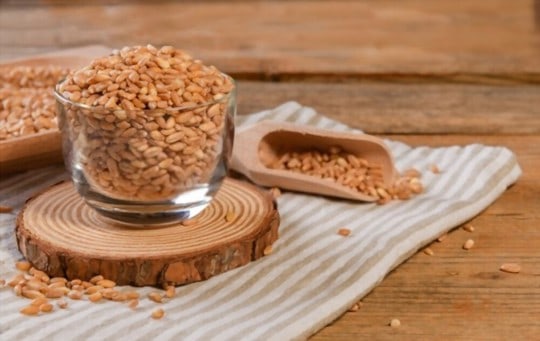
Earlier, we discovered that farro is a versatile grain that complements different ingredients.
It's also easy to cook farro as it doesn't take much time to become soft and well-cooked.
Hence, it can be a convenient grain to incorporate into your diet.
Farro is suitable for making porridge, salad, soup, stew, casserole, and more - pair it with 22 veggie sides that cook fast for quick, complementary accompaniments.
You can also use it in dishes that ask for rice, like risotto, pilaf, and fried rice.
While most farro dishes are savory, you can make sweet items with the grain.
Cooking basic farro is pretty simple and it requires a few steps.
Here's how you can cook farro in a basic way.
- Sort the dried farro, rinse it with cold water, and drain it using a strainer.
- Boil a pot of water with salt and put the farro.
- Perfectly cooked should be chewy and tender but not too soft, or it'll get mushy. Older farro is tougher, so it'll require more time to cook.
- Once cooked, remove excess water and place the grains on a big plate or baking tray. Once the farro cools down, enjoy it or store it in the refrigerator and use it when necessary. .
You can use farro to make dishes for breakfast, lunch, dinner, or special events.
Some popular farro dishes include.
- Farro pilaf.
- Grilled peach and farro salad.
- Farro risotto with mushrooms.
- Farro fried rice.
- Italian farro salad.
- Chickpea farro salad.
- Farro soup with vegetables.
- Baked farro pudding.
- Farro cranberry squares.
You can serve the dishes with different items.
For example, if you have farro pilaf, serve it with chicken, grilled lamb chops, pork tenderloin and Sirloin roast.
If it's a farro salad, roasted cauliflower, baked sweet potato or meat will be perfect.
Conclusion
Now that you know the taste of farro, there is no reason why you shouldn't try it out.
It's versatile and you can make any dish you want.
You can have it at breakfast or any mealtime.
It will make an excellent addition to any menu if you host a party.
However farro has gluten so those who are gluten-intolerant or have celiac disease should use alternatives like brown rice.
Barley and farro share similar uses in recipes - see barley vs farro comparison to weigh pros and cons. For alternative grains, healthy farro substitutes list outlines five good swaps.
Frequently Asked Questions
It tastes pleasant with veggies, fruits, meat and seafood, so you can create dishes for breakfast, lunch, dinner, or other special occasions. It's probably because of its flavor.
But what does farro taste like? Try it in a few different preparations to find which version you prefer.
How would you describe the texture of Farro?
The texture of Farro depends on how it is prepared.
Raw, cooked, and processed forms each offer a distinct mouthfeel that changes the overall eating experience.
Aroma and taste are closely linked. A strong smell usually signals an equally bold flavor.
If the smell is mild, expect a subtler taste that becomes more apparent with seasoning.
Depends on the ingredient. Some improve dramatically with heat, developing sweetness or losing bitterness.
Others are best raw, where cooking dulls the brightness that makes them worth trying.