
In the grand scheme of grains, barley and farro often get mixed up. We're here to settle the score.
Barley's been a staple since, well, forever. Think ancient civilizations. Farro?
It's the cool new kid on the block, with roots just as deep.
We've had our rounds with both. Our kitchens have seen more barley and farro than we'd like to admit.
Each has its charm, and we're spilling the tea.
Barley brings a chewy texture that's hard to beat. Farro answers with a nutty flavor that can make a dish sing.
It's not just about taste. Nutritionally, they're powerhouses.
Packed with fiber, they're like a hug for your gut.
We're laying it all out. No stone left unturned, no grain overlooked.

What is Barley?
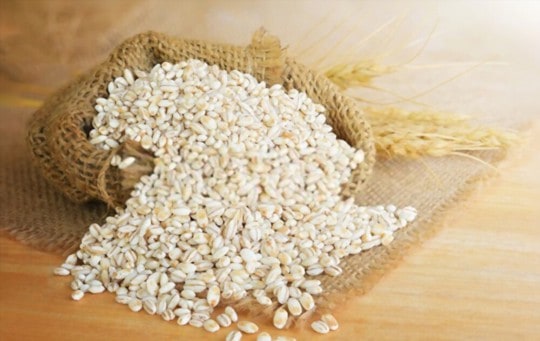
Barley, a cereal grain that belongs to the grass family, is a nutritious and versatile food ingredient.
Rich in fiber, vitamins, and minerals like magnesium and selenium, this superfood can help reduce the risk of heart disease, diabetes, and certain cancers while promoting good digestion.
Barley is often used in soups, stews, salads, and baked goods due to its chewy texture and nutty flavor.
It can be consumed as whole grains or as flour for cooking purposes.
What is Farro?

Farro is a wheat grain that originated in the Mediterranean region and has been used for centuries.
Its nutty flavor, chewy texture, and versatility make it an excellent addition to salads and soups.
Farro is an excellent source of protein, fiber, vitamins, minerals, and antioxidants.
It contains gluten but less gluten than wheat, making it easier for people with mild gluten intolerance to digest.
Farro is available in three forms: whole farro, semi-pearled farro, and pearled farro.
Whole farro takes longer to cook but retains more nutrients than pearled varieties.
Semi-pearled farro strikes a balance between convenience and nutrition by removing only some of the bran layer.
In comparison to barley, farro has higher amounts of protein and fiber per serving.
Barley also contains gluten and has a lower nutritional profile than farro.
However, barley has a lower glycemic index than farro, making it an ideal option for people with diabetes or anyone avoiding foods that raise blood sugar levels rapidly.
Overall, both barley and farro are nutritious whole grains that provide numerous health benefits when consumed as part of a balanced diet.
However, choosing one over the other depends on personal preferences and dietary requirements.
Nutritional Comparison between Barley and Farro
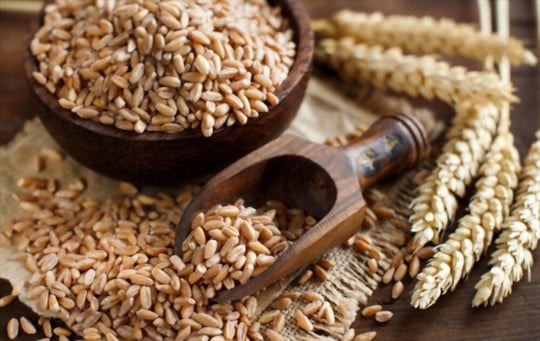
Barley and Farro are both ancient grains that have been gaining popularity in recent times.
They are known for their high nutritional value and unique taste.
When comparing the two, there are certain key differences to consider.
Barley is higher in fiber content than farro and contains more calories - see a barley wine vs beer comparison for another perspective on barley's uses.
On the other hand, Farro is a good source of protein and has a slightly nutty flavor.
Both grains are rich in vitamins and minerals essential for maintaining good health.
Farro is usually more versatile, thanks to its earthy flavor that goes well with various dishes such as salads, soups or stews.
Barley's nutty flavor makes it perfect for use in risotto.
It is also an excellent addition to soups and stews.
It's evident that choosing between Barley and Farro comes down to personal taste preferences as they both offer an array of health benefits.
Regardless of which grain you opt for, incorporating ancient grains into your diet promotes overall well-being while adding a distinctive texture and taste to your meals.
Differences in Texture and Flavor
Barley and Farro are two grains that have distinct differences in their texture and flavor.
Barley has a chewy texture and a nutty flavor that can be described as sweet or mild, whereas Farro has a slightly chewy texture with a subtle earthy and nutty flavor.
While both grains are versatile, the choice of grain depends on the recipe's requirements.
In terms of texture, barley is known for its starchy content that allows it to thicken soups and stews luxuriously.
Whereas Farro adds body to a dish without overpowering the other ingredients.
Both grains offer varying degrees of bite and add depth to a dish's complexity.
Regarding flavor, Barley is often paired with vegetables such as carrots, celery, and onion; whereas farro makes for an extract vs flavor difference that often reads as subtler and more earthy.
The difference in their flavors opens opportunities for various recipes' experimentation.
Overall, Barley offers a more substantial mouthfeel than farro but lacks the earthiness present in Farro.
Which grain you choose depends on your personal preference towards each grain's texture or how you want to include it in specific recipes - as heavier dishes vs lighter dishes - instead of one being better than the other.
Cooking Methods and Versatility
Barley and farro are both versatile grains that can be cooked in multiple ways.
Their cooking methods and versatility allow them to be used in a wide range of dishes, making them a popular choice for many health-conscious individuals.
Both grains can be boiled, steamed, and baked, making them easy to incorporate into various recipes.
In terms of versatility, barley has a nutty flavor and chewy texture that works well in soups, stews, salads, as a rice substitute, and even as a breakfast cereal.
On the other hand, farro has a slightly nuttier taste with an earthy flavor that blends well with vegetables or meat dishes.
It makes for an excellent base for salads or as an accompaniment to roasted vegetables.
Also, while they have subtle differences in taste and texture, each grain provides its unique nutritional benefits.
Barley is rich in fiber and helps regulate digestion while farro is loaded with protein, essential minerals such as magnesium and iron ideal for those looking to build muscle or bone mass.
When recipes call for an acidic touch, consider whether a cooking wine or vinegar fits better; a white cooking wine vs vinegar guide explains which option suits different grain preparations.
Health Benefits of Barley and Farro
Introducing two popular grains that provide exceptional health benefits.
- Both Barley and Farro are excellent sources of fiber which contribute towards maintaining a healthy digestive system.
- Barley is known to regulate blood sugar levels and also supports weight management with its low glycemic index.
- Farro is rich in antioxidants that help prevent cell damage and is also a great source of magnesium, which contributes to optimal nerve functioning.
- Barley contains several essential vitamins such as vitamin B6, folate, and niacin that support brain function and promote mental well-being.
- Farro provides essential minerals such as phosphorus, iron, and zinc that contribute towards strong bones and healthy immune systems.
Both grains have a slightly nutty flavor but differ in texture.
Barley has a chewy texture, while Farro is slightly softer.
Depending on personal preference or recipe requirements, either option can add an interesting twist to your meals.
Barley contains several essential vitamins such as vitamin B6, folate, and niacin that support brain function and promote mental well-being - for related grain processing differences see barley vs malted barley breakdown.
Uses of Barley and Farro in Cooking

Barley and Farro are both versatile grains that provide a wholesome base for many savory dishes.
These grains can be used interchangeably in stews, soups, and salads to add texture and flavor to the dish - see a barley vs oatmeal comparison for more breakfast and porridge swaps.
In addition, Barley is suitable for making risotto while Farro is an excellent option for grain-based pilafs.
Including bread and cookies, Barley flour is the preferred choice as it adds a unique flavor.
Farro flour is not generally used for baking due to its coarser texture.
Instead, it works well when added to stuffing or as a substitute for rice in stir-fries.
It's essential to note that Barley has soluble fiber that helps control blood sugar levels by slowing down digestion while Farro is rich in protein and contains more calories than barley.
Also, Barley has vitamin B6 content whereas Farro contains antioxidants like lignans and phenolic compounds.
Overall, choosing between Barley and Farro depends on individual preferences, taste preferences, allergies if any, and nutritional requirements of the body.
Which is a Better Option: Barley or Farro?
Barley and farro are both nutritious grains.
Both have their nutritional values and benefits.
While choosing between them, it is important to understand the differences.
Barley has lower calorie content than farro and is rich in fiber, while farro has more protein and minerals like calcium and magnesium.
In terms of taste, barley has a nutty flavor whereas farro tastes a bit earthy.
Depending on your health needs and taste preference, you can decide which one to choose for your meal.
If barley or farro choices affect baking plans, a roundup of barley flour substitutes for baking shows gluten-free and swap-friendly options.
Factors to Consider When Choosing Between Barley and Farro
When choosing between two nutrient-dense grains, Barley and Farro, certain factors need to be considered.
These factors will help you to make the most suitable choice depending on your specific needs.
Both Barley and Farro are whole grains that can be used in soups, salads, stews, or as a side dish.
However, Barley is known for its high fiber content and cholesterol-lowering abilities while Farro is gluten-free and an excellent source of protein.
Another factor to consider when choosing between Barley and Farro is their cooking time.
While both are relatively simple to cook, Farro takes longer than Barley to become tender.
When adapting recipes, think about binding and coating needs - an eggless breading substitutes list can help if using farro or barley in fried or baked preparations.
Nutritional Comparison of Barley and Farro
Barley and Farro are both healthy food options, but which one is better? After analyzing their nutritional profiles and properties, it can be determined that neither one is superior.
Both offer various health benefits, making them excellent additions to your diet.
When purchasing Barley or Farro, ensure that they are whole grain without additives or preservatives.
They can be cooked in various ways and added to salads, soups, or stews for a nutritious meal.
Therefore, the decision comes down to personal preference and dietary goals when selecting between these two grains.
5 BEST Substitutes for Barley are listed for different uses. 5 BEST Substitutes for Barley helps match texture and flavor. 5 BEST Pearl Barley Substitutes focuses on swaps for pearl barley specifically.
Frequently Asked Questions
When comparing the two, there are certain key differences to consider. They share some similarities but each has qualities that make it better suited for certain recipes.
It depends on the dish. Barley and Farro share some overlap, but each shines in different preparations.
Swapping works best in forgiving recipes like soups or stews.
Pricing varies by brand and region, but one is typically more accessible at everyday price points. The other may cost more due to specialization or limited supply.
Is there a best time to use each one?
One shines in applications requiring subtlety and background support.
The other is better when it is meant to be a center.
Matching the right one to its role makes a noticeable difference.