
Turmeric, that golden spice, has a secret. It's not just one thing.
We've all been there, staring down the grocery aisle. Fresh root on one side, powder on the other.
What gives?
One packs a punch in stews and smoothies. The other?
A spice rack staple. Both are turmeric, yet they play by different rules.
I threw fresh turmeric into a curry once. Talk about a solid option.
Its earthy, potent magic woke up every dish.
The powder? It's our reliable friend for weekday dinners.
Quick. Easy.
No fuss.
The difference? It's not just about flavor.
It's about how we cook, how we taste, and how we live.
What is Fresh Turmeric?
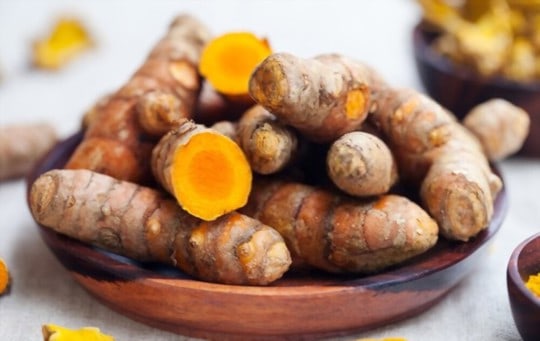
Turmeric is a ubiquitous spice used in Indian and Southeast Asian cuisine, with a subtle flavour and earthy aroma.
Fresh turmeric comes from the root of the turmeric plant, and it has become increasingly popular among health enthusiasts due to its potential health benefits.
The most significant difference between fresh turmeric and its powdered counterpart lies in their composition and nutritional value.
Fresh turmeric contains more water content than dried powder, which makes it less intense in flavour and colour; however, it also contains higher levels of curcumin, the active compound linked to reducing inflammation in the body.
Herb distinctions can matter in recipes - fresh dill vs dill weed comparison clarifies herb differences for substituting delicate flavors.
What is Turmeric Powder?

Turmeric powder is a bright yellow-orange spice derived from the turmeric root - consider turmeric substitutes for alternative spice options when fresh roots aren't available.
It is commonly used in Indian, Asian and Middle Eastern cuisine as well as traditional medicine practices.
The powder is made by drying and grinding fresh turmeric roots into a fine powder form.
This process removes excess moisture while retaining essential oils, which helps to prolong the shelf life of the spice.
Also, turmeric powder contains compounds such as curcumin that are known for their antioxidant and anti-inflammatory properties, making it an excellent addition to many dishes for both flavor and health benefits.
Overall, whether you use fresh turmeric or turmeric powder largely depends on personal preference or availability of ingredients.
Both forms work well in various types of dishes from savory recipes like curries and stews to sweet treats like smoothies or baking goods with subtle differences in taste between the two options.
Differences Between Fresh Turmeric and Turmeric Powder
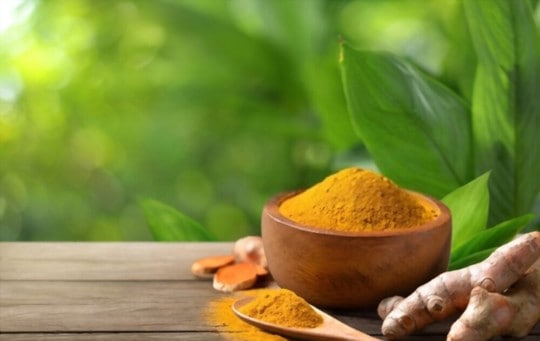
The disparity amid fresh turmeric and turmeric powder can influence the flavor, nutrition, as well as cooking time of a meal.
While both of them come from the same plant species, fresh turmeric contains more moisture and volatile oils than dried powder.
Also, the texture of each distinguishes it from the other.
Powdered turmeric is finely granulated while raw turmeric has more density and texture.
Different ingredient forms affect prep time and meal planning - Dinnerly vs Hello Fresh comparison on meal prep highlights how kit choices change cooking time.
Source and Processing
Obtaining turmeric requires a responsible and skillful process, whether extracting fresh turmeric or processing dry powder.
The source of fresh turmeric comes from the rhizome of the Curcuma longa plant, while powdered turmeric undergoes a careful drying and grinding method to convert it into a fine powder.
The difference between these two lies in their texture, potency, and usage in culinary or medicinal fields.
Understanding these variations aids in making relevant choices for your desired outcome.
Flavor and Aroma
Turmeric's aroma and flavor differ significantly based on its freshness and form - see extract vs flavor comparison explaining key differences.
The pungent, warm, earthy scent of fresh turmeric is distinct from the subtle, camphor-like aroma of ground turmeric.
When freshly grated or sliced, turmeric has a bright orange hue with a slightly floral note, while powdered turmeric is darker and more subdued in color.
The taste of fresh turmeric is less bitter than that of powdered turmeric but has more depth in general.
Color and Appearance
The appearance and color of fresh turmeric differs from that of its powdered counterpart.
Fresh turmeric has a bright orange-yellow hue on the outside, while the inside is a pale orange color.
In comparison, turmeric powder is a deep yellow to mustard color.
The fresh form also has a more pronounced aroma and flavor than the dried powder due to its higher concentration of essential oils.
Nutritional Content
Turmeric, a spice often used in cooking, is known for its potential health benefits.
Its nutritional content varies based on whether it is consumed in fresh turmeric form or powder form.
Fresh turmeric contains more moisture and fiber than its powdered counterpart, whereas the powdered version has a higher concentration of curcumin, the active compound responsible for many of turmeric's potential health benefits.
Also, fresh turmeric typically has a milder taste compared to its stronger-tasting powder form.
Understanding taste and texture helps with culinary swaps - nutritional yeast taste guide for flavor context can help when experimenting with savory substitutes.
Similarities Between Fresh Turmeric and Turmeric Powder

Both fresh turmeric and turmeric powder share many similarities in their respective nutritional value and health benefits.
Both forms of turmeric contain curcumin, which is a natural anti-inflammatory compound that helps to reduce inflammation in our body.
They are also used as medicinal herbs to treat various ailments like arthritis, stomach problems, Alzheimer's disease, and cancer.
Also, the taste and flavor of both forms are quite similar but not exactly the same.
Fresh turmeric and turmeric powder differ slightly in their appearance, texture, and usage.
Fresh turmeric has a bright orange color with a smooth skin surface that needs to be peeled before consumption.
On the other hand, turmeric powder is made by drying fresh turmeric roots then grinding them into fine powder.
Turmeric powder is more convenient to use compared to fresh turmeric as it requires no preparation time and can be used directly in cooking or as a supplement.
Note that the nutritional value of fresh turmeric may be slightly higher than its powdered counterpart.
This is because some nutrients may be lost during the drying and processing of the roots into powder form.
Nevertheless, both forms still possess significant nutritional content with many health benefits.
Similarities between formats can guide meal choices - Freshly vs Hello Fresh comparison for prepared meal options helps match convenience with nutrition.
Culinary Uses of Fresh Turmeric and Turmeric Powder
Turmeric is a versatile spice used in many cuisines globally.
Fresh turmeric and turmeric powder serve the same purpose in cooking, but they differ in taste, texture, and nutritional value.
While both can be used interchangeably in most recipes, it's necessary to understand their unique attributes.
Fresh turmeric is the root of the turmeric plant and has a more pungent flavor than its powdered counterpart.
It adds an earthy and bitter taste to dishes like curries, soups, and stews and gives a bright yellow color.
It's also rich in antioxidants, vitamins, and minerals making it an excellent addition to any diet.
On the other hand, turmeric powder is made from drying and grinding fresh turmeric roots.
Although it has less flavor intensity than fresh turmeric, it's still aromatic and distinct when added to cooking.
Powdered turmeric is convenient to use as a pinch or teaspoonful measurement works in most recipes.
The choice between fresh and dried ingredients changes texture in dishes - dried vs fresh mushrooms comparison on texture and use offers a similar look at trade-offs.
Storage and Shelf Life
Proper storage is important in maintaining the shelf life of both fresh turmeric and powder.
As a rule, store fresh turmeric in a cool, dry place away from sunlight.
It typically lasts up to three weeks when stored properly, and can be frozen for longer shelf life.
On the other hand, powdered turmeric should be stored in an airtight container away from moisture and light.
Properly stored, it can last up to two years.
Expired turmeric loses its flavor and potency over time.
Turmeric products sold in packaging often include a "best by" or expiration date label which provides an estimate of how long it can retain optimal quality before the expiration date advised by the manufacturers passes by.
The 'use-by" label specifies a deadline for refrigerated or perishable foods' use while its contents remain at their best quality; after that point, taste and flavor quality diminishes quickly as soon as it has been opened.
Similarly, "use-before" labels designate the recommended expiry date of food in unopened form before considering product degradation.
For best results with either fresh or powdered turmeric, be mindful of its shelf-life and store them accordingly to experience maximum flavor appeal.
Key Differences in Fresh and Powdered Turmeric
The distinction between fresh turmeric and powder has been analyzed.
While both forms have similar health and culinary benefits, each has unique characteristics.
Fresh turmeric has a distinct aroma and flavor that cannot be replicated using powder.
Turmeric in powdered form is the more popular option due to its ease of use and longer shelf life.
Fresh lime juice behaves differently than bottled juice in recipes. Fresh Lime Juice vs Bottled Lime Juice comparison on flavor impact shows what changes. Rubbed Sage vs Fresh Sage: which is better for cooking explains when to pick preserved herbs.
Frequently Asked Questions
Both are turmeric, yet they play by different rules. They share some similarities but each has qualities that make it better suited for certain recipes.
It depends on the dish. Fresh Turmeric and Powder share some overlap, but each shines in different preparations.
Swapping works best in forgiving recipes like soups or stews.
Pricing varies by brand and region, but one is typically more accessible at everyday price points. The other may cost more due to specialization or limited supply.
Is there a best time to use each one?
One shines in applications requiring subtlety and background support.
The other is better when it is meant to be a center.
Matching the right one to its role makes a noticeable difference.