
Summary of key points
The differences between fresh dill and dill weed center around their flavor, texture, and application in cooking. Fresh dill has a licorice-type flavor, akin to fennel and tarragon, and is best harvested before flowering for optimal taste.
Dill weed refers to the leaves of the plant, offering a lighter, slightly grassy and sweet flavor. In contrast, dry dill presents a stronger flavor due to its concentrated form.
Dried dill also has a significantly longer shelf life, making it a more convenient option for prolonged use.
For anyone looking to amp up the flavor of their dishes, herbs should be a go-to choice - and dill is one such herb that can add an exciting twist.
But with fresh dill and dill weed on offer, confusion over which ingredient to choose abounds.
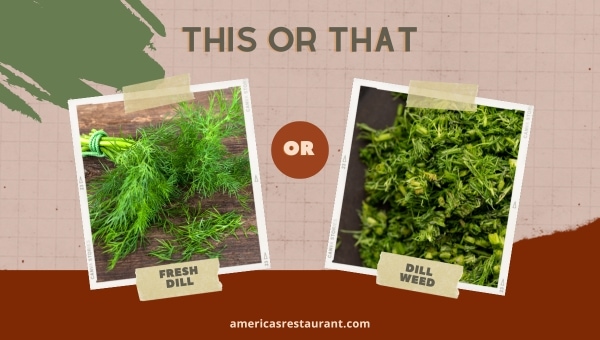
What is Dill?
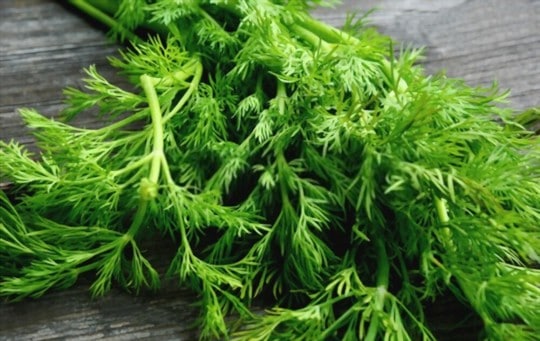
Dill is an incredibly versatile herb, belonging to the celery family and with gorgeous feathery leaves with yellow flowers.
It has a unique flavor that combines sweet grassiness with a subtle hint of anise - making it ideal for European and Mediterranean cuisine.
Both does dill offer delicious culinary benefits, but it also has many medicinal advantages too.
For flavor pairings with citrus, see lemon dessert pairings and ideas to explore compatible tastes.
Fresh Dill
The pleasant flavor of fresh dill made up of the leaves, stems, and flowers from this herbaceous plant are more delicate than its dried version.
The subtle taste that it brings to dishes such as potato salad, cucumber salad, or pickles has quickly established itself as a favored garnish for fish recipes too.
Keep in mind, though, that these fragrant herbs lose their flavorful essence when dry and thus must be used while still fresh.
Dill Weed
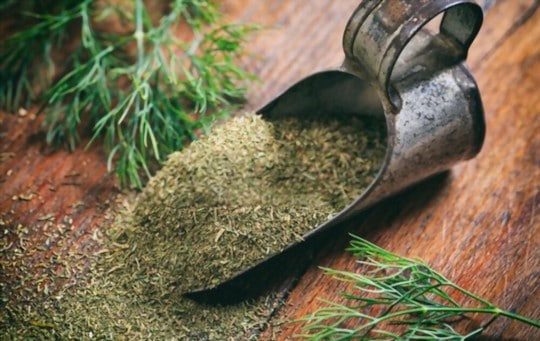
The intense flavor of dried dill weed provides a delicious addition to many dishes, such as soups, stews, sauces, and canning.
Commonly used in Scandinavian and Eastern European cuisines for its unmistakable zingy taste - it's no wonder why this herb is so popular.
For those who prefer an even stronger flavor than fresh dill offers - give Dill Weed a try today.
How to Use Fresh Dill and Dill Weed in Cooking
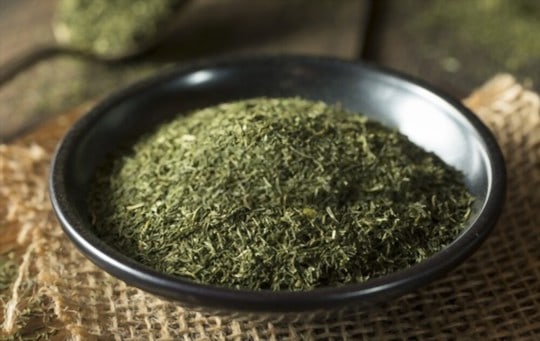
Unleash the bold flavor of fresh dill and dill weed in your cooking.
With countless delicious ways to incorporate these ingredients, you'll be amazed at how quickly they can add an extra burst of taste to any dish.
Here are some popular ideas for adding them to your recipes:
For convenience vs kit options, review Freshly vs Hello Fresh comparison for delivery meals to see which fits a cooking style.
- In Salads: Fresh dill is commonly used in potato salads, cucumber salads, and coleslaws. Dill weed can be added to green salads for a unique flavor.
- In Soups and Stews: Dill weed is commonly used in soups and stews to add flavor. It pairs well with potatoes, carrots, and beets.
- In Fish Dishes: Fresh dill is a popular garnish for fish dishes. Dill weed can also be used to flavor fish dishes like salmon and cod.
- In Pickling: Both fresh dill and dill weed are commonly used in pickling. They add a unique flavor to pickled vegetables like cucumbers and carrots.
What Is The Difference Between Dill And Dill Weed?
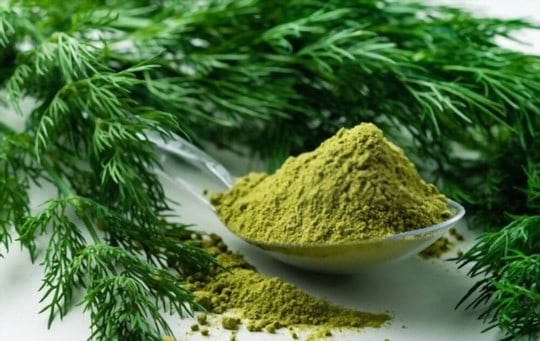
Despite fresh dill and dill weed being derived from the same plant, there are still minor distinctions between them.
The following categories outline how they differ:
For seed alternatives, consult dill seed substitutes and tips to find good replacements.
Source
Fresh dill is made up of the leaves, stems, and flowers of this herbaceous plant.
It's often sold pre-chopped in sealed containers or bunches in the produce section.
Dill weed is simply dried dill that has been harvested at its ripe peak before being ground down into smaller flakes.
#Flavor
Fresh dill provides a more subtle flavor than its dried counterpart - as it loses much of its flavorful essence when dry.
On the other hand, dill weed gives off an intense zingy taste that can be very powerful.
#Texture
Fresh dill possesses a soft texture with an abundant aromatic aroma, while dill weed offers a crunchier consistency due to its dehydrated state.
#Usage
Fresh dill is typically used in salads and as a garnish, while dill weed works best in dishes with longer cooking times, such as soups, stews, and sauces.
Can I Use Dill Weed Instead Of Fresh Dill?
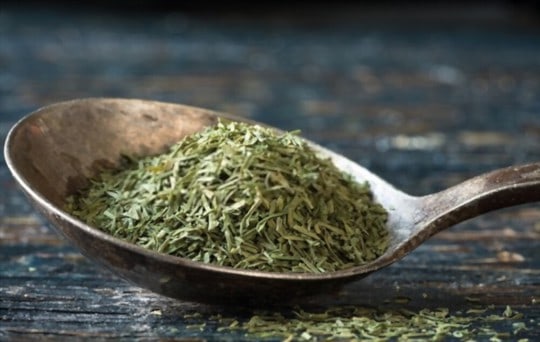
Yes, you can certainly use dill weed instead of fresh dill.
However, do keep in mind that its intense flavor should be used with caution as it can easily overpower other ingredients, especially in dishes where the herbs are added at the end or cooked for a short period of time.
For these recipes, opt for fresh dill instead.
For more substitution guidance, Dried vs Fresh Mushrooms comparison for swapping forms offers tips that apply to herbs as well.
How Much Dry Dill Weed Equals Fresh Dill?
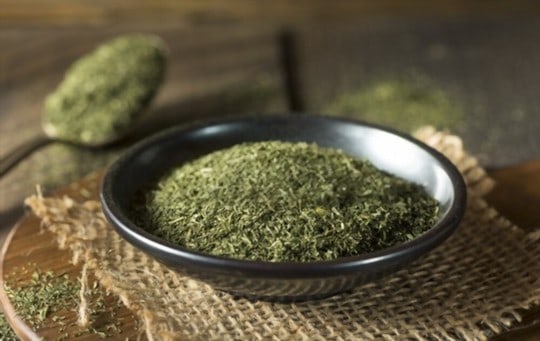
A general rule of thumb is that three teaspoons of fresh dill equal one teaspoon of dried dill weed.
This means that if a recipe calls for two tablespoons (or six teaspoons) of fresh dill, then it would require two teaspoons of dill weed instead.
Both forms bring unique aromas and flavors to recipes, fresh dill, and dill weed play different roles in cooking.
Be sure to take into consideration the source, flavor, texture, and usage of each when deciding which form best suits your dish.
With their bold taste and ease of use, these aromatic herbs provide a truly excellent cooking experience.
So why not give them both a try today? After all, a sprinkle of fresh dill or dill weed can take your dishes to the next level.
For another wet vs dry contrast, Wet vs Dry Cappuccino comparison for foam differences shows how form changes affect results.
Fresh Dill vs Dill Weed Flavor Comparison
Fresh Dill and Dill Weed are two different ingredients that offer distinct flavors to dishes.
Both can be used to add flavor to salads, soups, stews, fish dishes, and pickles.
When deciding which one to use in cooking - remember that fresh dill provides a milder taste while dill weed has a more intense flavor.
When substituting between the two, three teaspoons of fresh dill is equivalent to one teaspoon of dried dill weed.
Fresh lime versus bottled options are covered in fresh vs bottled lime juice comparison for flavor. rubbed vs fresh sage comparison for cooking explains when to pick each form.
Frequently Asked Questions
The differences between fresh dill and dill weed center around their flavor, texture, and application in cooking. They share some similarities but each has qualities that make it better suited for certain recipes.
It depends on the dish. Fresh Dill and Dill Weed share some overlap, but each shines in different preparations.
Swapping works best in forgiving recipes like soups or stews.
Pricing varies by brand and region, but one is typically more accessible at everyday price points. The other may cost more due to specialization or limited supply.
Is there a best time to use each one?
One shines in applications requiring subtlety and background support.
The other is better when it is meant to be a center.
Matching the right one to its role makes a noticeable difference.