
Tagines. They're not just pots. They're a gateway to a universe of flavors.
Bold flavor, meet bold choice. Glazed or unglazed? That's our dilemma.
Glazed tagines sparkle, promising an easy clean-up. A convenience beacon.
Then, there's the unglazed tagine. Raw.
Authentic. It whispers of traditional cooking secrets passed down through generations.
We tried both. Spoiler alert: there's no wrong choice, just different journeys.
The glazed tagine and I? We've had our battles.
Yet, it never judges my lazy dishwashing habits.
The unglazed friend? It's a bond.
Seasoning it, we became kitchen allies, sharing victories and sauces alike.
This isn't just about pots. It's about the paths we choose in our kitchen adventures.
We're dishing it all out.
What is a Tagine?

Tagine is a traditional North African cooking pot.
It has a cone-shaped lid that helps keep moisture and flavors while slow-cooking.
The lid's shape allows for even heat distribution, making meals tender and flavorful.
Steam rises and condenses on the lid's curved surface.
This creates a self-basting effect that keeps food moist and full of taste.
It's perfect for slow-cooked recipes like stews and braises.
Tagine can be aesthetically pleasing too.
They come in bright colors and detailed hand-painted patterns.
They can serve both as cookware and decorative pieces.
Glazed and unglazed tagines have different features.
Glazed ones have non-porous surfaces, which make them easier to clean and maintain.
Unglazed ones have porous clay surfaces, releasing moisture slowly during cooking.
This gives more intense flavors but requires special care when cleaning and seasoning.
Choose a tagine according to your preferences and cooking style.
Glazed ones offer convenience, while unglazed ones provide enhanced flavors.
Tagines can also gently poach citrus-based desserts, so pairing techniques with what goes with lemon in desserts - pairing ideas can inspire sweet applications.
Glazed Tagine: Features and Characteristics
Glazed tagines offer a special cooking experience.
The glaze on the tagine's interior and exterior adds to heat retention and distribution, resulting in cooked food with great flavor and texture.
The glaze also creates a non-stick surface, for easy food release and simple cleaning.
Plus, it protects the clay base, so no cross-contamination of flavors from prior meals.
Plus, they come in a variety of colors and patterns, improving any kitchen decor.
And, they are compatible with different heat sources, no special diffusers needed.
The thick walls and domed lid of glazed tagines provide excellent heat retention.
This enables even heat distribution, for slow and gentle cooking that preserves flavors and nutrients.
Glazed tagines are both functional and beautiful.
With their heat retention and non-stick properties, you can create flavorful dishes with minimal effort.
So why settle for ordinary when you can experience cooking with a glazed tagine?
The non-stick surface of a glazed tagine works well when finishing sticky glazes, similar to preparations for honey glazed salmon side dish ideas that balance sweet and savory.
Unglazed Tagine: Features and Characteristics

An unglazed tagine, otherwise known as a clay tagine, is an exclusive cooking vessel with characteristics like no other.
It's crafted from natural clay, which allows for even heat distribution when cooking.
Plus, it absorbs moisture from the food, resulting in tender and flavourful dishes.
The absence of a glaze allows flavours to penetrate the clay, creating rich and aromatic tastes.
In addition, the unglazed tagine has extra benefits.
Its rustic look adds some authenticity to the dining experience without taking away from its practicality.
Whether you're making stews or slow-cooking meats, this tagine provides a unique cooking experience through Moroccan cuisine.
Differences Between Glazed and Unglazed Tagine
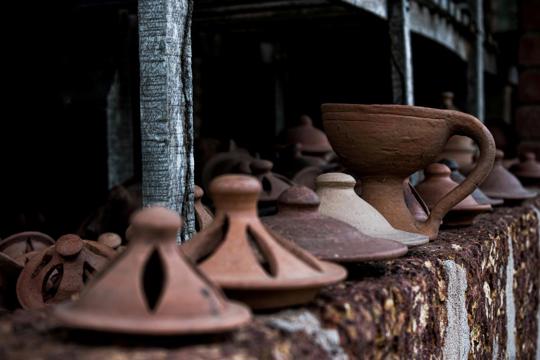
Glazed tagines are shiny and smooth.
This prevents food from sticking and makes them easier to clean.
Meanwhile, unglazed tagines have a porous surface.
This allows them to absorb and distribute heat better, which makes the dish more flavourful.
Also, unglazed tagines don't have glaze.
This means they can develop natural seasoning over time, making them even tastier.
Which one you choose is up to you and your cooking style.
Choice of glazed or unglazed tagine can influence which accompaniments pair best-see chicken tagine side dish suggestions for ideas that complement traditional flavors.
1 - Appearance and Aesthetic Appeal
Appearance and aesthetic appeal are important when choosing between glazed and unglazed tagines.
Glazed tagines give a glossy look, adding some sophistication to your table.
But unglazed tagines bring a rustic charm with their natural clay color.
Glazed tagines usually come in bright colors and detailed designs, making dishes more visually appealing.
And they offer an easy cleaning experience with their non-stick properties.
Unglazed tagines maintain the original clay color, giving a classic North African feel.
Plus, their porous nature helps keep meals tender and flavorful.
Glazed tagines may look better, but they can chip or crack.
On the other hand, unglazed tagines are strong and can handle high temperatures without any damage.
It comes down to personal preference and the atmosphere you want to create.
Glazed tagines offer modern looks with easy cleaning.
Unglazed tagines capture traditional North African cooking with authentic appearances and superior heat retention.
2 - Heat Retention and Distribution
Heat retention & distribution are key when choosing between glazed & unglazed tagines.
Glazed tagines have a smooth, shiny surface.
This protective layer helps retain heat, making sure even distribution throughout cooking.
Unglazed tagines have a porous clay material.
This allows for moisture evaporation & enhanced flavor.
Clay also helps slow cook & heat gradually, resulting in tender dishes.
So, the choice between glazed & unglazed tagines is up to individual preference & desired culinary outcomes.
3 - Cooking Techniques and Recipes
Cooking techniques and recipes are key for tagine preparation.
Your choice of glazed or unglazed tagine affects the cooking process and taste.
Glazed tagine is best for beginners - no seasoning or preheating needed.
Whereas, unglazed tagine should be seasoned before use - it helps prevent cracking and adds flavor.
Both glazed and unglazed tagines can be used on stovetops or in ovens.
Slow-cooking is a popular method for tender, flavorful results.
It's important to use recipes that explain the tagine type you're using - that way, you'll get a delicious outcome.
When selecting cooking liquids for slow-simmered tagines, consider the difference between white cooking wine vs white wine vinegar comparison to match acidity and flavor with the recipe.
4 - Maintenance and Care
For your tagine to last and perform well, it needs proper care.
Regular upkeep is key to keeping it in good shape, so you can keep making yummy meals with this traditional clay pot.
First step to caring for your tagine is seasoning it before first use.
Soak the lid and base in water for a few hours, then rub a thin layer of veg oil on it to avoid it cracking during cooking.
It's now ready to use.
After each use, wash it with warm water and a soft sponge/cloth.
No abrasive cleaners or scrub brushes - they can damage the clay surface.
Glazed tagines are easier to clean than unglazed ones due to smoothness.
Dry it completely before placing the lid back on.
Else, moisture can lead to mold or cracks.
Also, don't stack heavy things on it - it can break.
For long-term storage, wrap it in breathable cloth or put it in a protective bag.
This will prevent dust build-up and keep it fresh till next use.
Handle your tagine with care when placing it on stovetops/open flames.
Sudden temperature changes can cause thermal shock and crack the clay.
Gradually heat it over low heat, then increase the temp.
By following these tips, you can keep your tagine in top condition for many years.
Enjoy scrumptious Moroccan dishes with family and friends.
Similarities Between Glazed and Unglazed Tagine

Glazed and unglazed tagines share many features.
Both are made of clay, which helps the heat to stay even and hold in moisture.
This makes a tasty, aromatic Moroccan dish with a tender texture.
They have a conical shape too.
This helps the steam rise and slowly cook the food.
It also helps to keep in flavors, making juicy meals.
The same cooking process is used for both types.
A low flame is used to simmer the ingredients together.
This gentle technique helps the food become tender and cooked right.
The difference is in the finish.
Glazed tagines have a smooth, shiny look that makes them easier to clean.
The glaze also protects from stains and odors.
Unglazed tagines are porous and absorb flavors.
This can add to the taste.
But it also means seasoning must be done before each use, to avoid flavors transferring.
Because both styles produce tender, aromatic results, consult tagine side dish ideas for complementary salads, grains, and breads that suit either pot.
Benefits of Glazed vs Unglazed Tagine Pots
From the origins of glazed and unglazed tagine in Morocco, to the various recipes that can be made with either variation, it is clear to see that they offer delicious flavors and textures that will make any meal a memorable one.
Whether you're interested in planning an exotic Moroccan feast or adding some flare to your everyday cooking, these two ceramic cookers provide endless possibilities for spice-infused dishes.
Make sure to take the time to research which variety best suits your culinary needs before purchasing, as their difference can drastically impact the outcome of your meal.
With either option though, it's guaranteed you'll find something amazing and delicious.
Frequently Asked Questions
It has a cone-shaped lid that helps keep moisture and flavors while slow-cooking. They share some similarities but each has qualities that make it better suited for certain recipes.
They can stand in for each other in a pinch. Glazed and Unglazed Tagine overlap in some uses, but the flavor or texture will shift.
Adjust quantities to taste.
Shelf life differs based on processing and packaging. One often keeps longer unopened, while the other may need refrigeration or faster use after opening.
Which one is more forgiving in recipes?
One tends to perform more consistently across a range of cooking methods, making it the safer choice when experimenting.
The other delivers stronger results in specific applications.
For side dish inspiration that pairs with either tagine style, tagine side dish ideas lists versatile accompaniments. For protein-focused menus, chicken tagine side dish suggestions highlights complementary salads and grains.