
Gnudi and gnocchi might sound like the names of quirky cartoon characters. They're not.
We're talking serious pasta business here.
Did you know gnudi are like gnocchi's lighter, fluffier cousins? That's right.
They both come from Italy but they're not the same dish.
Yet, here we are, ready to break it down for you. We promise, by the end of this, you'll be the one giving out the stares.
Knowledge is power, folks.

What are Gnudi?
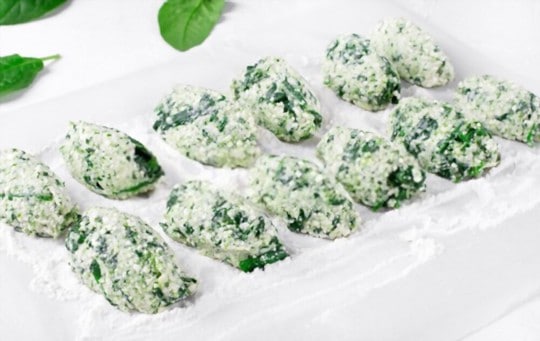
Gnudi are a traditional Italian dish made from spinach, ricotta cheese and flour.
These dumplings are similar to gnocchi, but unlike gnocchi, they do not contain potatoes.
Gnudi translates literally to "naked" in Tuscan dialect and is thought to refer to the dish's lack of pasta wrapping.
Unlike their potato-based counterpart, gnocchi, which is usually denser and heavier, gnudi have a light and delicate texture that pairs well with rich sauces.
Popular variations of the dish include using different types of cheese such as parmesan or pecorino romano.
Overall, Gnudi may seem similar to Gnocchi but differ in both taste and texture due to their ingredient differences.
Both dishes are well-loved Italian staples that have gained popularity worldwide.
Because gnudi have a light, creamy texture, pairing with citrus finishes works well - see lemon dessert pairings and flavor matches for ideas.
What are Gnocchi?
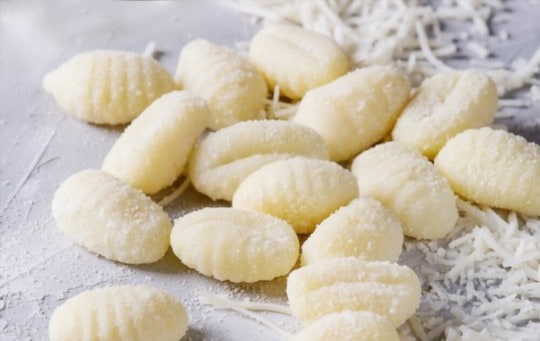
Gnocchi, a traditional Italian dish, are small dumplings made from potatoes or semolina flour.
The word "gnocchi" comes from the Italian word for nodules, which refers to their small size and shape.
These gnocchi can be enjoyed as a main course or as a side dish.
- Gnocchi are typically made using cooked potatoes that are mashed and mixed with flour to create a dough.
- They can also be made using semolina flour, which is mixed with water and then boiled to form the gnocchi.
- Gnocchi can be served with a variety of sauces, such as tomato sauce or pesto.
- They are often shaped by hand into small ovals or balls to give them a unique texture and taste.
- Traditionally, gnocchi are eaten on Thursdays in Italy and serve as an alternative to meat-based dishes.
Interestingly, gnocchi has many regional variations across Italy.
For example, potato-based gnocchi is more popular in northern regions like Lombardy and Piedmont while southern regions prefer semolina versions called "gatto".
Regardless of the variation, gnocchi remains a staple in Italian cuisine and is enjoyed worldwide.
For unexpected but complementary sides, explore what to eat with guacamole combo ideas to inspire creative pairings.
Differences Between Gnudi and Gnocchi

Gnudi and gnocchi are both Italian dumplings, but what sets them apart? While similar in appearance, their differences lie in their ingredients.
Gnudi is primarily made with ricotta cheese and spinach, while gnocchi is made from potatoes and flour.
In addition to the variation in ingredients, they also have different textures.
Gnudi is soft and delicate while gnocchi flavor profile and taste is denser and chewier.
Due to the potato content in gnocchi, it also has a more significant amount of starch.
Finally, both dishes generally require different cooking techniques.
Gnudi can be boiled or sautéed, while gnocchi is typically boiled before being finished off in a pan for added texture and flavor.
So while similar at first glance, the differences between these two beloved Italian dumplings are apparent upon closer inspection.
From ingredients to texture and cooking techniques, it's all about understanding the nuances that make each dish unique.
Origin and Regional Variations
This section explores the etymology and geographical variations of gnudi and gnocchi.
The former originated in Tuscany, while the latter has its roots in Northern Italy.
Gnudi balls are made using ricotta cheese and a small amount of flour, while potato gnocchi dough uses mostly potatoes with flour added in.
Both dishes are versatile and can be served with a variety of sauces, meats, or vegetables.
Ingredients Used
The different types of ingredients used to make gnudi and gnocchi can impact the texture, flavor, and overall experience of each dish.
While both use similar ingredients such as flour, eggs, and cheese, gnudi primarily uses ricotta cheese while gnocchi uses potatoes.
Also, varying spices and sauces can be used for added flavor.
Texture and Appearance
The characteristics of gnudi and gnocchi differ significantly, especially in terms of their texture and appearance.
While gnudi has a comparatively smoother texture due to its cheese content, gnocchi has a firmer texture because it is made with potatoes.
The shape of both dishes looks similar, but gnudi is entirely round and smooth while gnocchi has ridges along its surface.
These features impact the mouthfeel of the dishes.
For techniques that create a very smooth mouthfeel, see vegan hummus recipes for creamy texture for transferable tips.
Cooking Methods
Cooking these dishes requires different techniques and methods to achieve the desired results.
Each dish has its own unique characteristics that require specific preparation for optimal outcomes.
Both require boiling in salted water but with different cooking times.
Gnudi has a shorter cooking time of about 2-3 minutes while gnocchi takes about 4-5 minutes.
The key is not to overcook them as it can result in a mushy texture and loss of flavor.
Also, pan-frying or sautéing gnocchi is possible while it is not recommended for gnudi due to its soft texture.
It's essential to follow the recipe instructions and have patience when cooking these dishes as they are delicate and require attention to detail for successful results.
For subtle acidity in finishing sauces, consider how white cooking wine vs white wine vinegar comparison affects flavor.
Similarities Between Gnudi and Gnocchi

Gnudi and gnocchi have several similarities, despite being different types of pasta.
Both pasta varieties are made with ricotta cheese and flour and can be served in similar sauces - side dish ideas for serving gnudi show complementary options.
This similarity is due to their shared heritage as traditional Italian dishes.
Another similarity between gnudi and gnocchi is their texture.
Both pastas are soft, delicate, and light in texture.
This lightness arises from the use of flour to hold the cheese together rather than depending on other starches like potatoes.
While both have similar bases, there are notable differences.
For one, gnocchi often has a denser texture compared to gnudi as it contains potato compared to ricotta cheese in the latter dish.
The dough for gnocchi may also contain egg yolks or semolina flour while that of gnudi does not.
Serving and Pairing Differences
The dishes gnudi and gnocchi differ in their serving styles and pairings.
While gnocchi is typically paired with heavier sauces like tomato or ragu, gnudi is best served with lighter, delicate sauces such as brown butter and sage.
Gnocchi can also be a main dish, while gnudi is often served as an appetizer.
Also, gnocchi can be baked or fried for added texture, while gnudi is traditionally poached.
These subtle differences make each dish unique in its own way.
Popular Varieties of Gnudi and Gnocchi
Discovering the fascinating world of Italian cuisine, it is easy to misunderstand the differences between gnudi and gnocchi.
While both are pasta (of sorts) dishes, they differ in several ways.
Gnudi are ricotta cheese dumplings, made from a similar dough to gnocchi but with little or no flour added, which makes them fluffier and lighter than gnocchi.
On the other hand, Gnocchi is small dumplings made from potato, semolina flour or wheat flour kneaded with eggs and boiled in water or broth until tender.
There are many variations of both these dishes that reflect the diverse culinary traditions of Italy's twenty regions, and gorgonzola gnocchi side suggestions highlight popular pairings.
Popular types of gnudi include spinach and pumpkin gnudi, while popular variants of gnocchi include Gnocchetti Sardi alla Campidanese (Sardinian small gnocchi cooked in a meaty tomato sauce) and Gnocchi di Castagne (chestnut-flour-based gnocchi served with melted butter and shaved Parmigiano Reggiano).
Both dishes can also be pan-fried or sautéed with sauces like ragù alla bolognese or carbonara.
Interestingly, despite their origins in regional cooking traditions across Italy where they were historically consumed as peasant food fare, both gnudi and gnocchi have enjoyed an lasting popularity in modern fine dining circles around the globe.
They continue to delight gourmands who appreciate simple yet rich food pleasures that owe more to technique than to complicated recipes.
Key Takeaways on Gnudi and Gnocchi Differences
The unique characteristics of gnudi and gnocchi make them distinct in the cooking world.
While both are made from dough, there are differences in texture, flavor and shape.
Gnudi is smooth and creamy due to the ricotta cheese while gnocchi is denser with a chewy texture thanks to the use of potatoes or semolina flour.
Gnudi is typically served with butter or tomato sauce while gnocchi pairs well with pesto or cream-based sauces.
pesto gnocchi side dishes lists common accompaniments that complement herb-forward sauces. chicken gnocchi soup side dishes outlines heartier options suited to soup-based meals.
Frequently Asked Questions
Did you know gnudi are like gnocchi's lighter, fluffier cousins? They share some similarities but each has qualities that make it better suited for certain recipes.
In many recipes, yes. Gnudi and Gnocchi fill similar roles, though each brings its own character.
Try a small test batch before committing to a full swap.
Availability varies by region. One is usually a standard grocery store item while the other may require a specialty or international market depending on where you live.
Can a beginner tell the difference by taste?
In a side-by-side tasting, yes.
The difference becomes less obvious when mixed into a recipe with other ingredients.
Most people notice the distinction more clearly on its own.