
The grass is the source of energy for animals like cows, but is it nutritious for humans too? The answer may vary, but some of our ancestors survived with this plant.
Now, the question is- what does grass taste like? Before we answer this, note that grass has many variants consisting of 12,000 species.
The taste of grass varies depending on the type you're having.
While a handful of them are toxic, but most are edible.
However, humans can only have a few grass types because of our single digestive system.
Want to know more?
What is Grass?
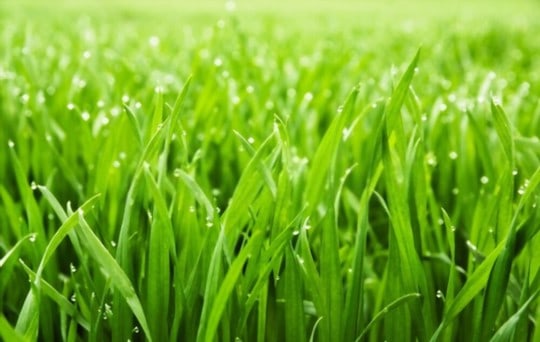
According to Wikipedia, grass is described as a plant covering the base of the ground with narrow leaves.
It gets water from beneath the ground and is mainly green in color.
Most of the grasses have short height, but bamboo can grow quite tall.
Different species of grass are available all over the world.
Herbivore animals like cows, goats, deer, and more depend on the grass to survive.
Humans mostly plant lawn grass around their houses or on the sports field.
Unlike cows or goats, we only eat part of the grass.
For instance, cereal is a popular grass type that includes rice, oats, millets, corn, and more.
Sugarcane also belongs to a grass family, and we use part of it to produce sugar.
For ideas on flavors that pair with sugar in desserts, consider lemon dessert pairings and flavor matches.
What Does Grass Taste Like?

As mentioned earlier, the taste of grass will vary depending on the type or species.
For example, sugarcane is a type of grass, and we all know what it tastes like - for a contrasting plant flavor, see acai berry flavor revealed.
It is sweet, chewy, and juicy.
Hence, there is no definitive answer to what grass tastes like.
Also, humans only eat a part of the grass, mostly the seed, and rarely eat the leaf or stem.
Grass consumed by cows and buffalos is difficult for human consumption mainly because of two reasons-the first is the human digestive system.
Grass consists of lignin, which is a woody protein that is difficult to break down by our stomach.
In contrast, herbivore animals like cows have four chambers in their stomach to help break down the protein.
This process is also called rumination, which helps in the digestion process.
Secondly, humans' teeth cannot handle the grass as it contains silica, which is relatively coarse and wears down the teeth.
It's not an issue for grazing animals, but the teeth will weary soon for us.
- The nutritional content of grass.
Regular grass has a high amount of fiber and nutrition, which is suitable for livestock animals.
But for humans, it contains high cellulose, making it difficult to consume.
Can You Eat Grass to Survive?
Yes, you can eat grass to survive, but it may not offer sufficient nutrition that our body requires.
Regular grass contains fiber and nutrients that are good for livestock animals, but for humans, it requires more.
And as mentioned earlier, our digestive system finds it difficult to break down the woody protein found in grass.
One can switch to different grass species that offer more nutrients and are easily digestible.
Also, grass seeds like rice and millets have more nutritional value.
Here are some of the grass types with good nutritional value and fit for human consumption:
- Barley grass.
The shoots of the barley plant are called barley green or barley grass.
It's a rich source of dietary fiber, vitamins, calcium, and antioxidants.
Most people use the shoots to make smoothies or have it as juice.
It offers multiple health benefits, including lowering cholesterol levels and improving digestion.
- Nutgrass.
Instead of harvesting, this grass is often removed.
Nutgrass is also known as sedge grass and is referred to as worst weed in the world.
Regardless, it has high nutrients offering multiple health benefits, including curing stomach aches.
The tuber is the most popular part of this grass, which has a flavor like almond.
Depending on the nut type, the taste may also vary.
For instance, purple nutgrass has a menthol flavor.
- Wheatgrass.
Wheat is one of the versatile grass plants grown throughout the world.
Fully grown plants are used to produce semolina, beer, and more.
Young shoots of this plant are called wheatgrass, and it's a rich source of vitamins, antioxidants, and minerals.
You can use it to make juices or smoothies.
If planning a hearty meal after foraging, classic roasted poultry accompaniments work well - see best side dishes for beer can chicken for inspiration.
Final Thought
The grass is a plant consisting of various species.
While most of these species are edible, few of them are toxic.
One can have regular grass to survive but should ensure it's pesticide-free.
However, it's not recommended for your daily diet as it can be pretty difficult to digest and weary your teeth.
You can switch to other grass types like wheatgrass and barley grass, which offer more nutritional value and are easily digestible.
For a contrasting plant profile, see acai berry flavor revealed. For hearty meal accompaniments that suit rustic proteins, try best side dishes for beer can chicken.
Frequently Asked Questions
The grass is the source of energy for animals like cows, but is it nutritious for humans too? Now, the question is- what does grass taste like?
The taste of grass varies depending on the type you're having.
Freshness matters. Grass Really tends to have a brighter, more pronounced taste when fresh.
Stored or aged versions may develop mellower or slightly different flavor notes.
Significantly. Younger or less ripe versions are often sharper, more astringent, or more bitter.
As it matures, flavors typically mellow and deepen into something more complex and approachable.
Texture and taste are inseparable. A pleasant texture encourages slower eating and better flavor perception.
Off-putting textures - too mushy, too fibrous, or unexpectedly gritty - can make even good flavors less enjoyable.