
Dragon fruit is available in a variety of hues, with pink being the most popular.
Are you familiar with tried the yellow variety? It is beloved among those who frequently prepare fruit salads and is recognized as the yellow pitahaya.
It is a delicious and interesting fruit with a rich taste and look.
In today's article, we'll be talking about the yellow dragon fruit.
By dissecting the reason why this fruit and its flavors are liked by many individuals, we'll find out answers to questions like, "what does yellow dragon fruit taste like?"
Let's begin by giving this fruit a quick introduction before we continue.
What is Yellow Dragon Fruit?
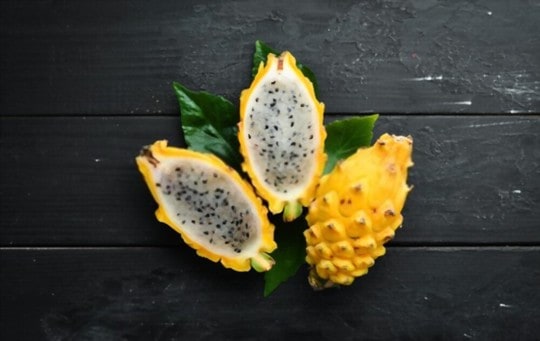
The tropical plant known as the Yellow Dragon Fruit is native to the American continent, notably the Central and Southern zones.
The fruit plant emerges and develops on a certain species of cacti, and it typically possesses hues of white, red, or yellow.
Here, we are referring to the yellow variety.
Compared to red dragon fruit, it is a lesser prevalent variety of dragon fruit in North American locations.
Nevertheless, it mimics it in a number of aspects, including the taste, the inside, and even the outside.
Skin that is yellow is present rather than brilliant pink.
All species of dragon fruit have the same tiny dark particles and white or pink flesh.
Hylocereus megalanthus is the name of the cactus species that Dragon fruit grows on.
It takes more than 3 years for these plants to mature and start producing Dragon fruits.
Once ripened, the fruit is often diced into small pieces and consumed raw.
For a similarly mild, sunny flavor profile in a completely different ingredient, consider yellow squash taste guide for versatility.
Unique Flavors of Yellow Dragon Fruit
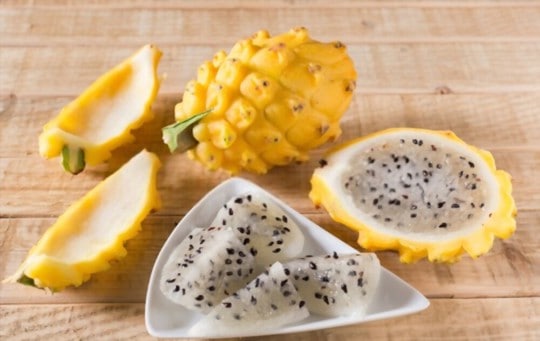
The yellow dragon fruit is quite an exotic fruit with a gently unique flavor.
If you desire something acidified but sweet, finely chopped dragon fruit is a great choice.
A bowl of dragon fruit has a sleek, pinkish flavour profile and is quite juicy.
Many people have said, yellow dragon fruit resembles a marriage between a tart strawberry and a pleasant, juicy kiwi.
Some people, on the other hand, relish the contrasting flavor of dragon fruit that is familiarized to that of a berry.
This is due to the taste palette being only naturally sweet and lightly flavorful.
No discernible flavor difference exists between Yellow and Pink dragon fruits, as much as we would like to.
Both have similar components and advantageous health effects.
But since it won't taste as nice when it's unripe, you should avoid eating it then.
Each cup of yellow dragon fruit has 60 calories and 15 g of sugar.
It has been proven to be a good source of minerals including calcium and phosphorus as well as vitamins C and B.
Also, you can spot antioxidant activity, which is very beneficial in preventing cell damage.
The advantages of this fruit go beyond just its taste.
It also provides several benefits for your health.
Boosting immunity, weight loss aid, improving digestional health, and so on are included in its collection of benefits.
The Yellow Dragon fruit variety is said to contain more nutritional elements that help in aiding health.
If the fruit's sunny sweetness appeals, similar bright melon notes appear in golden watermelon taste notes.
How to Serve Yellow Dragon Fruit?
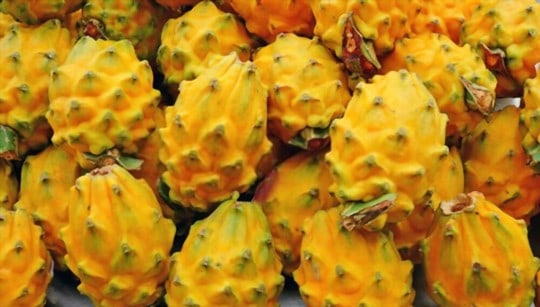
Dragon fruits, all varieties, can be found during their ripening seasons in the months of June toward the end of August.
But in most grocery stores, you will find that it's available all year round.
So, you can easily pick a Dragon fruit for your next experimental dish of the week - see dragon fruit taste guide for serving ideas.
These fruits have thick edible flesh but are usually taken out and not eaten due to their bitter tastelessness.
However, the insides can be consumed however you want.
Mostly eaten raw, they can, on the other hand, be cooked and eaten.
You simply make a few cuts by halving the fruit and scooping out the flesh with a knife or spoon.
Yellow dragon fruit can be incorporated into cooked meals or any salad you'd like.
You can toss them into a salad bowl, add them to a smoothie, make some ice cream or juice out of them, and so on.
They make for a great treat when having them for dessert.
It can even be used as a topper for different baked items.
You don't need to worry about consuming these on a daily basis because they are a valuable source of vitamins, antioxidants, & fiber.
Due to its numerous beneficial properties, it actually makes a terrific and wholesome supplement to your usual diet.
Serving Ideas for Yellow Dragon Fruit
This tropical fruit and its flavor have made it super popular in the North American regions.
With its easy availability, the Yellow Dragon fruit is usually eaten for breakfast or snacks.
As exotic as they appear, they cause no harm to consumers.
In fact, we have discussed the various health benefits that it provides.
It's a great fruit with smooth flavors.
Many prefer the taste and texture of the Yellow Dragon fruit as compared to the pink one.
May this article help you decide on which variety you'd be well suited to.
Jujube brings a sweet-apple note to snacks. jujube fruit taste guide outlines its texture and uses. Lychee offers floral, perfumed sweetness; lychee fruit taste guide explains when to use it in desserts and drinks.
Frequently Asked Questions
It is a delicious and interesting fruit with a rich taste and look. Nevertheless, it mimics it in a number of aspects, including the taste, the inside, and even the outside.
The yellow dragon fruit is quite an exotic fruit with a gently unique flavor.
Freshness matters. Yellow Dragon Fruit tends to have a brighter, more pronounced taste when fresh.
Stored or aged versions may develop mellower or slightly different flavor notes.
Significantly. Younger or less ripe versions are often sharper, more astringent, or more bitter.
As it matures, flavors typically mellow and deepen into something more complex and approachable.
Texture and taste are inseparable. A pleasant texture encourages slower eating and better flavor perception.
Off-putting textures - too mushy, too fibrous, or unexpectedly gritty - can make even good flavors less enjoyable.