
Jujube fruit; when dried, it looks like a date, and when fresh, it looks like mini apples.
But what about its flavor? What does jujube fruit taste like exactly?
We'll tell you all about it in this write-up.
But for those of you who haven't tried jujube fruit before, you're in for a treat.
This fruit is so versatile that you can eat it fresh, dried, or even cook with it.
So, let's take the plunge and find out everything there is to know about jujube fruit and its taste.
What is Jujube Fruit?
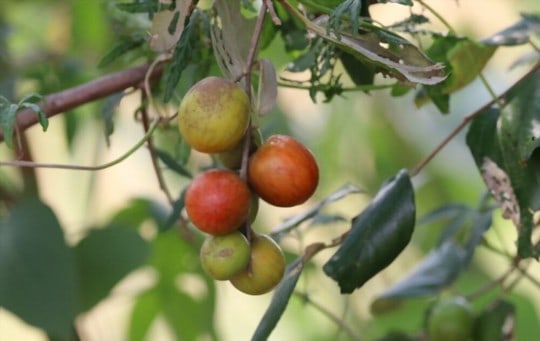
Native to Southern Asia, jujube fruit is extremely popular in Asian cuisine and Chinese medicine.
These fruits belong to the Rhamnaceae family and are botanically classified as Ziziphus jujuba.
Jujube fruit is also known by a few other names, such as Chinese date, red date, jujuba, or Chinese jujube.
There are more than 40 varieties of this fruit.
Some of the most popular ones include Chico jujube, Contorted jujube, GA 866 jujube, Honey Jar Jujube, Lang Jujube, and the list goes on.
The appearance and flavor of jujube fruit vary depending on the variety.
But in general, this fruit is small and round with a shiny red or brown exterior.
If using jujube in desserts, consider how it interacts with citrus; lemon dessert pairing ideas lists nine complementary options.
What Does Jujube Fruit Taste Like?
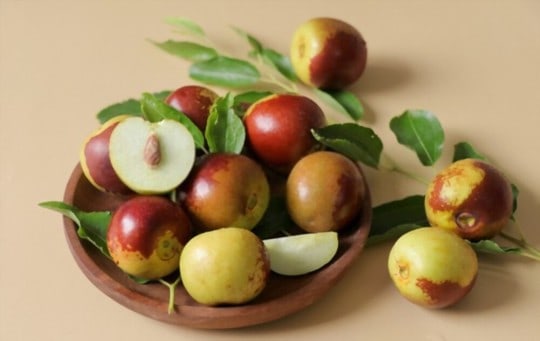
Even if you've never tasted this fruit before, jujube has been around for over 3000 years.
And today, it's enjoyed all over the world for its unique flavor.
Generally, the fruit is available year-round, depending on where you're from.
However, if you want to eat the juiciest and tastiest jujube fruits, then you'll have to wait until fall.
As for the flavor, most people say that jujube tastes like a cross between an apple and a date - for a contrasting citrus profile, see pomelo taste guide for comparison.
Also, as said earlier, the exact taste may vary depending on the variety.
For instance, the Chico jujube is said to have a sweeter flavor, while the Lang jujube is less juicy.
On the other hand, Contorted jujube is celebrated for its sweet and tangy taste.
Besides, the flavor of jujube also depends on its growing stage.
Unripe, green jujube tends to taste more like apples.
Its texture also resembles that of an apple, being crisp and slightly sour.
On the other hand, ripe jujube becomes softer and turns red or brown.
The taste also becomes much sweeter and juicier.
As for dried jujube fruits, they taste like dates and have a chewy texture.
Apart from its deliciousness, jujube is also known for its nutritional value.
This fruit is packed with vitamins, minerals, antioxidants, and other essential nutrients.
On top of that, it is super low in calories, perfect for those watching their weight.
Thanks to its high nutritional content, jujube fruits can help you with a wide range of health conditions like cell damage, constipation, and poor immune system.
Besides, jujube is also known to help improve sleep, improve blood sugar levels, and lower cholesterol.
How to Cook and Use Jujube Fruit?
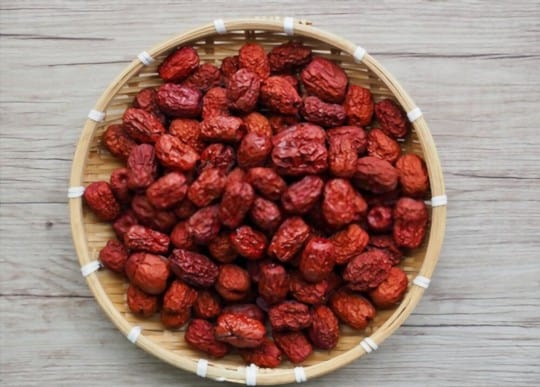
Jujube fruit is best enjoyed raw and fresh.
Whether ripe or unripe, you can eat it as it is.
Simply wash the fruit, cut it into small pieces, and enjoy.
You'll find a small pit inside the fruit, which you'll have to remove before eating.
If you can't find fresh jujube, you can also opt for dried ones.
These can be easily found in Asian supermarkets or online stores.
Dried jujube can be used in a variety of recipes like soups, porridges, snacks, desserts, and more.
You can even add them to your smoothies or oatmeal for a tasty and healthy treat.
Jujube fruits can also be candied or made into jams and jellies.
These make for delicious and unique spreads you can enjoy on toast or crackers.
Candied jujube is also a popular topping for ice cream and yogurt.
If you want to try something different, then you should definitely give it a go.
Jujube tea is another popular way to enjoy this fruit.
To make this tea, you only need some dried jujube fruits and hot water.
For additional flavor, you can add other ingredients like ginger, honey, or lemon.
This tea is not only delicious but also super healthy.
For quick sides that pair well with jujube-based snacks or spreads, try 22 veggie sides that cook quickly.
Final Thought
Jujube fruits are not only delicious but also packed with nutrients that offer many health benefits.
So, if you haven't tried this fruit yet, then be sure to add it to your next shopping list.
They are small in size, but jujube fruits are definitely big on flavor and health benefits.
They're the perfect fruit snack for those looking for something sweet and healthy.
Once you bring home your red dates, make sure to store them in a cool and dry place.
You can keep them in the fridge if you want them to last longer.
For more exotic flavor comparisons, see dragon fruit taste guide with notes and lychee fruit taste breakdown.
Frequently Asked Questions
But what about its flavor? So, let's take the plunge and find out everything there is to know about jujube fruit and its taste.
The appearance and flavor of jujube fruit vary depending on the variety.
The texture of Jujube Fruit depends on how it is prepared. Raw, cooked, and processed forms each offer a distinct mouthfeel that changes the overall eating experience.
Is there a strong smell that comes with the taste?
Aroma and taste are closely linked.
A strong smell usually signals an equally bold flavor.
If the smell is mild, expect a subtler taste that becomes more apparent with seasoning.
Depends on the ingredient. Some improve dramatically with heat, developing sweetness or losing bitterness.
Others are best raw, where cooking dulls the brightness that makes them worth trying.