
If you have, then relax.
You're just as normal as any curious foodie.
By the word curry, people assume that any curry would taste the same.
However, that is completely wrong.
Japanese curry has its unique flavors, while Indian curry has its own flavors.
Some of the spices people use in making curries might be the same; however, the rest of the ingredients, plus the cooking procedure, is different, which results in a totally different style of curries.
If you're curious to know what Japanese curry tastes like, read the article's end to find out all.
What is Japanese Curry?
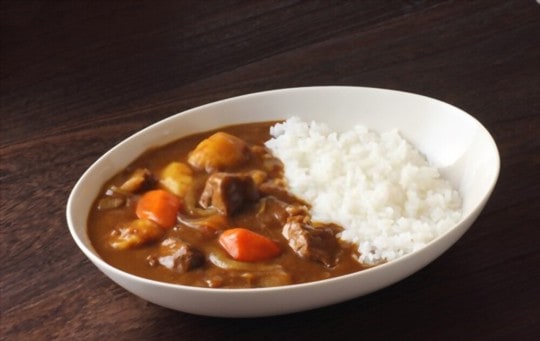
Japanese curry is a type of stew cooked using beef typically and vegetables of your choice, along with spices and curry powder which is one of the most critical parts of cooking Japanese curry.
You can always use the protein of your choice, as it doesn't always have to be beef.
You can use the flesh part of pork, chicken, lamb, etc.
The traditional way to cook this curry is to use onions, potatoes, carrots, and beef.
If you don't have carrots, you can always use other vegetables such as beans, celery, etc.
Some people even use pear or apple to balance the spiciness of the curry and make it sweet.
But that is totally up to your palate.
For a dessert-side contrast, a Japanese pudding vs flan comparison outlines how textures and sweetness differ in Japanese sweets.
Japanese Curry Flavor Characteristics
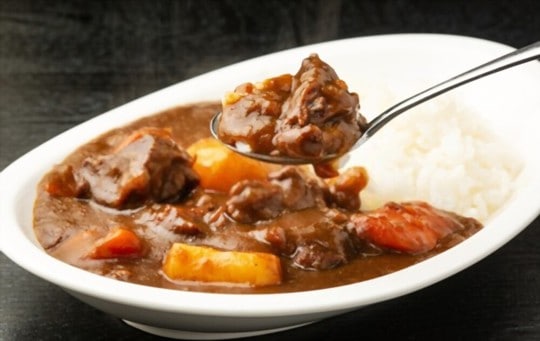
Japanese curry tastes flavorful with more hints of sweetness and savory.
The curry is prepared using proteins such as beef, chicken, and even pork and cooked with vegetables and curry powder.
Honey or grated apple or pear is used to sweeten the dish and balance the spiciness of the curry powder.
Japanese curry tastes more like that umami because of the use of protein and the savory flavor it produces.
You will not taste any gaminess from the dish since the meat is supposed to be well-cooked and soaked with all the flavors from the ingredients.
Some people compare Japanese curry to that Indian curry because of the use of curry powder - see curry taste guide for comparison to understand the differences.
However, what one needs to know is that Japanese curry is more on the sweeter side while Indian curry is more on the spicy side.
If you have a taste for sweet dishes, then you'll definitely love Japanese curry.
It has all the good ingredients and can be served with several side dishes.
How to Cook and Serve Japanese Curry?

If there's a Japanese restaurant in your place, then they might serve Japanese curry.
However, if they don't, or your place doesn't have a Japanese restaurant, then don't , my friend.
You can cook it at home and enjoy it with your family.
You will find many recipes on how to cook Japanese curry using simple ingredients.
Choose the recipe according to the ingredients that you have at home.
You will need beef, chicken, or lamb, which is one of the main parts of the dish.
Chop the meat into bite-size pieces and set it aside.
Next, dice the onions, carrots, potatoes, and vegetables you'll be using for the dish.
If you already have a curry powder packet at home for the spice blend, then it's no problem.
If you don't, then you will have to blend or combine spices such as coriander, turmeric, cinnamon, cardamom, fenugreek, fennel, black pepper, etc.
In a large pan, heat some oil and stir-fry the meat along with the diced vegetables for a good 5 to 10 minutes.
After that, add some water and let it simmer with the lid on for about 15 minutes.
Now, remove the lid, add the spice blend or curry powder, and season with salt.
Let the curry cook until it is thick and the meat and the vegetables are well-cooked.
You can now serve the curry dish with steamed rice or plain noodles.
Some people even serve Japanese curry with spring rolls, bread, etc.
The dish itself is so flavorful that it complements any side dish.
Quick vegetable accompaniments complement curry well; see veggie sides that cook quickly for fast, flavorful options.
Japanese curry vs. Indian curry

Japanese curry uses mild spices and sweet ingredients such as honey, apple, or even pear.
While Indian curry, on the other hand, is made using strong spices such as chilies, garam masala, etc., making it spicy and not sweet.
While preparing or cooking Indian curry, a lot of spices are used.
However, with Japanese curry, you only need a few spices and a few ingredients, but it tastes amazing as ever.
If you're a person who likes spicy food, then Indian curry might be your taste.
But, if you are more on the sweeter side, then the Japanese curry will definitely suit your palate.
Even look-wise, Japanese curry and Indian curry differ.
Japanese curry is darker and thicker, while Indian curry has a lighter color and texture is lighter than Japanese curry.
One of the main differences is that, in Japanese curry, curry powder is used, while in Indian curry, a blend of spices is used.
Just to keep it short and simple, Japanese curry has a more sweet and less spicy flavor, while Indian curry has a less sweet but extra spicy flavor.
If planning a heartier meal, consider pairing it with katsu curry side dish ideas that balance richness and texture.
Conclusion
Curry has been to be beneficial for health in many ways, be it Japanese curry or Indian curry.
It is always good to have some curry once in a while to keep the body healthy and add some spice to your life.
If you have never tried Japanese curry, then you must try it out today.
It is easy to make since you only need some regular ingredients, which you can easily find in the market.
Since there is no use of chilies or strong spices, it is a great dish for those to try who crave curry but cannot tolerate spice.
It is also a worthy dish to serve to your friends and family at gatherings.
So what are you waiting for? Get those spices and start cooking.
What to Serve with Curry? curry side dish suggestions covers classic pairings. Thai curry side dish ideas offers alternatives when the menu leans Southeast Asian.
Frequently Asked Questions
Have you ever wondered what Japanese curry would taste like? By the word curry, people assume that any curry would taste the same.
Japanese curry has its unique flavors, while Indian curry has its own flavors.
The texture of Japanese Curry depends on how it is prepared. Raw, cooked, and processed forms each offer a distinct mouthfeel that changes the overall eating experience.
Is there a strong smell that comes with the taste?
Aroma and taste are closely linked.
A strong smell usually signals an equally bold flavor.
If the smell is mild, expect a subtler taste that becomes more apparent with seasoning.
Depends on the ingredient. Some improve dramatically with heat, developing sweetness or losing bitterness.
Others are best raw, where cooking dulls the brightness that makes them worth trying.