
Ever been in a dessert standoff between Japanese pudding and Flan? We've got the scoop.
These treats look twinsies. Truth? They're more like cousins.
Our kitchens have seen it all. Japanese pudding?
Silky, sweet, and subtle. Flan?
Rich, caramel-doused goodness.
Both are custard legends. The vibe? Totally different.
We're here to clear the air, no mysteries. Grab a spoon, and prepare for enlightenment.
What is Japanese Pudding?
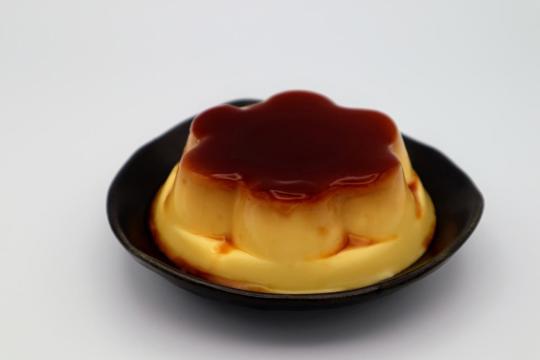
Japanese pudding is a classic dessert from Japan.
It's made with three main ingredients: milk, eggs, and sugar.
It's cooked until it turns into a soft custard-like consistency.
It's not as dense as traditional Western puddings, and has a silky texture.
You can add different flavors to the pudding.
For example: matcha (green tea powder), black sesame, caramel, or strawberry.
This makes it popular around the world.
What makes Japanese pudding special is its texture.
It's not like flan.
Japanese pudding uses regular milk, which makes it lighter.
And, it's usually served plain or with fresh fruit.
No caramelized sugar on top like in Mexican-style flan.
For a broader sense of Japanese sweet and savory balance, what Japanese curry tastes like taste guide explores flavor profiles commonly used across Japanese cuisine.
What is Flan?
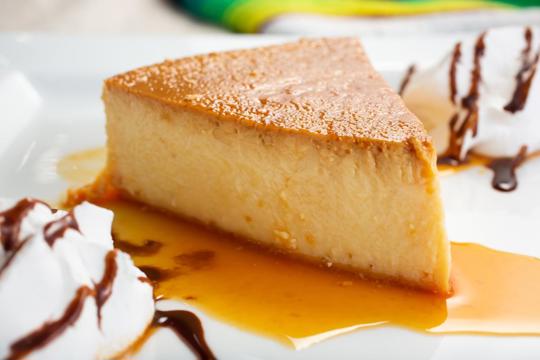
Flan is a beloved dessert, found in Latin America, Europe, and Asia.
It's known for its creamy texture and golden-brown sugar coating.
To make it, a custard mix of milk, eggs, sugar, and flavorings is baked or steamed until set.
It's usually served cold, and can be jazzed up with coffee, vanilla, or citrus.
Topping it with whipped cream or fruit compote can make it extra sweet.
Where did this pleasant dish come from? This is widely disputed, but one thing is for sure: it's a popular way to end any meal.
Because flan pairs well with bright flavors, lemon dessert pairings ideas suggests citrus companions that brighten creamy desserts.
Ingredients Used in Japanese Pudding and Flan
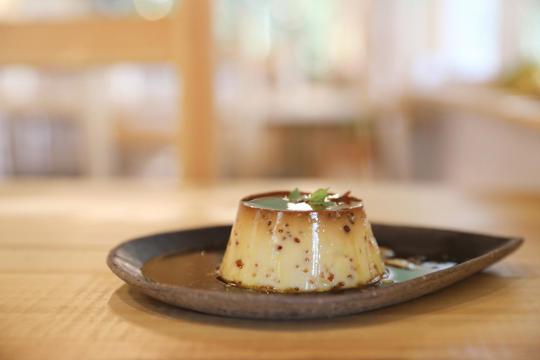
Japanese pudding and flan may be alike in many ways, but their ingredients are quite different.
Both include cream, milk, sugar and eggs - see Christmas pudding vs fruitcake comparison for a look at how similar ingredients produce very different results.
However, Japanese pudding also contains cornstarch, while flan has condensed or evaporated milk.
This gives them distinct textures and tastes.
Japanese pudding is denser, while flan is more delicate.
Toppings on each dessert also depend on the region.
Caramel syrup or berries pair best with Japanese pudding.
Whipped cream or nuts go best with flan.
Cooking and Preparation Methods
Cooking and preparing Japanese pudding and Flan have a few things in common.
But they differ significantly too.
Pudding and Flan share the same ingredients: milk, eggs, sugar, and a water bath.
But the special ingredients set them apart.
Pudding has agar-agar, and instead of cream, Flan has condensed and evaporated milk.
The different cooking processes yield unique textures.
Pudding must be boiled first.
Then chilled until the agar sets.
This gives it a firmer texture.
On the other hand, Flan is baked in a caramel-lined dish directly in the oven.
No matter what you prefer, it's important to know the differences - for another take on ingredient-driven technique differences, read white cooking wine vs white wine vinegar comparison.
If you want to experiment, you need to understand them.
Texture and Consistency Comparison
Japanese pudding and flan are well-known desserts worldwide.
Both have a soft, creamy texture - for savory examples of achieving creamy results, see vegan hummus creamy texture ideas.
Japanese pudding is firmer and custard-like.
On the other hand, flan is jiggly and silky smooth.
The texture difference originates from preparation practices.
Pudding usually has more eggs and cornstarch, resulting in a denser and pudding-like consistency.
Flan has more eggs and milk/cream, giving it a lighter and silkier feel.
Caramel sauce also affects their textures.
Usually, caramel is added before serving.
With pudding, the caramel creates a firm base layer.
For flan, caramel is poured over the top before baking, creating a softer texture.
In summary, Japanese pudding and flan have similar tastes and appearances, but different textures.
Whether you like dense and creamy or light and jiggly, these two desserts offer unique experiences.
Flavor and Taste Differences
Japanese pudding and flan vary in flavor and taste.
Pudding has a creamy texture ideal for caramel or vanilla sauce - compare how extracts shape taste in extract vs flavor comparison guide.
While flan has a unique eggy flavor and smooth consistency.
Pudding is made of milk, cream and eggs.
It contains more milk than custard powder, making it milder with less sweet taste.
In contrast, flan uses condensed milk and eggs to produce a velvety texture.
Japanese pudding has a lighter feel compared to flan.
Plus, flan is usually sweeter due to added sugar in condensed milk.
Both desserts are creamy and sweet.
It all comes down to your preference.
Similarities Between Japanese Pudding and Flan
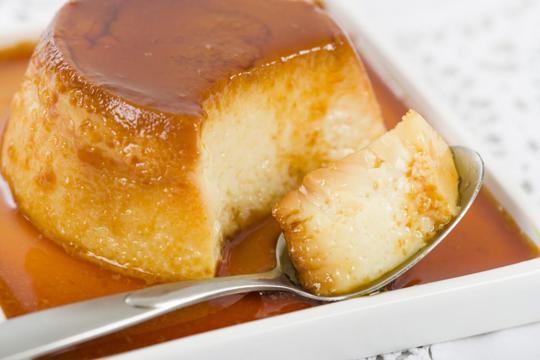
Japanese pudding and flan are two popular desserts.
They are creamy and custard-like.
Usually served cold, with caramel on top.
Both use sugar, eggs, milk and vanilla extract.
However, there are differences.
Flan is from Spain and usually made with cream cheese or evaporated milk.
Japanese pudding uses cornstarch as a thickener.
It is firmer.
And, often flavored with matcha or soybean powder.
These desserts are alike, yet different - for another pair that share a name but not texture, see Dutch baby vs Yorkshire pudding comparison.
Unique preparation techniques give them distinct textures.
Cultural and Regional Variations
Japanese pudding and flan may appear alike, however, the differences in taste and texture stem from cultural and regional variations.
Japanese pudding usually has a more intense caramel flavor and a firmer consistency than flan.
On the other hand, flan is smoother and includes more eggs.
Toppings also differ depending on the area; Japanese pudding often comes with cream or fruit whereas flan could be served with dulce de leche or caramel sauce.
These slight contrasts point out the diversity of worldwide dessert customs.
Serving and Presentation Styles
Japanese pudding and flan have exclusive presentation styles.
Flan is usually served in small ramekins with caramel sauce, while purin is mostly placed in a bigger bowl and decorated with whipped cream or fruit.
Flan is typically removed from its container and put on a plate.
But, Japanese pudding is usually left in its original dish.
Both desserts are attractive.
They have a creamy texture and vivid colors.
These desserts will look great on any dinner party table.
Whether you prefer the classic flan or the playful purin, they are both incredibly yummy.
Texture and Flavor Comparison: Japanese Pudding vs Flan
Japanese pudding and flan are two custard desserts with unique origins and ingredients.
Pudding is made with egg yolks, sugar, milk and cream.
Flan is made with eggs, sugar, vanilla extract, evaporated milk and condensed milk.
Pudding is firmer and has a subtle sweet taste, while flan has a richer flavor from the milk.
Pudding originates from Japan, introduced in the Meiji era.
Flan has Hisroots and is found in Latin American countries.
It's up to you which you prefer.
But understanding their differences will help you better appreciate these delicious desserts.
Frequently Asked Questions
You can add different flavors to the pudding. They share some similarities but each has qualities that make it better suited for certain recipes.
Japanese Pudding excels at bringing out depth and richness. Flan is better for preserving delicate qualities.
Pick based on what the final dish needs.
Cold preparations like salads and dressings often favor the option with a sharper, more defined flavor. Heat can mellow both, so the distinction matters more in uncooked dishes.
Do professional cooks prefer one over the other?
Professional preference depends heavily on the dish and cuisine style.
Each has its context where it outperforms the other, so most experienced cooks keep both on hand.
Flan variations are many. Flan vs Quesillo comparison guide explores texture and origin differences. Filipino flan vs Mexican flan breakdown looks at regional twists and typical toppings.