
Ah, the holiday conundrum: Christmas Pudding vs Fruitcake. T4Two titans of the festive table.
Drenched in tradition, they stir up more debates than Aunt Marge's political opinions.
Christmas Pudding-rich, dense, and covered in flames. It's like the rock star of December desserts.
Fruitcake? It's the marathon runner, lasting for ages and packed with candied fruits.
We've all got those memories, right? Sneaking tastes of batter or squabbling over the last slice.
These treats aren't just food; they're pieces of our holiday mix.
Now, we're slicing into the heart of these holiday staples. What sets them apart?
It's not just about dried fruit or a splash of brandy.
It goes deeper, touching on centuries-old traditions.
Prepare. We're about to unwrap this mystery, slice by slice.
What is Christmas Pudding?
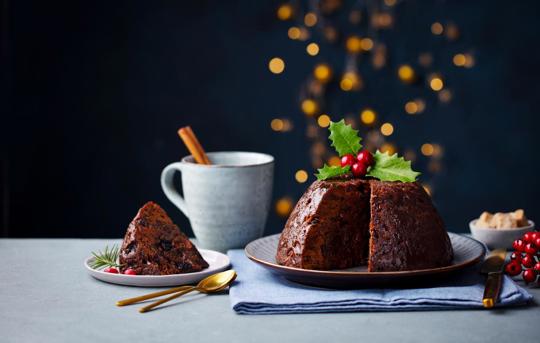
Christmas Pudding is a traditional British dessert, loved during the festive season.
It's a rich mix of suet, flour, breadcrumbs, sugar, spices like cinnamon and nutmeg, and dried fruits like raisins, currants, and candied citrus peel.
It also has treacle/molasses, brandy/rum, and eggs.
Steaming it for hours makes it moist and juicy.
It was originally called plum pudding due to plums being a main ingredient.
But when plums were switched for other dried fruits, the name changed to Christmas Pudding.
It has huge cultural importance in Britain, often being made weeks before Christmas Day.
What sets Christmas Pudding apart from fruitcake is it's served hot, after being flambeed with brandy/rum.
Its deep brown colour and warming spices make it visually and aromatically appealing.
It's usually topped with a sprig of holly before serving.
For pairing ideas that brighten rich, spiced desserts like Christmas pudding, see lemon dessert pairing ideas that balance heavy textures with citrus notes.
What is Fruitcake?
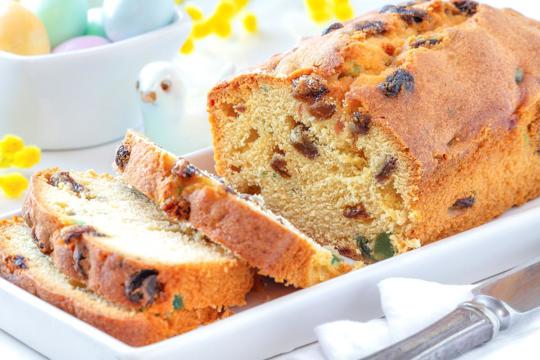
Fruitcake is a traditional dessert. Rich and dense.
Filled with candied fruits, nuts and spices.
Soaked in alcohol for weeks to bring out the flavor and keep it fresh.
Moist and chewy texture.
Burst of sweetness and tanginess from dried fruits like cherries, raisins and citrus peel.
Not light and fluffy like other cakes.
Dense consistency makes it unique.
A holiday favorite, enjoyed for generations.
Spreads joy during festive occasions.
To explore unexpected pairings and serving ideas for party-friendly dishes, try guacamole pairing suggestions for inspiration on complementary textures and flavors.
Differences Between Christmas Pudding and Fruitcake
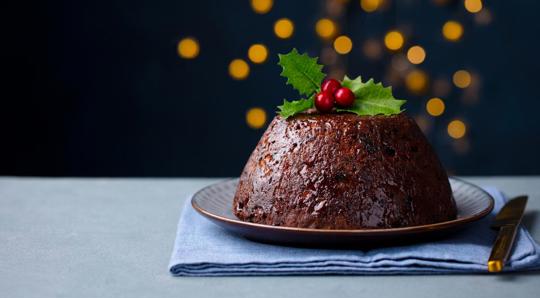
Christmas Pudding and Fruitcake may look alike, but they differ in important ways - see a Japanese pudding vs flan comparison for a similar contrast between two custard-style desserts.
Ingredients Used
Christmas pudding and fruitcake boast distinct flavors and textures.
Christmas pudding consists of suet, crumbs, sugar, spices, dried fruits, and brandy/stout.
Fruitcake includes candied fruits, nuts, spices, flour, sugar, butter, eggs, and rum/whiskey.
Both are special for celebrations.
Christmas pudding has treacle or molasses for a darker look and flavor.
Plus, a silver coin is hidden for luck.
Fruitcake changes regionally with various fruits.
It can also involve candied cherries/citron peel.
Soaking the fruits in alcohol plumps them and adds a boozy kick.
Both desserts share spices and dried fruits, yet differ with their combinations.
Whether you choose pudding or fruitcake is up to you.
Both bring joy and nostalgia during the holiday season.
Preparation Method
Christmas pudding and fruitcake have significantly different preparation methods.
For Christmas pudding, mix suet, breadcrumbs, flour, sugar, and dried fruits.
Then, steam the mixture for hours.
To make a fruitcake, soak dried fruits in alcohol overnight.
Then, mix together butter, sugar, eggs, flour, and spices.
Bake the batter slowly to evenly spread the flavors.
Christmas pudding has a festive tradition: add coins or charms to the mixture before steaming.
People eagerly await to find these hidden treasures in their slices.
For fruitcake, nuts like almonds and walnuts are added for flavor and texture.
Flavors and Spices
Christmas pudding and fruitcake have unique flavors.
Pudding usually has warm spices like cinnamon, nutmeg, and cloves.
Fruitcake has a sweeter taste with dried fruits like raisins, currants, and orange peel.
Both desserts often have alcohol added.
Pudding is typically soaked in brandy or rum after baking.
Fruitcake may be soaked in whiskey or bourbon for a longer period.
Christmas pudding relies on spices like allspice and ginger.
Fruitcake uses milder spices like vanilla and almond essence.
These spices go with the sweetness of the fruit.
They don't overpower it.
So, Christmas pudding has an aromatic flavor.
Fruitcake enhances the natural sweetness of dried fruits.
Each dessert has its own festive flavors.
Their spice profiles make them special for the holidays.
For bold, herb-forward flavor ideas that can inspire spice blends, see Mediterranean vegan bowl flavor ideas showcasing vibrant herb and spice pairings.
Traditions and Occasions
Traditions and occasions play an essential role in molding our cultural practices, reminding us of our roots, and bringing communities together.
People celebrate these special events and milestones with joy.
From festive holidays like Christmas to life events such as weddings and birthdays, traditions help us honor our heritage and make memories.
These traditions can differ across cultures and regions, showing human experiences.
One interesting aspect of occasions is that they often focus on food.
Certain dishes are associated with specific events, adding flavor to the celebrations.
For example, Christmas pudding and fruitcake are two popular desserts for Christmas.
They may look similar, but there are some differences.
Christmas pudding is a traditional British dessert usually served on Christmas Day.
It has a dense texture and is filled with dried fruits steeped in alcohol.
It also contains breadcrumbs or flour mixed with spices.
It's steamed for hours to bring out the flavor.
On the other hand, fruitcake is a popular choice for celebratory occasions throughout the year.
This dessert uses butter or oil as its base ingredient and includes chopped nuts and dried fruits.
It's soaked in spirits like brandy or rum to enhance its taste.
Christmas pudding has a denser, richer texture from the steaming process, while fruitcake is lighter due to the use of butter or oil.
Similarities Between Christmas Pudding and Fruitcake
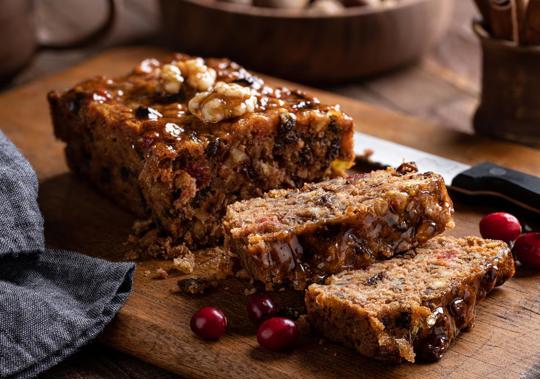
Christmas pudding and fruitcake have many things in common.
They are both popular desserts served during the Christmas season - comparable to how a Dutch baby vs Yorkshire pudding comparison highlights seasonal pudding variations.
Both are rich and dense, filled with fruits such as raisins, currants, and candied peel.
They are made with flour, sugar, eggs, and spices such as cinnamon and nutmeg.
Both require a long baking time to get their flavors and texture just right.
One similarity is their preparation method.
Both need to soak the dried fruits in alcohol beforehand to make them more flavorful and moist.
Then, they are steamed or baked for several hours.
Presentation-wise, they are both served warm with accompaniments such as brandy butter or cream sauce.
This gives a cozy feeling during the festive season.
However, there are some unique details that set them apart.
For example, fruitcakes last longer due to their high sugar and alcohol content.
They can be stored for months without losing flavor or texture.
In contrast, Christmas puddings are traditionally made on "Stir-up Sunday," five weeks before Christmas.
This adds a special significance to them.
Texture and Moistness Comparison
Christmas pudding and fruitcake - both offer a yummy experience.
But texture-wise, there's a difference.
Pudding's got a dense, compact feel.
It's made of dried fruits, suet, breadcrumbs, flour, eggs, and spices.
Plus, it's got treacle or molasses for sticky, syrupy moistness.
Every bite's a combination of chewy and smooth.
Fruitcake has a crumblier texture.
It's made of flour, butter, sugar, eggs, and alcohol-soaked dried fruits like raisins, currants, and candied peel.
Thanks to leavening agents like baking powder or soda, it's less dense.
Its crumb easily falls apart.
Fruitcake's a bit drier than Christmas pudding.
But it still packs flavor.
The alcohol-infused fruits, glace cherries, and nuts provide bursts of sweetness and moisture.
So, the upshot? Christmas pudding's dense, chewy, and smooth.
Fruitcake's crumbly, with bursts of moisture from its fruity mix.
If texture contrast matters, look at vegan hummus recipes for creamy texture that explain how ingredient choices change mouthfeel.
Serving and Enjoyment
Enjoying Christmas pudding and fruitcake is a nice experience that brings joy to any festive celebration.
The rich flavours and textures of these desserts make them perfect indulgences in the holiday season.
These traditional desserts are sometimes served warm, complete with sauces or creams.
Christmas pudding, with its moist and dense consistency, is usually enjoyed with custard or brandy butter.
Slices of fruitcake, on the other hand, can be served plain or decorated with whipped cream or icing.
The presentation of these desserts also varies.
Christmas pudding is often flambeed before being brought to the table.
Fruitcake can be elaborately adorned with marzipan and icing, making it visually appealing as well as delicious.
Both desserts are usually served generously - fruitcake slices individually, while Christmas pudding is often presented whole and divided at the table.
Christmas pudding has spices like cinnamon, nutmeg, and cloves, along with dried fruits like raisins, currants, and candied peel.
Fruitcake, meanwhile, is more fruity thanks to its generous use of mixed dry fruits.
Christmas pudding and fruitcake offer unique experiences - meant to be savored slowly.
So, whether you prefer a traditional British Christmas pudding or a classic fruitcake from your grandma's cookbook, indulge in these timeless treats for an unforgettable holiday experience.
Christmas Pudding vs Fruitcake: Which is More Popular?
Christmas pudding and fruitcake - which reigns supreme? It's hard to decide - both have unique qualities that make them beloved.
Christmas pudding is a classic British dessert - similar regional popularity is explored in a Yorkshire pudding vs popovers comparison that contrasts two beloved British bakes.
Made with suet, breadcrumbs, sugar, and fruit and spices.
Often with alcohol - brandy or rum.
It's served with a rich sauce - like brandy butter or custard.
It's been a festive favorite for generations.
Fruitcake is more commonly associated with American holidays.
It's a dense cake with candied fruits, nuts, and sometimes liquor.
Fruitcake can be made early and stored to bring out its flavors.
Many families have their own cherished recipes that have been passed down.
Christmas pudding is popular in the UK, where it has strong cultural significance.
Fruitcake is widely known internationally, due to being in gift assortments and being a dessert for many holidays.
Distinguishing Christmas Pudding from Fruitcake
We can now see that Christmas pudding and fruitcake may appear to be similar, but they do have their distinct differences.
Ultimately, both baked goods fill a much-needed festive role during the holidays, whether it's to top off a delicious dinner or to give as gifts.
When Christmas rolls around, either will be sure to bring cheerfulness and warmth into any home.
So don't fret over your decision - whichever one you choose, it's sure to be a hit.
Whether you decide on indulging in the creamy sweetness of Christmas pudding, or going with the classic nuttiness of fruitcake, you can't go wrong.
And if all else fails? Just enjoy having both.
Frequently Asked Questions
Differences Between Christmas Pudding and Fruitcake Christmas Pudding and Fruitcake may look alike, but they differ in important ways. They share some similarities but each has qualities that make it better suited for certain recipes.
Sometimes. Christmas Pudding works where Fruitcake is called for in certain dishes, but not all.
Check whether the recipe relies on a specific quality before substituting.
Cold preparations like salads and dressings often favor the option with a sharper, more defined flavor. Heat can mellow both, so the distinction matters more in uncooked dishes.
Do professional cooks prefer one over the other?
Professional preference depends heavily on the dish and cuisine style.
Each has its context where it outperforms the other, so most experienced cooks keep both on hand.
Unveiling flavor contrasts can be surprisingly instructive. Unveiling flavor: chia pudding taste explores texture-driven taste, and unveiling the taste: blood pudding taste shows how bold ingredients define a dish.