
Honeycomb is nature's sweet gift, yet its flavor remains a mystery to many.
Picture this: you dip into a piece of honeycomb, and it's not just sweetness you experience.
There's a hint of flowers, a touch of the hive's hard work, and a texture that just melts. It's all about the pure, unfiltered joy of honey in its most natural form.
Ready to get into the details?
What is Honeycomb?
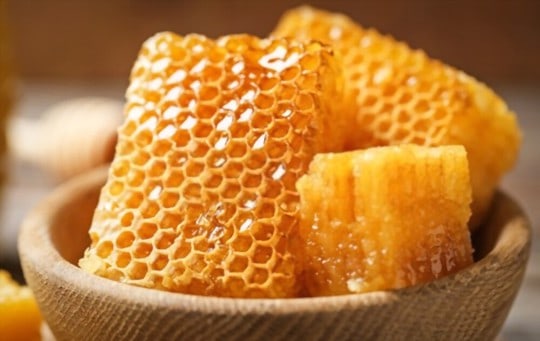
Golden in color, the hexagonal-shaped honeycombs are home to the bees.
It is home to the larvae of bees and the storage of raw honey produced.
You will also find some quantity of bee pollen, royal jelly, and propolis.
The wax obtained from honeycombs are highly nutritious and has many benefits.
Beeswax is commonly used in cosmetics and food products, and they all have excellent reviews.
Their antioxidant properties make them an important food source.
Beeswax also provides fatty acids, which are needed by the body for the healthy development of the heart.
You can eat honeycomb as it is or mix it with other food products to enhance its taste.
Many like to use honeycombs as a natural sweetener in their meals.
Regardless of how you eat them, they are a delicacy when considering the honeybees' hard work.
Honeycomb's sweetness works well in sweet recipes; lemon dessert pairings and ideas suggests flavors that complement bright citrus notes.
What Does Honeycomb Taste Like?
Honeycombs taste like honey, along with the bits of wax.
They are chewy and eaten just like you eat honey, but with the Beeswax in it.
While eating honeycomb, you will find that the wax is delicate and gives an interesting texture.
Like honey, honeycombs are sweet and filled with pleasant flavors - similar to acai berry taste guide for tropical notes.
You must take care not to overeat them as you may suffer stomach upsets.
Honeycombs may differ in taste based on the nature they are harvested.
Some taste slightly sweeter than others, while some even have a floral taste.
As you chew the honeycomb and extract the honey in your mouth, you will find that the residual wax forms a lump.
You can ingest the wax or spit it out if you don't like doing so, but honeycombs are completely edible.
Beeswax is the only natural wax available.
We recommend that you not skip on this opportunity and consume the wax if possible.
The gum-like chewy texture will delight you.
Honeycombs are rich in carbs but low in vitamins, minerals, fats, and proteins.
They have 391 kcal of calories per 100 g, and their nutritional value is mainly based on the fatty acids needed by the human body.
On the other hand, honey has lower calories, carbs, and 0% fats.
Honeycomb is considered better than honey as it has all the nutrients unaffected by processing techniques.
How to Cook Honeycomb?
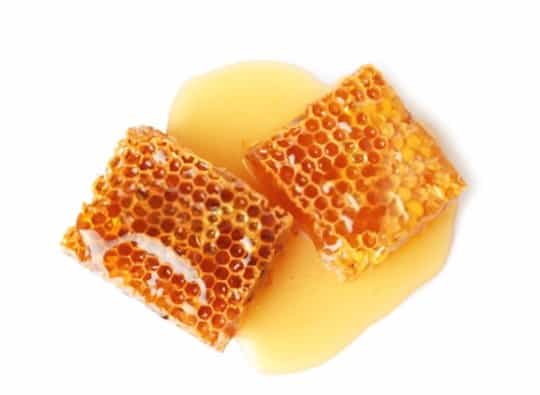
While you can eat honeycomb straight away with a spoon, some like to take it a notch higher and make it into a meal.
So, how do we do this?
There are many ways to incorporate honeycombs into your diet.
You can eat it with some pancakes, spread it on a toast, or combine it with fresh fruits.
Adding honeycombs to oatmeal also tastes fantastic, and you should definitely try it.
We don't usually cook honeycomb but use them in different food.
Here are some ways:
- Using honeycomb as a pancake/bread spread: Take some honeycomb and lightly mash them with a spoon. Use this as a spread on your hot toast or pancakes. You can add butter for an extra flavor.
- Sandwich the honeycomb: Break it into small pieces and put them in your sandwiches. They taste great with ham, beef, or just about any sandwich.
- Yogurt sweetener: Most people like to use sugar to sweeten their yogurt. But you have a healthier option− honeycombs. Your regular yogurt will now taste even more satisfying.
- Make a honeycomb flavored salad: This is one exciting way to use honeycombs. Simply make your favorite fruit salad (but make sure there is not too much sweetness going on) and spread the honeycomb chunks on top.
Cautions: You may suffer stomach upsets if you consume a large amount of honeycomb, and it is thus advised to keep your consumption limited.
Also, people with pollen allergies may notice allergic reactions.
Honeycomb also pairs well with quick vegetable sides; quick veggie sides under 12 minutes lists fast, easy options.
Honeycomb Flavor Notes and Uses
You've now read the many possibilities you get with honeycombs.
They are sweet and helpful in treating many ailments.
Their medicinal properties are one reason to stock up on honeycombs whenever possible.
Another exciting thing we've learned is the natural wax that comes with honeycombs.
If you don't like eating the wax, you google up some DIY beeswax ideas to develop exciting projects.
You can even make some beeswax skincare at home.
All of these will help you use nature's bounty to its fullest.
When you use honeycomb for multiple purposes, it shows that you appreciate and acknowledge the work of our buzzing friends, so keep doing it.
Frequently Asked Questions
Ever wondered what a beehive's treasure tastes like? Honeycomb is nature's sweet gift, yet its flavor remains a mystery to many.
Picture this: you dip into a piece of honeycomb, and it's not just sweetness you experience.
Several foods share flavor notes with Honeycomb. Tasting similar items side by side is the easiest way to map out what you enjoy and find new favorites.
Can you adjust the intensity of the flavor?
Yes.
Pairing it with acidic, sweet, or fatty components shifts the perceived intensity.
A squeeze of citrus brightens mild flavors, while fats like butter or oil mellow sharper ones.
Avoid pairings that clash with its dominant flavor note. Competing intensities - very sweet with very sour, or heavy with delicate - tend to obscure rather than go with the taste.
Honey complements many dessert flavors. lemon dessert pairings and ideas lists top matches. acai berry taste guide for tropical notes offers a fruity flavor reference if a tropical element is desired.