
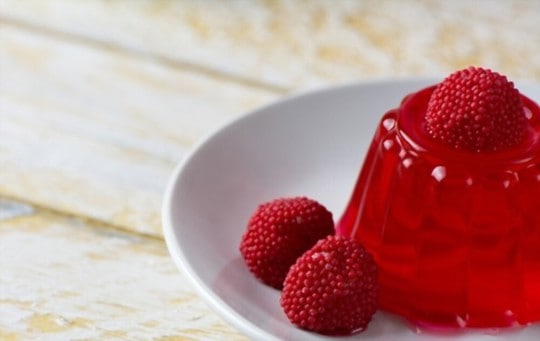
Jello is a gelatin-based dessert that people make at home or buy through stores.
These are popular around the world, and as they are high in demand, buy and stock them in large quantities.
However, while storing it, people get perplexed that they can keep it for a more extended period or if do jello go bad.
The dessert will only serve you for a limited period of time as it contains a high amount of water.
Thus you need to have and finish jello within a short span.
One should refrain from consuming bad jello, which can cause diarrhea and stomach infections.
Jello Shelf Life and Safety

Jello comes in powdered form in a pack with a specific best-by date.
That is provided by the producer, which indicates the time period till which it's fine to have.
It is obvious that powdered form will last longer than prepared jello - a point similar to guidance in the Himalayan salt block lifespan guide on how long salt blocks remain usable.
Therefore if anyone is sure that they do not want to have it within a short period, do not prepare it or open the pack.
Dried jello can serve you for a period of 1 month beyond the best-by date if stored in the pantry.
Storage of dried jello in the pantry is not advisable; thus, one should not keep this in the refrigerator.
However, if it is a store-bought prepared jello, one can expect the dessert to last 3 to 5 days after the labeled date.
If you have made it at home, the shelf life will be short as this does not contain preservatives.
So you might only be able to preserve their quality for 2 to 3 days.
These are not definite shelf lives because they depend significantly on storage conditions.
Anyone can retain the quality of their jello and increase their shelf life by storing them under favorable circumstances.
How to Tell if Jello Has Gone Bad?

- Close Inspection
Anyone who has preserved it with proper storage can have it even beyond its best date.
However, they must inspect the dessert closely to determine if it's still edible - and understanding jelly vs jello differences explained can clarify which spoilage signs apply to each.
You can see that the desert does not contain any spots or mold.
That is because mold indicates long exposure to moisture and bacteria develop.
Thus if you have seen any mold formation on the surface, you should throw it out.
- Texture and Consistency
Another way to find bad jello is to compare its texture and consistency from its initial position.
If the dessert is prepared, then its texture will surely change if it goes bad.
At first, it has a slimy and shaky texture, but if it gets excess air exposure, then the dessert will become stiffer.
So if, after storage, the jello is not slimy, then one should discard it.
- Try Tasting
The taste will clear out all your queries as it will not offer you a similar taste as before.
However, you are advised to do this test if there is no mold or difference in the texture.
That is because tasting molded desserts can make anyone sick, so this should be the last test if no other bad signs are present.
If the taste is similar, you can indeed have it; otherwise, be ready to discard it.
How to Store Jello?
- Powdered Jello
It would be best if you found a cool and dry place to store powdered jello.
That is because you need to preserve the jello from moisture, as it will make the dessert powder moldy.
One can put the pack in a Ziploc or sealed bag to prevent exposure to other elements.
- Prepared Jello
Store-bought desserts can last a few days because the producers entirely seal them.
Also, these are kept at a specific temperature to slow down the deterioration process.
Thus one needs to ensure that they refrigerate the dessert as soon as they buy it.
- Add Airtight Container
If you keep your dessert as it is in the fridge without adding any covering, then there are higher chances of early spoilage.
That is because food items can get on the dessert or develop a foul odor from the other surrounding food item.
Thus for proper storage, you need to keep it in an airtight container before refrigerating it.
Shelf life details for handheld meals appear in sandwich shelf life overview. avocado oil storage timeline explains how to keep oils fresh and usable.
Frequently Asked Questions
Jello is a gelatin-based dessert that people make at home or buy through stores. These are popular around the world, and as they are high in demand, buy and stock them in large qua...
Check the packaging instructions. Many products are shelf-stable until opened, then require refrigeration to prevent bacterial growth.
Best-by dates indicate peak quality, not safety. Many shelf-stable products remain safe beyond that date if stored properly and show no signs of spoilage - always check before using.
Homemade versions typically have a shorter shelf life due to the absence of preservatives. Use them faster and store in the refrigerator even if the commercial version is shelf-stable.