
Do you ever find yourself confused about the difference between a Kolsch and a Pilsner?
This article explains it all so you can impress your friends with your knowledge of beer.
Get ready to unlock the mystery of the two types of beer and explore their differences.

What is Kolsch Beer?

Kolsch beer is a type of beer that originates from Cologne, Germany.
It is a light and refreshing beer that is perfect for warm weather.
Kolsch beer has been produced in the region since the 17th century and has become very popular in recent years.
Kolsch beers are fermented using ale yeast but undergo cold storage like lager beers.
The result is a crisp and clean taste that is perfect for those who enjoy light beers.
Kolsch beers are traditionally served in tall, thin glasses known as 'stange.
In summary, Kolsch beer is a pale, light-bodied beer with a crisp and clean flavor that originated from Cologne, Germany.
Kolsch's light, crisp profile can work nicely with citrus-based desserts - lemon in desserts pairing ideas lists dessert matches that suit delicate beers.
What is Pilsner Beer?
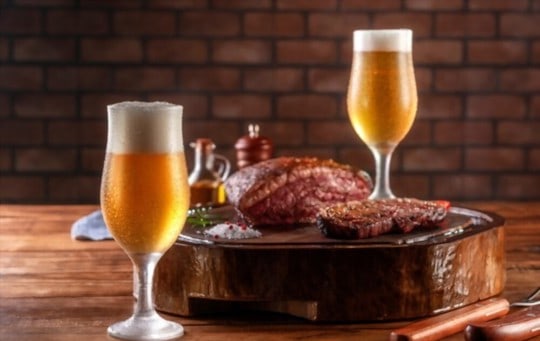
Pilsner beer is a popular style of beer that originated in the Czech city of Pilsen in the mid-1800s.
This style of beer was created by Josef Groll, who used pale malt and Saaz hops to produce a clear, crisp, and refreshing lager that soon became immensely popular throughout Europe.
In terms of taste and appearance, Pilsners are generally quite similar regardless of where they're made.
However, there can be subtle variations depending on factors such as water source, hop variety, and brewing technique.
Overall, Pilsner beer is enjoyed for its refreshing taste and drinkability.
It's often described as "crisp," "clean," and "easy-drinking.
" Fans of this style appreciate its lack of strong flavors or aromas that might overpower their palate.
Instead, they can enjoy a straightforward beer that's perfect for pairing with food or drinking while socializing.
Pilsner's crisp bitterness can cut through rich, creamy dips - what to eat with guacamole tasty combos suggests avocado-friendly bites that pair well with a crisp lager.
Differences Between Kolsch and Pilsner

Kolsch and Pilsner are two significantly different styles of beer, which can be distinguished in various ways.
In terms of origin, Kolsch is from Cologne, Germany while Pilsner comes from Plzen, Czech Republic.
The distinct difference is in the fermenting process used in their creation.
Kolsch is a top-fermented beer while Pilsner uses bottom fermentation.
Interestingly, while Kolsch is light-colored and hazy for its style, Pilsners are golden-yellow with clearness associated with their crisp taste.
Also, another difference lies in their alcohol content (ABV), where Kolschs are typically between 4.
6%, whereas pilsners range from 4.
Regarding flavors within the beers themselves; these vary tremendously too: a kolsch tastes faintly fruity and slightly sweet with low bitterness levels compared to pilsners that range from slightly malty with moderate to high bitterness levels making them perfect for those desi cuisines.
Origin
Kolsch and Pilsner are two popular beer styles that have been enjoyed by beer lovers for years.
Both have their unique characteristics and qualities that set them apart from each other, starting from their origin.
Kolsch is a beer style that originated in Cologne, Germany.
It is a hybrid beer that combines the characteristics of an ale and a lager.
Kolsch is brewed using top-fermenting yeast like that used in ales but undergoes lagering which is similar to how lagers are made; yeast fermentation takes place at low temperatures.
This process results in a clean, crisp, and refreshing taste with fruity tones.
Pilsner or Pilsenbeer has its roots in the city of Pilsen, located in what is now the Czech Republic.
It was first brewed in 1842 by German brewer Josef Groll using new techniques including bottom-fermenting yeast and cold storage.
This method produced a lighter colored beer with a clear finish, much different than traditional brown beers popular during the time.
In summary, Kolsch originated in Cologne while Pilsner's roots are traced to Plsen but it should also be noted that the beer style is named after the city.
The yeast and fermentation processes used are also distinguishing factors between the two beers with Kolsch using top-fermenting yeast while Pilsner uses bottom fermenting yeast and cold storage.
This way of brewing results in subtle flavor differences, as well as appearance and alcohol content.
Ingredients Used
Kolsch and Pilsner are two popular beer styles that originated in Germany.
Although they may seem similar, there are distinct differences in the ingredients used to make them.
One of the primary differences between Kolsch and Pilsner is the type of malts used.
While Kolsch uses German Pilsner malt, Pilsner uses Moravian Pilsner malt.
Another difference is in the types of hops used.
Kolsch uses Tettnang hops, while Pilsners use Saaz or other noble varieties.
Also, another major difference is that different strains of yeast are used to brew these beers.
Ale yeast strain for brewing kolschs while lager yeasts for brewing pilsners due to their unique fermentation requirements.
Flavor and Aroma Comparison
Kolsch and Pilsner differ from each other in terms of flavor and aroma.
While Kolsch has a fruity aroma, Pilsner has a more hoppy aroma.
The flavor of Kolsch is also more delicate and subtle than Pilsner, which has a more pronounced bitter taste - see extract vs flavor comparison details for how flavor sources affect beer profiles.
The aroma of Kolsch is fruity while that of Pilsner is hoppy.
Also, the flavor of Kolsch is delicate whereas Pilsner has a bitter taste.
Finally, when it comes to body type, Kolsch is lighter than Pilsner which is usually medium bodied.
Overall, these differences in flavor and aroma make Kolsch and Pilsner unique in their own way.
Whether it's a fruity or hoppy aroma or delicate or bitter taste that you prefer, both types of beer have something different to offer.
Color and Appearance

Appearance plays a significant role in determining its quality.
The color of the beer often indicates its style and flavor.
In this section, we will compare the color and appearance of two popular beer styles - Kolsch and Pilsner.
Both Kolsch and Pilsner are light-colored beers with similar clarity.
However, Pilsner is usually lighter in color than Kolsch.
Apart from color, the head of the beer is also an essential aspect of its appearance.
A thick layer of foam or head retains the aroma of the beer and enhances its flavor.
In general, both Kolsch and Pilsner have a dense white head that lingers for a while.
In summary, while both Kolsch and Pilsner are light-colored beers with clear bodies, their shades may differ slightly.
Also, they both have a dense white head that adds to their overall appearance.
Alcohol Content and Carbonation
Kolsch and Pilsner both have different alcohol content and carbonation levels.
In Kolsch, the alcohol by volume (ABV) ranges from 4.
2%, while in Pilsner, the ABV ranges from 4.
This makes Pilsner a bit stronger than Kolsch in terms of alcohol content - compare grain alcohol vs vodka strength comparison for context on how alcohol types affect potency.
Moving onto carbonation, Kolsch is usually smoother and less carbonated compared to Pilsner.
The carbonation level in Kolsch is moderate, making it crisp and easy to drink without being too fizzy.
In contrast, Pilsners are highly carbonated, which gives them a refreshing bite that is perfect for hot summer days.
Both beers have similar ABVs; However, there is a slight difference in their average range that sets them apart in terms of strength.
On the other hand, the primary difference lies within their intended balance of bite versus smoothness that heavily influences what kind of drinking experience one can expect from each beer type.
While some craft breweries may produce stronger or weaker variations of these beers based on personal preference or technique requirements, these should only be deemed outliers rather than definitive attributes across all types of Kolsch or Pilsners.
Serving Temperature
Kolsch and Pilsner beer have different ideal temperatures.
Serving temperature can greatly affect the flavor of beer, so it's important to serve it at the right temperature.
As you can see, Kolsch should be served slightly warmer than Pilsner.
The reason for this is because Kolsch has a more complex flavor that can be better appreciated when slightly warmer.
On the other hand, Pilsners are crisp and refreshing, so they are best enjoyed when served cold.
Serving temperature is not just about personal preference - it can also affect the carbonation levels of the beer.
If beer is served too cold, the carbonation levels can be reduced, which can make the beer taste flat.
In summary, serving temperature plays an important role in so that Kolsch and Pilsner are enjoyed to their fullest potential.
Food Pairing Suggestions for Kolsch and Pilsner

The right beer can make all the difference in improving your meal's flavors.
Here are some suggestions for dishes that pair well with Kolsch and Pilsner beers:
For Kolsch, try light dishes like fish tacos, grilled shrimp, or salads with citrus dressing.
The beer's light body and subtle fruit notes complement these refreshing dishes perfectly.
Pilsners are a little more versatile when it comes to food pairing.
They go well with classic pub fare like burgers, pizza, and fried foods, but also hold up against spicier dishes like curry or chili.
The beer's crisp bitterness balances out rich or spicy flavors.
Regardless of which type of beer you choose, always consider the intensity of your dish when making a pairing.
Lighter beers like Kolsch work best with lighter fare, while stronger, more complex beers are better suited for heartier dishes.
Remember that these suggestions are just a starting point - don't be afraid to experiment and find your own perfect pairings.
Now that you know the difference between Kolsch and Pilsner beers as well as some great food pairings for each one, you're equipped to try out new combinations and discover your own favorite tastes.
Enjoy exploring the world of beer and food pairing.
For kitchen prep that affects texture in dishes paired with these beers, food mill vs ricer comparison for texture explains which tool creates the mouthfeel that best complements different brews.
Distinctive Characteristics of Kolsch and Pilsner Beers
To sum it up, Kolsch and Pilsner are two popular beer styles with unique characteristics in terms of appearance, aroma, flavor, and mouthfeel.
While they share some similarities due to their lagering process and use of noble hops, there are also notable differences that distinguish one from the other.
Choosing between Kolsch and Pilsner depends on personal preference when it comes to taste profile and beer characteristics.
It's good to note that both styles are perfect for drinking on warm summer days or when looking for a refreshing beer to enjoy.
Frequently Asked Questions
Do you ever find yourself confused about the difference between a Kolsch and a Pilsner? They share some similarities but each has qualities that make it better suited for certain recipes.
They can stand in for each other in a pinch. Kolsch Beer and Pilsner Beer overlap in some uses, but the flavor or texture will shift.
Adjust quantities to taste.
Shelf life differs based on processing and packaging. One often keeps longer unopened, while the other may need refrigeration or faster use after opening.
Which one is more forgiving in recipes?
One tends to perform more consistently across a range of cooking methods, making it the safer choice when experimenting.
The other delivers stronger results in specific applications.
Kolsch's light character pairs well with citrus desserts. lemon in desserts pairing ideas highlights sweet matches. Pilsner's crispness suits rich dips; what to eat with guacamole tasty combos shows complementary snack options.