
Among the fish enthusiast community, largemouth bass might be the least favorite.
Not saying that it tastes terrible since it's subjective, but relatively lower popularity-wise.
So, what does largemouth bass taste like? It's a question raised by many who have yet to taste this fish or are planning to try one.
It's only natural to get curious about the taste of food items that one has yet to try.
In this case, this species of black bass has seen divided opinions about its taste.
What Is Largemouth Bass?
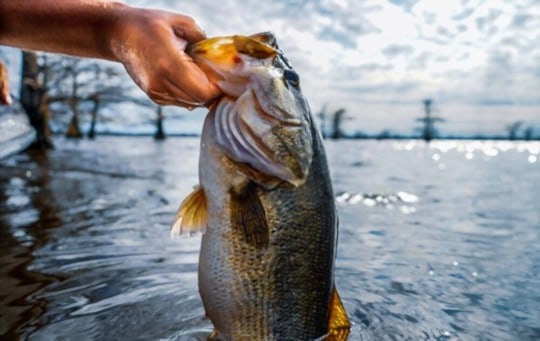
The largemouth bass is found widely in freshwater and is the largest species of black bass.
Its color may vary from greenish grey to olive green.
It's a gamefish sought by anglers due to its aggressive nature.
It's also the state fish of several states, including Alabama, Georgia, Florida, and Mississippi in the United States.
This bass also has several alternate names, such as Florida bass, green trout, Bigmouth bass, Potter's fish, and Oswego bass, to name a few.
The average life span of this fish is ten to sixteen years.
They're carnivorous, where the juvenile largemouth feed on small insects, water fleas, and shrimps.
The adult bass feed on smaller species of larger fish like trout, striped bass, and sometimes even small black bass species.
If lemon appears on the menu, consider dessert pairings suggested in lemon dessert pairings and options to round out the meal.
For a saltwater point of reference, try sea bass taste guide for comparison to see how flavors differ between species.
What Does Largemouth Bass Taste Like?
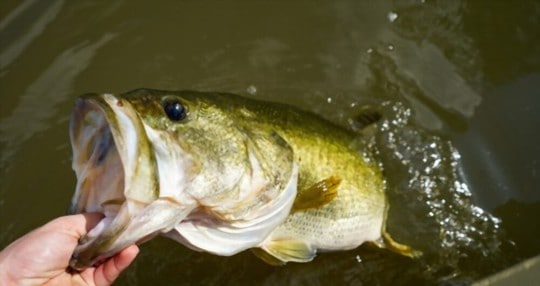
We have mentioned earlier that largemouth bass is the least popular among various species of black bass.
Some might be wondering why it's the least favored among fish enthusiasts.
Most people don't like it due to its fishy smell.
This fish has a watery and mild flavor but is not clean like smallmouth bass.
Largemouth bass has a tender and firm texture.
It has white flesh and fewer bones in the fillets.
People who have tasted this fish compare it to sunfish and bluegill fish.
Interestingly, it feeds on this fish species.
Besides its fishy smell, not many prefer this bass species due to its muddy and soggy taste.
However, the taste also depends on how you prepare it.
One way to reduce the fishy smell is by removing the bloodline and skin before cooking.
Largemouth bass found in restaurants are mostly farmed.
It's cleaner and less fishy than the wild ones.
Most people avoid having the wild ones because of their diet and habitat.
Besides, it has a lot to do with its dwelling place and size.
Large-size bass has a pungent flavor and is challenging to cook.
Small ones are cleaner and more flavorful.
The preparation process also matters in determining the taste of largemouth bass, especially from the wild.
Regardless of its taste, this bass species is highly nutritious.
It contains vitamins, proteins, and minerals, including selenium and potassium.
Including this fish in your meal helps build muscle, manage weight, and improve heart health.
How to Cook and Serve Largemouth Bass?
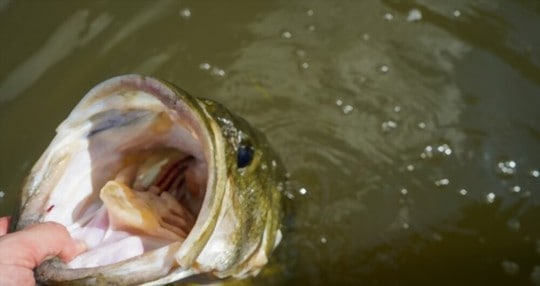
Adequate cleaning is important for this fish species.
It may be pretty challenging for those who haven't tried it before.
Once it's cleaned thoroughly, you may prepare it in different ways, such as grilling, deep frying, baking, and broiling - and serve it with quick veggie sides under 12 minutes that finish at the same time.
If you're wondering how to clean this fish, check the steps below:
- Do a shallow cut first. Start from the base of the tail fin and follow through the lower jaw. Avoid deep cutting to prevent internal organs from puncturing.
- The next step is to clean internal organs and the inside cavity.
- Now that the fish is cleaned inside start the descaling process using a large spoon or a dull knife. Descale both sides, and place it in cool, clean water. .
After the cleaning process is done, you may prepare the dish as you like.
It tastes good with simple ingredients such as pepper, lemon, and salt.
Deep-frying, grilling, and baking are some of the best ways to cook this fish.
It's better to avoid making a stew-based dish with this fish due to its fishy smell.
Note that mercury levels are higher in wild bass than in farmed ones.
So, if you have wild largemouth, avoid having more than six portions a month.
Flavor Profile of Largemouth Bass
In the United States, this black bass species is the most popular sportfish.
Because of its elusive nature, it's quite popular among anglers and the likes.
Due to its fishy smell and difficult cleaning process, most people don't prefer having this fish.
However, the choice is yours.
The taste of this fish mainly depends on how you clean it and the way it's prepared.
Nevertheless, it's a nutritious fish that taste incredible, and a good addition to your meal.
We suggest opting for a farmed bass if you're trying it for the first time.
That way, you may get a gist of its taste profile.
What to Serve with Sea Bass? 7 Tasty Side Dishes is useful for side pairing ideas: sea bass side dishes roundup. For species comparisons, see Chilean sea bass vs branzino breakdown.
Frequently Asked Questions
Not saying that it tastes terrible since it's subjective, but relatively lower popularity-wise. So, what does largemouth bass taste like?
It's a question raised by many who have yet to taste this fish or are planning to try one.
The texture of Largemouth Bass depends on how it is prepared. Raw, cooked, and processed forms each offer a distinct mouthfeel that changes the overall eating experience.
Is there a strong smell that comes with the taste?
Aroma and taste are closely linked.
A strong smell usually signals an equally bold flavor.
If the smell is mild, expect a subtler taste that becomes more apparent with seasoning.
Depends on the ingredient. Some improve dramatically with heat, developing sweetness or losing bitterness.
Others are best raw, where cooking dulls the brightness that makes them worth trying.