
Only some might know or possibly have tasted loroco if you're from Central America or are acquainted with their food culture.
In botanical terms, it's called Fernaldia Pandurate.
It's a herbaceous vine where flowers and buds are used in a variety of dishes.
It's widely cultivated in EL Salvador and Guatemala.
This edible herb is considered an essential source of food in these countries.
One of the well-known food items, pupusa, a flatbread from these regions, is stuffed with this plant's flower buds.
Want to know more about this edible plant and its taste profile?
What is Loroco?
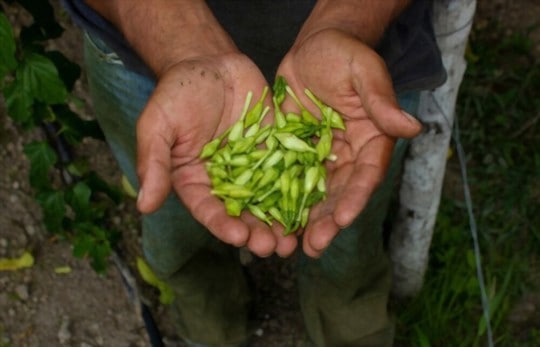
Widely cultivated in Central and South America, this perennial plant is an important food source for these regions.
It's found mainly in Honduras, El Salvador, and Guatemala.
It grows well in tropical and subtropical regions.
The plant can grow as tall as six meters in some regions.
Loroco belongs to the Apocynaceae family, the same as bloodflower, frangipani, and common milkweed.
This plant is known for its feathery leaves and woody stems.
Also, the fruit of this plant looks like a green capsule with seeds inside, which has a nutty and crunchy texture - for another distinctive fruit flavor profile, see acai berry taste guide.
Bloom seasons of these buds start from April till June.
It produces cream-colored or yellow flowers, which are star-shaped comprising five petals.
Loroco flowers are also edible and are prim - their floral notes can work well with citrus in desserts; see lemon dessert pairing ideas for complementary flavors.
Another distinct characteristic of this edible plant is its aroma.
It has a floral smell but gets a pungent grassy aroma.
What Does Loroco Taste Like?
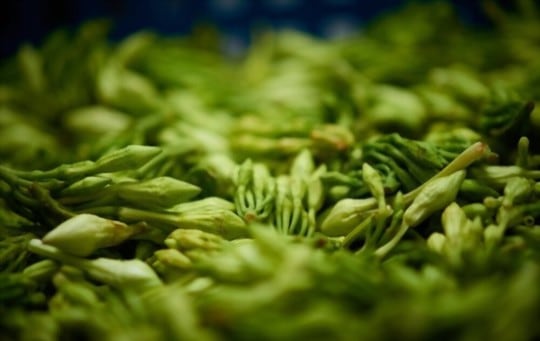
Because of its distinct earthy flavor, describing what it tastes like can be challenging.
For instance, it has a woody note but also has a hint of acidic and tart aftertaste.
The grassy flavor is unmissable and gives an undertone of cream, honey, and nuts.
People who have tasted this plant say it tastes like greens.
In short, it's a cross of asparagus, broccoli, and chard.
However, this one is sweeter and more flowery.
The original taste of this edible plant is noticeable when it's dried or fresh.
It tastes bland or loses its flavor when frozen, brined, or pickled.
Some compare the taste of this plant to a rhubarb and spinach due to its tart and sour flavor.
When cooked, it loses tartness and gets sweeter.
Cooking this herb with other ingredients gives a nutty taste.
In some countries, it's eaten raw, where it's chopped and mixed with salt.
The taste would be closely similar to sour candy.
Overall, it's an exotic plant that gives a refreshing flavor to the dish.
Acidic, tart, pungent, woody, sweet- these attributes of the taste profile of loroco.
Besides, the taste will vary based on how you prepare it.
Both it's an excellent kitchen ingredient, but this edible plant is also packed with nutrients.
It's rich in calcium, food fiber, and iron.
The plant is also a good source of antioxidants which is well-known for relieving stress and getting rid of free radicals.
How to Cook and Serve Loroco?

If you have tried pupusa, chances are likely that you may have tasted this plant.
It's one of the main items stuffing along with other ingredients like cheese, vegetables, and meat.
You may also make a cream sauce that tastes incredible over chicken, zucchini, and tilapia filet.
All you need is garlic, fresh loroco, jalapenos, heavy cream, ground pepper, lemon juice, chicken broth, and salt to make this sauce.
This plant ingredient is applicable in various recipes, including simple dishes like fried rice or an omelet.
It's best suited for short-term cooking instead of a long hour.
From salads to stir-fried, there are several ways to incorporate loroco with other food items - or pair it with quick vegetables from 22 veggie sides that cook in under 12 minutes.
Because of its versatile flavor, it blends with most recipes.
Some of the food items that pair well with this flower are eggs, zucchini, cotija, seafood, mozzarella, and fish.
This edible herb may not be available in some places, especially for people living outside South and Central America.
Because of their short shelf life, exporting them fresh gets difficult.
However, you may get canned, jarred, or pickled loroco near your local Mexican stores.
If you come across fresh loroco, be wary of its root.
It's poisonous and may cause food poisoning if consumed.
So, avoid having this part of the plant.
Distinctive Taste Notes of Loroco
Loroco is an edible flower widely used in Central and South American kitchens.
It has a distinct taste but blends quite well with other food items.
Expect different responses about the taste profile of this edible flower since it's subjective.
However, some of this plant's unmissable taste attributes are tartness, sweetness, grassy, earthy, and acidic.
Nonetheless, we hope this post was helpful and answered your query about loroco and its taste profile.
Loroco complements quick vegetable preparations and light pasta alternatives. 22 veggie sides that cook in under 12 minutes offers fast vegetable pairings. low-carb pasta alternatives that taste great suggests pasta-like swaps that hold up to bold fillings.
Frequently Asked Questions
Only some might know or possibly have tasted loroco if you're from Central America or are acquainted with their food culture. This edible herb is considered an essential source of food in these countries.
Want to know more about this edible plant and its taste profile?
Freshness matters. Loroco tends to have a brighter, more pronounced taste when fresh.
Stored or aged versions may develop mellower or slightly different flavor notes.
Significantly. Younger or less ripe versions are often sharper, more astringent, or more bitter.
As it matures, flavors typically mellow and deepen into something more complex and approachable.
Texture and taste are inseparable. A pleasant texture encourages slower eating and better flavor perception.
Off-putting textures - too mushy, too fibrous, or unexpectedly gritty - can make even good flavors less enjoyable.