
Summary of key points
The main difference between milk tea and Thai tea is in the type of tea used. Milk tea typically uses a black or green tea base, while Thai tea uses a specific blend of black tea and spices, such as star anise and cardamom.
In terms of flavor, milk tea is often more subtle in taste due to its simpler ingredients. Thai tea, on the other hand, has a bolder profile with hints of sweetness and spice.
Another key difference is in the preparation method. Milk tea can be made by simply steeping tea and adding milk, while Thai tea requires a longer brewing process and the addition of condensed milk or evaporated milk for a creamier consistency.
Both drinks can be served hot or cold and are popular options for bubble tea.
Ever sipped a glass of milk tea or Thai tea and pondered, "What's the big deal anyway?"
Turns out, these beverages are more than just tea. They're a sip into rich traditions.
Milk tea, a creamy blend, echoes the comforts of home.
Thai tea? A bold, aromatic escape to bustling streets of Bangkok.
One afternoon, we traded our usual caffeine hits for these. Surprise was an understatement.
Our verdict: there's a universe in every cup. Ready for a sip-side seat?
What is Milk Tea?
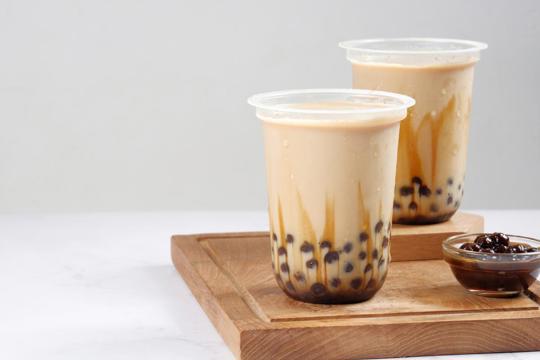
Milk Tea is a popular beverage with a delicious combination of tea and milk.
Make it by brewing tea leaves or bags in hot water, then add milk, sweetener, and any flavorings you want.
Enjoy it hot or cold - creamy and flavorful.
Many variations and flavors make Milk Tea a favorite amongst tea-lovers.
Bubble Milk Tea has tapioca pearls, and Matcha Milk Tea has powdered green tea.
Get creative - customize with sweeteners like honey or sugar, plus toppings like boba, grass jelly, or pudding.
Make your own personalized version.
This pleasant drink is popular around the world - it originated in Taiwan.
There are so many options - classic black tea, exotic fruit-flavored blends - find one to suit your palate.
What is Thai Tea?

Thai tea is a flavorful drink from Thailand.
It's well-known for its sweet, creamy taste and striking orange hue.
This unique beverage is made by brewing black tea leaves with spices such as star anise, tamarind, and cardamom.
Then, condensed milk or evaporated milk is added, creating the signature creamy texture.
The blend of black tea and spices gives Thai tea a distinctive flavor.
Adding condensed milk or evaporated milk adds sweetness to balance out the strongness.
Thus, this unique combination creates an indulgent treat.
As well as being delicious, Thai tea has health advantages.
Black tea is packed with antioxidants, which support heart health and immunity.
The spices may also bring benefits, such as improved digestion and reduced inflammation.
This tea has multiple presentation options too.
Enjoy it hot or cold - cool Thai tea is perfect for a hot summer day, while hot Thai tea is ideal for chillier weather.
Differences Between Milk Tea and Thai Tea

Milk tea and Thai tea may look alike but have distinct differences.
Origin and Cultural Background
Milk tea and Thai tea have different roots.
Milk tea has a British colonial past, while Thai tea is traditional to Thailand.
Preparation and tastes differ too.
Milk tea was popularized by British people who drank black tea with milk.
Now, it comes in different versions, e.g. bubble tea and Hong Kong-style.
To make milk tea, tea leaves are steeped in hot water, milk or cream is added, and it's sweetened with sugar or condensed milk.
Thai tea is important to Thai culture and cuisine. It's often had iced in the hot climate.
It has an orange colour from black tea leaves and spices like star anise and tamarind.
It's usually made with sugar or condensed milk and served over ice.
Taste-wise, milk tea is creamy due to dairy, while Thai tea has a bold, spiced flavour with a hint of vanilla.
Ingredients Used
Milk tea and Thai tea differ due to ingredients.
Black tea is the base of both, but then they diverge.
For milk tea, cream or milk, plus sweetener, and spices like cinnamon or cardamom, are added.
Depending on the tea leaves used, the flavor changes.
Thai tea stands out with a bright orange color and strong sweetness.
It consists of black tea and spices like star anise, tamarind, and vanilla.
Condensed or evaporated milk create a creamy texture.
Natural additives or food coloring give it its hue.
Milk tea is milder, and Thai tea bolder due to spices and dairy.
Understanding each beverage's unique ingredients allows you to appreciate them better.
Next time you enjoy them, consider how each ingredient contributes to the flavor.
Flavor and Taste Profile
Milk tea and Thai tea- two popular beverages that have gained quite a considerable amount of fame in recent times for their tempting flavors.
While both drinks contain tea as the primary ingredient, there is a world of difference in the flavors and taste profile of each.
Milk tea, as the name suggests, is infused with milk, lending it a creamy and sweet taste.
On the other hand, Thai tea is a blend of black tea, spices, and sweetened condensed milk, making it a flavorful and bold concoction.
The unique combination of star anise, cardamom, and cinnamon in Thai tea offers a spicy and exotic twist to the traditional tea flavor.
While milk tea remains a classic favorite, Thai tea has a distinctive and unforgettable flavor that is an absolute must-try for anyone looking to explore the world of tea beyond the ordinary.
Preparation Method
Time to make some yummy milk tea or Thai tea.
Here's a step-by-step guide.
First, get the needed ingredients.
Milk tea requires tea leaves or bags, water, milk, and sweetener.
For Thai tea, you'll need Thai tea leaves or mix, water, condensed milk, and ice cubes.
Boil water in a saucepan or kettle, then remove it from heat and add the tea.
Let it steep for a few minutes, then strain it out.
For milk tea, add the milk and sweetener.
Stir and dissolve everything.
For an iced version, put it in a glass with ice cubes.
Milk tea is creamy, and you can adjust the milk and sweetener to your taste.
Thai tea has a bright orange color from the Thai tea leaves or mix, which contain food colorings like annatto seeds and artificial dye.
Now you have enough knowledge to find your perfect cup of tea.
Have fun experimenting with different ingredients and techniques.
Similarities Between Milk Tea and Thai Tea
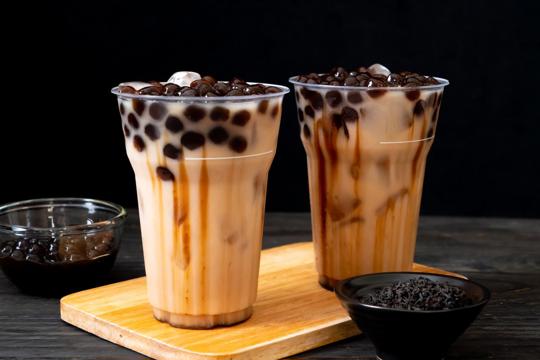
Milk tea and Thai tea have many things in common.
Tea leaves, creamer, and sweeteners are often found in both.
Plus, they can be served hot or cold.
Still, there are differences.
Thai tea is usually orange due to added spices like star anise and tamarind.
Milk tea, though, can come in flavors like matcha or taro.
These variations give each drink a unique taste.
Milk tea and Thai tea are equally pleasant.
Variations and Regional Adaptations
Milk tea and Thai tea have plenty of regional variations, each offering a unique twist.
Hong Kong-style milk tea is creamy and sweet.
Thai iced tea has a bold spiciness.
Taiwan's bubble tea stands out with its tapioca pearls.
India's masala chai is aromatic.
These variations show the creativity and adaptability of cultures when it comes to drinks.
You can explore the world of milk teas and Thai teas - from Japanese matcha to Vietnamese cà phê sữa đá.
A captivating story awaits.
Pairings and Serving Suggestions
Pairings and Serving Suggestions are key to enhance Milk Tea and Thai Tea experiences.
They have two different flavors that go well with different foods.
For example, Milk Tea is best enjoyed with pastries, cookies, samosas, or spring rolls.
Its creamy texture and sweet taste balance the richness of these foods.
Whereas, Thai Tea pairs great with spicy or tangy dishes like Thai curry, Pad Thai, and Tom Yum soup.
Also, Milk Tea and Thai Tea can be served differently.
Milk Tea can be hot, in a teacup or mug with saucer and teaspoon.
You can top it with milk foam or sprinkle cinnamon.
Alternatively, Thai Tea is traditionally served over ice in a tall glass or mason jar.
It looks more colorful with boba pearls or layered over ice cream.
It's up to you to decide between Milk Tea and Thai Tea.
They both offer something special.
So, why not try them next time you're at a tea shop or café?
Key Takeaways on Milk Tea and Thai Tea
Milk Tea and Thai Tea have many differences in terms of flavor and taste profile.
The roasted, black tea flavor of Thai Tea cannot be compared with the milkier, more sugary taste of Milk Tea.
The respective sweetness levels are worlds apart as well; where quick and light sweetness is found in Milk Tea due to added sugar and condensed milk, a richer and bolder taste profile is present in Thai Tea due to the use of regular cow's milk or cream.
Ultimately, it truly depends on the type of tea drinker you are - if you are looking for something delicate but refreshing, give Milk Tea a try.
On the other hand, those who crave an intense flavor when it comes to tea should steep into savoring every sip of Thai Tea.
Whether hot or cold, these two teas have made it clear that there are many different paths one can choose when it comes to finding the perfect unique cup of joy.
Fact Checked:
Content is rigorously reviewed by a team of qualified and experienced fact checkers. Fact checkers review articles for factual accuracy, relevance, and timeliness.
Frequently Asked Questions
The main difference between milk tea and Thai tea is in the type of tea used. They share some similarities but each has qualities that make it better suited for certain recipes.
They can stand in for each other in a pinch. Milk Tea and Thai Tea overlap in some uses, but the flavor or texture will shift.
Adjust quantities to taste.
Shelf life differs based on processing and packaging. One often keeps longer unopened, while the other may need refrigeration or faster use after opening.
Which one is more forgiving in recipes?
One tends to perform more consistently across a range of cooking methods, making it the safer choice when experimenting.
The other delivers stronger results in specific applications.