
Summary of key points
The primary distinction between turbot and flounder is in their species and habitat. Turbot is a species of flatfish primarily found in North Atlantic waters, known for its large size and firm, flavorful flesh.
Flounder, on the other hand, includes a group of flatfish species that inhabit a wider range of waters, including the Atlantic and Pacific Oceans, and are generally smaller with a more delicate taste and texture.
Ever find yourself standing in the seafood aisle, staring down at turbot and flounder, absolutely stumped? We've been there.
What's the big deal, right? They're both flat, they both live in the ocean, and heck, they both taste good.
Yet, here we are, scratching our heads.
The recipe called for turbot. I brought flounder.
T4Epic fail? Not really, but everyone acted like I'd brought a raccoon to a cat party.
Here's the scoop: Turbot and flounder aren't the same.
And we're about to deep-get into what sets them apart. No more seafood standoffs.
Got your snorkels ready? Let's go.
What is Turbot?
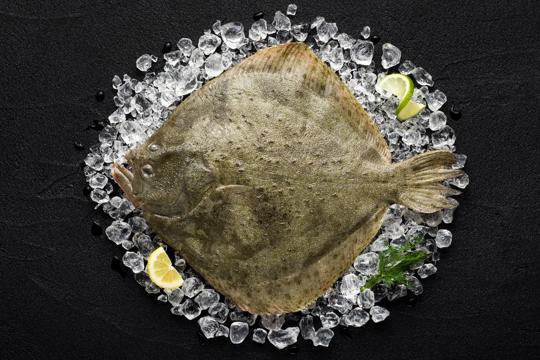
Turbot is a flatfish with a unique look and flavor.
It's known for its firm texture and mild taste, and its diamond-shaped body and white underside make it easy to identify.
This species usually weighs 4 to 5 pounds, and can reach up to 35 inches long.
It's mainly found in the North Atlantic Ocean and Mediterranean Sea.
Turbot is also packed with nutrition.
It's full of protein, omega-3 fatty acids, and lots of vitamins and minerals.
These nutrients are great for supporting your health - brain function, heart health, and immunity.
Turbot has a subtle flavor that pairs well with different ingredients and seasonings.
Its meat holds up during cooking, like grilling, roasting, and poaching.
This makes it great for everyday meals and fancy gourmet dishes alike.
What sets turbot apart from other types of flatfish, like flounder, is its flavor.
Flounder tastes mild with a hint of sweetness, but turbot is more flavorful.
Plus, it's slightly oily, which improves recipes.
If you're a foodie, try some delicious turbot.
It's got taste, texture, and versatility that you won't find in other seafood.
Surprise your guests with a gourmet dish and add some juicy turbot to the menu.
Because turbot's subtle flavor pairs well with bright elements, a quick look at lemon dessert pairing ideas can inspire complementary citrus uses in savory and sweet contexts.
What is Flounder?
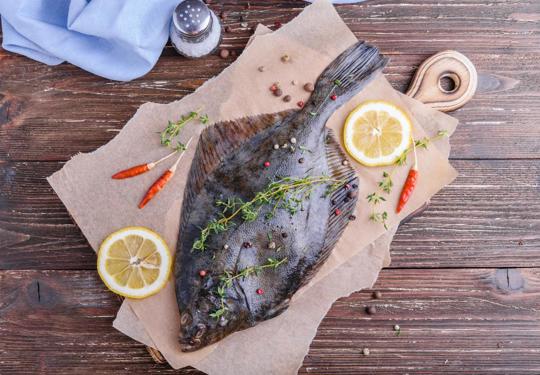
Flounder are finned friends from the flatfish family.
Uniquely, they have a flattened and elongated body.
Both eyes on one side, it's unlike other fish.
They're mainly found in oceanic waters and are able to adjust to various environments.
Soft texture and delicate flavor make them popular in many cuisines.
Despite similar looks, flounder have individual qualities that differ from other flatfish species.
For casual meals where flounder is served with dips or chips, guacamole pairing ideas for dishes show versatile combos that also work with mild fish.
Differences Between Turbot and Flounder
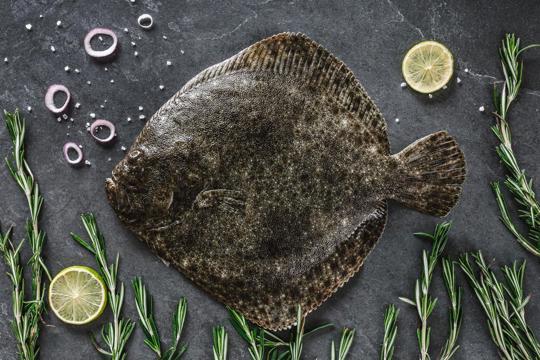
Turbot and flounder may seem identical - but there are some key differences, including how they compare to sanddabs vs flounder comparison in size and habitat.
1 - Appearance and Shape
Turbot and flounder stand out from one another in both their looks and shape.
Turbot has a rounded body with a diamond-shaped flat head and is symmetrically bilateral.
Flounder, however, is more oval-like and asymmetrical.
Also, turbot's skin is smooth and has small scales, whereas the skin of flounder feels like sandpaper.
These distinct qualities show the stark contrast between the two species.
2 - Flavor and Taste
Turbot and flounder have distinct features when it comes to flavor and taste.
Turbot has a delicate flavor with a sweet hint - see an extract vs flavor comparison for taste clarity.
Its flesh is firm yet tender - great for cooking.
Flounder has a subtle taste with a nutty hint.
Plus, its texture is softer than turbot, making it smooth when cooked.
These differences make both fish popular seafood picks.
3 - Habitat and Distribution
Turbot and flounder may look alike. But they have different homes and distributions.
Turbots like sandy areas in shallow waters.
Flounders can be seen in a variety of habitats, like muddy estuaries and rocky sea beds.
These variances show their special preferences and changes to fit their habitats.
Also, turbot mainly live in the North Atlantic Ocean, whereas flounders are found worldwide.
Knowing these variations in habitat and distribution can help us understand the ecology and behavior of these amazing flatfish species.
4 - Culinary Uses
Turbot and flounder have special culinary uses that highlight their special features.
These delicious seafood options give a range of possibilities in the kitchen.
Their mild tastes make them ideal for easy preps like pan-frying or grilling.
Turbot's firm flesh and sweet taste makes it great for fancy dishes like turbot en papillote or beurre blanc sauce.
Flounder's soft texture and mild taste mean it is good for different cuisines.
It can be used in Asian stir-fries or American fish tacos.
Flounder's flexibility lets it be cooked in many ways.
Baking is another way to bring out the natural flavors of both turbot and flounder.
A tasty marinade or herbs and spices before oven-cooking can make a yummy dish.
Both turbot and flounder also work great in soups and stews.
Their gentle tastes combine with rich broths and other ingredients.
Whether it's a seafood chowder or bouillabaisse, these flatfish add flavor to any soup.
In short, turbot and flounder have lots of culinary possibilities due to their special features.
From simple preps to complex dishes, their flavorful flesh can be enjoyed in many ways.
So why not try these flexible flatfish and make your creations special?
Similarities Between Turbot and Flounder
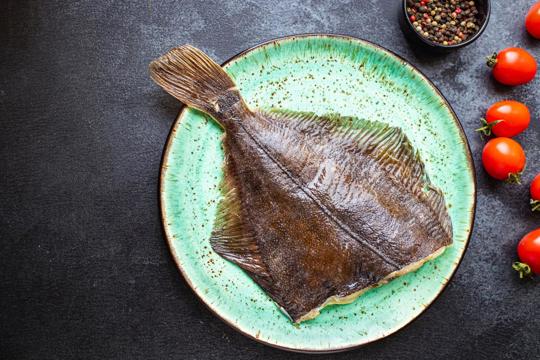
Turbot and flounder are alike in many ways.
Both belong to the same family and have a flat body shape.
They're great at camouflage and live on the bottom of sandy or muddy ocean floors.
Diet-wise, they're omnivores, eating small fish, crustaceans, mollusks, and even plants.
They also have a similar spawning process, releasing eggs externally into the ocean.
However, there are some differences.
Turbots have larger mouths and eyes than flounders.
Plus, their coloration is more bright with dark spots or blotches on their olive-brown bodies.
Fascinating creatures to study, indeed.
When serving either fish whole or stuffed, consider stuffed flounder side dish ideas that complement delicate textures and mild flavors.
Cooking Turbot and Flounder: Best Practices
Cooking turbot and flounder? Make sure to buy your fish from a reputable source.
For flavor, choose your cooking method - baking or steaming for delicate taste, grilling for smoky.
Enhance flavors with simple seasonings - salt, pepper, and lemon juice.
Don't forget the cooking time - not too long nor too short - for a delicious dish.
Freshness is key when cooking these delicate fishes.
For balancing acidity or a touch of depth in sauces and pan finishes, consult a white cooking wine vs white wine vinegar guide to pick the right option for delicate fish.
Nutritional Comparison
Turbot and flounder are two popular flatfish, with a similar appearance.
But their nutrition differs in some ways, making them special choices for a balanced diet.
Both these fish provide lean protein.
Turbot has more protein than flounder.
Protein is important for our body's growth and repair.
Both turbot and flounder are rich in omega-3 fatty acids.
This type of fat can help protect hearts and reduce inflammation.
But turbot contains slightly more of it than flounder.
Vitamin-wise, turbot has more of vitamins B12 and D than flounder.
Vitamin B12 supports nerve health and makes red blood cells.
Vitamin D helps keep bones healthy.
Turbot is also higher in minerals like magnesium and phosphorus.
Magnesium helps with muscle contractions and nerve function.
Phosphorus helps with bones and teeth.
The nutritional comparison between turbot and flounder shows why they're unique.
Whether you prefer the increased protein of turbot or the omega-3 content of flounder, both are good options for a healthy diet.
If looking for savory, non-meat flavor boosts to pair with fish dishes, a nutritional yeast taste guide explains flavor profiles and how it behaves in cooking.
Culinary Differences Between Turbot and Flounder
After exploring the difference between turbot and flounder, it's easy to see why there is some confusion.
Both are white, flat fish that are relatively mild in flavor.
Size and texture vary across species though, which is why it can be difficult to distinguish between them without an experienced eye.
Knowing how to recognize the difference can also help ensure you don't accidentally consume a species of either fish affected by health advisories or catch restrictions.
Ultimately, it's good practice to become aware of potential contaminants in any seafood so that your consumption of them will be as safe and enjoyable as possible.
Regardless of whether you choose to purchase turbot or flounder at your local seafood market or grocery store, there are plenty of delicious recipes out there for both types of fish.
From hearty stews to flavorful fillets, you'll be sure to find something that fits your taste.
Flounder works well with light, bright sides. flounder side dish suggestions lists complementary vegetables and grains. For stuffed or baked preparations, stuffed flounder side dish ideas highlights hearty options that hold up to richer fillings.
Frequently Asked Questions
The primary distinction between turbot and flounder is in their species and habitat. They share some similarities but each has qualities that make it better suited for certain recipes.
It depends on the dish. Turbot and Flounder share some overlap, but each shines in different preparations.
Swapping works best in forgiving recipes like soups or stews.
Pricing varies by brand and region, but one is typically more accessible at everyday price points. The other may cost more due to specialization or limited supply.
Is there a best time to use each one?
One shines in applications requiring subtlety and background support.
The other is better when it is meant to be a center.
Matching the right one to its role makes a noticeable difference.