
Pickling lime and alum may sound like a duo from a science experiment rather than your kitchen shelf.
Yet, here we are, about to dive deep into their differences. Pickling lime is a superstar in crunching up those pickles.
Alum, on the other hand, keeps things crisp without the fuss. Ever wonder why grandma's pickles always had that perfect snap?
Yup, one of these was her secret.
We've all had that moment of confusion at the grocery store. Lime or alum?
Now, we're laying it all out in simple terms.
What is Pickling Lime?
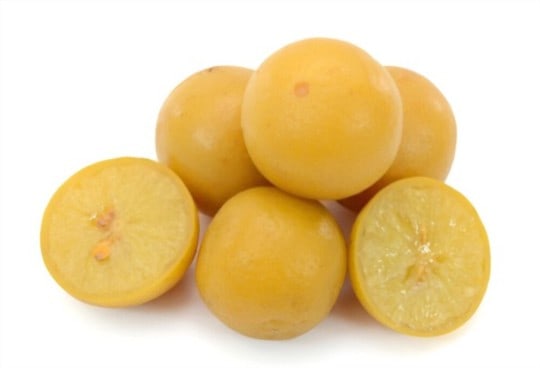
Pickling lime is a food additive. It is made from limestone and is highly alkaline.
Pickling lime is added to water, creating a pickling solution - compare pickling salt vs kosher salt comparison for how salt choices affect brines.
What makes this additive unique is its ability to make vegetables crunchier.
It does this by breaking down the pectin.
But, don't confuse pickling lime with hydrated or agricultural lime.
These are not safe to eat and can be dangerous if ingested.
What is Alum?
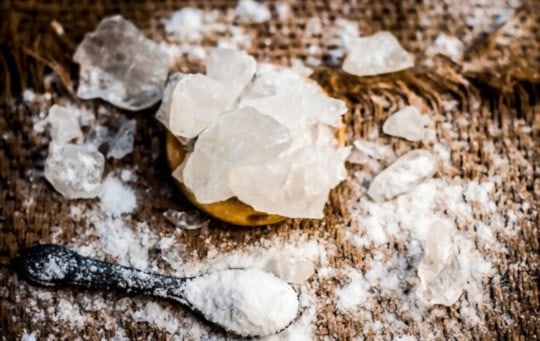
Alum is a compound.
It's a colorless, odorless powder.
For centuries it's been used as a natural deodorant, disinfectant, and antiperspirant.
It helps control the acidity in pickles and preserves, making them safe to eat.
In the dyeing industry, it's used as a mordant.
It helps fix dye onto fabrics with strong chemical bonds, which makes it great for eco-friendly dyeing.
Medicinally, it's used to treat canker sores, bleeding gums, and sore throats because it's antibacterial.
It's also used to purify water and make paper products.
Be careful when handling alum.
If it's ingested or inhaled, it can be harmful.
Always take proper safety precautions.
Differences Between Pickling Lime and Alum
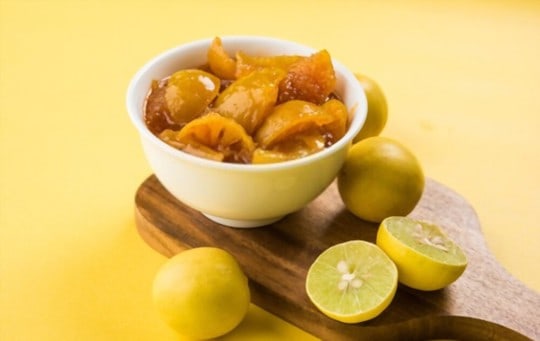
Pickling lime and alum are two substances used in preserving and pickling food.
They differ in their chemical composition and function - for another look at how acidity and freshness change outcomes, read fresh lime juice vs bottled lime juice comparison.
Pickling lime is calcium hydroxide and is mainly for keeping pickles crispy.
Alum is an acidic compound of aluminum and potassium that makes fruits and veggies crisp, and also preserves them.
1 - Purpose in Pickling
Pickling has been a method of food preservation for centuries.
Picklers have two common ingredients to choose from: pickling lime and alum.
What's the difference?
Pickling lime, also known as calcium hydroxide, can add crispness and firmness to vegetables.
It breaks down pectin, a natural compound that softens produce when heated.
Alum is a salt that preserves and firms veggies.
It creates an acidic environment that stops bacterial growth and preserves firmness.
Similar, pickling lime and alum have different features.
Pickling lime is alkaline and can change taste and texture if not used correctly.
Alum is acidic and can be dangerous if consumed in large quantities.
Be cautious when using either ingredient.
Follow package instructions or consult a trusted source.
Ultimately, picklers should consider flavor, texture, and safety when selecting ingredients for their recipe.
Pickling lime or alum: it's up to you.
Different pantry staples serve different roles; for a similar look at how small ingredient swaps affect texture and use, see plain flour vs all-purpose flour comparison.
2 - Chemical Composition
Pickling lime and alum are two substances usually used for food preservation.
However, they are chemically different.
Pickling lime is calcium hydroxide.
Alum is a hydrated potassium aluminum sulfate.
These differences influence their use in pickling and food prep.
Pickling lime is an alkaline that helps keep veggies crisp during pickling.
It breaks down pectin and reduces the acidity of fruits and vegetables.
Plus, it adds flavor.
Alum is usually used to crisp cucumbers and other veggies in pickling.
It binds with pectin to create a firm texture.
Incorrect use of these substances may be hazardous to health.
Pickling lime can cause chemical burns if it comes into contact with skin or eyes.
Alum can lead to toxicity symptoms if taken in large amounts.
These may include stomach pain, nausea, vomiting, or even neurological symptoms such as seizures.
3 - Safety and Health Considerations
Safety and health are key when it comes to pickling with lime or alum.
Pickling lime is made of calcium hydroxide and can be dangerous if too much is eaten.
Alum contains aluminum, which can build up in the body and cause health issues.
To stay safe, it's important to wear protective gear and have proper ventilation while using these substances.
Also, do not eat food that hasn't been prepared correctly with either of these ingredients, as it could bring about severe health risks.
4 - Effects on Texture and Taste
The choice of pickling lime or alum can have a major impact.
Pickling lime is food-grade calcium hydroxide and creates a mild flavor with a firm texture - for another flavor profile example, see what does acai berry taste like.
Alum is acidic and produces a crisp texture but has a bitter taste.
Pickling lime disrupts pectin in fruits and veggies, resulting in a firm texture.
Alum draws out moisture, creating a crisp texture, although it can be tough if used incorrectly.
Pickling lime has a neutral flavor.
Alum, however, adds an unwelcome bitter flavor as it is acidic.
It's important to be careful with both pickling agents.
Measurements should be followed as too much can be dangerous.
Ultimately, pickling lime or alum is a personal preference.
Similarities Between Pickling Lime and Alum
Pickling lime and alum are two substances used in food preservation and pickling.
Both help make crisp texture and preserve fruit and veggie color - a similar choice between brighteners is shown in lime vs lemon: which should you choose.
They are similar in that they are firming agents and stop microbial growth.
They also have similar chemical properties.
But, there are also differences.
Pickling lime is calcium hydroxide which gives food a bitter flavor if not rinsed off before eating.
Alum has no flavor and preserves colors better.
Both are safe when used properly, but alum can cause health trouble when taken in large amounts.
This has made some people prefer pickling lime.
Choose either one based on your personal preference and consumption safety.
Follow instructions for optimal results.
Common Uses in Food Preservation
Pickling is a popular choice - and for another look at tool choices that affect preserved textures, check food mill vs ricer: which is better.
Two substances that are used for this purpose are lime and alum.
Pickling lime is also called calcium hydroxide.
It makes firm pickles like cucumbers and removes any bitterness.
Alum is potassium aluminum sulfate.
It makes fruits and veggies like peppers and watermelons more crisp.
Be aware that too much exposure to either substance can harm your health.
Use them as recommended.
Additional Considerations for Pickling Lime and Alum
Pickling lime and alum are two common options for pickling.
It's smart to understand the distinction between them.
Pickling lime keeps fruit and veg fresh and crisp, while alum is a preservative and can boost flavor.
But, there are other points to ponder - plus ideas for flavor swaps are listed in 5 BEST substitutes for pickling spice.
Safety should be taken into account - pickling lime is safe to eat, while too much alum isn't great for your health.
And, cost is a factor - both are cheap, however alum might be a bit pricier.
You must also think about the pH level when deciding between the two.
Pickling lime raises the pH level for low-acidic foods like cucumbers.
Alum lowers the pH and can be used with almost any food.
The choice between the two will depend on many factors such as safety, cost, flavor, and pH level.
Maybe try using each of them separately or together in different recipes to see which one works best for you.
When to Use Pickling Lime or Alum
There's debate over alum or pickling lime.
Both have advantages and disadvantages.
It depends on the individual's preference and what's being pickled.
The choice between alum and pickling lime depends on the person and what they're pickling.
Alum maintains texture and color while lime makes cucumbers crispier.
It's important to handle both chemicals safely and follow instructions for homemade pickle recipes.
Spice up recipes with citrus alternatives: spice up recipes: 5 BEST substitutes for lime and explore aromatics swaps with 5 BEST substitutes for kaffir lime leaves.
Frequently Asked Questions
Differences Between Pickling Lime and Alum Pickling lime and alum are two substances used in preserving and pickling food. They share some similarities but each has qualities that make it better suited for certain recipes.
Beginners often find Pickling Lime more forgiving. Alum requires a bit more attention but rewards you with distinctive results once you get the hang of it.
Shelf life differs based on processing and packaging. One often keeps longer unopened, while the other may need refrigeration or faster use after opening.
One tends to perform more consistently across a range of cooking methods, making it the safer choice when experimenting. The other delivers stronger results in specific applications.