
In the kitchen showdown, it's cardamom seeds versus pods. We're here to crack this case wide open.
Bold flavor choices lead to epic kitchen triumphs.
Ever tried cracking a cardamom pod? It's like unlocking Pandora's box, but for your nose.
Seeds, on the other hand, are the secret weapon you didn't know you needed.
We've been there, spoon in hand, deciding our fate. It's part science, part magic.
Seeds or pods?
Your dish's soul hangs in the balance. Stand by as we dish out the scoop.
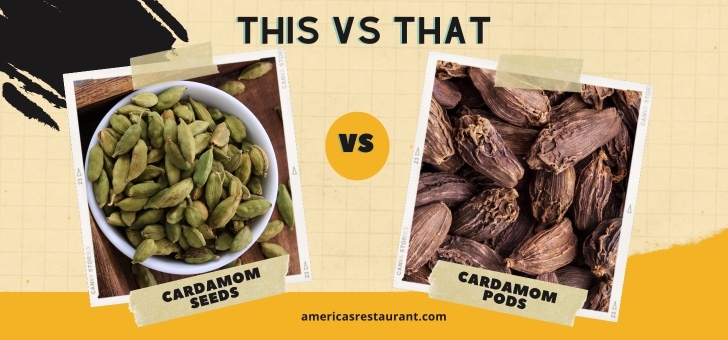
What is Cardamom?
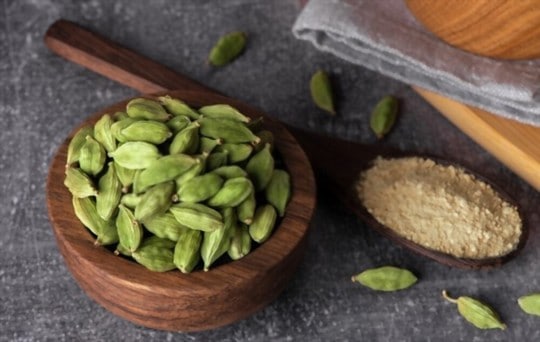
Cardamom is a popular spice that is widely used in cooking and traditional medicine.
Its distinctive flavor and aroma make it a favorite ingredient in many recipes.
Cardamom comes from the seeds of plants belonging to the Zingiberaceae family.
The dried fruits of these plants are used for cooking, while the seeds are popularly used for medicinal purposes.
When using cardamom for cooking or medicinal purposes, one may wonder whether to use cardamom seeds or pods - consider flavor pairings like those listed in what pairs with lemon in desserts when planning sweet recipes.
Both have their unique advantages and disadvantages.
Cardamom pods are more expensive than seeds due to their stronger flavor, but they can provide better results when using whole cardamom in dishes like Biryanis or as a garnish on desserts.
On the other hand, cardamom seeds can be bought at a lower cost and are useful when grinding spices at home.
It's good to note that some people prefer using one over the other based on their individual preferences and requirements.
Nevertheless, both seed and pod forms carry similar health benefits being rich in antioxidants.
Cardamom, irrespective of its form is an essential kitchen staple to add depth and complexity to various treats that one might want to serve for any occasion - be it sweet or savory dishes.
Cardamom Seeds: Overview and Characteristics

Cardamom seeds possess unique characteristics that make them a desirable choice for cooking and medicinal purposes.
These small but mighty seeds boast a pungent, sweet, and slightly citrusy flavor that blends well with cinnamon and ginger.
They are obtained from cardamom pods, which come from the Elettaria and Amomum plants - see a black vs green cardamom comparison for type differences.
Unlike pods, cardamom seeds can be easily ground and added to dishes for enhanced flavor.
Also, they have long been used in traditional medicine to promote digestion, reduce inflammation, and improve oral health.
Cardamom Pods: Overview and Characteristics

Cardamom pods are an integral part of culinary and medicinal practices globally - compare how they differ from similar spices in a cardamom vs nutmeg comparison.
These small, oval-shaped green pods contain numerous tiny seeds that have a distinct flavor and aroma profile, making them a popular ingredient in several dishes like curries, stews, and baked goods.
The aromatic properties of the pod come from its volatile oils right within the pod walls.
They have anti-inflammatory and antimicrobial properties that relieve digestive issues.
Also, they also aid in detoxification by flushing out toxins from the body.
Differences Between Cardamom Seeds and Pods

Cardamom is a versatile spice that can be used in various dishes to enhance their flavors.
Before using it, you need to know the differences between cardamom seeds and pods - similar seed comparisons like pepitas vs sunflower seed differences can clarify seed-versus-pod choices.
While both can add depth and aroma to your dishes, each has its unique properties.
Cardamom pod is the fruit of the plant and contains tiny seeds inside.
The outer shell is either green or brown, depending on the type of cardamom.
Its flavor is mainly sweet with a hint of spice, perfect for baked goods and desserts.
On the other hand, cardamom seeds are the small black beads found inside the pod.
Its flavor is usually more intense and spicy than sweet which makes it ideal for savory dishes.
Also, when choosing between seed or pod form, keep in mind that the seeds lose their potency more quickly than whole pods.
Also, it's easier to regulate the amount of seasoning if you're using whole pods since they can be removed from a dish before serving.
In contrast, grinding cardamom seeds releases their oils which adds flavor but reduces shelf life.
So choose wisely based on your needs and storage capacity.
Appearance and Texture
The physical properties of Cardamom seeds and pods can affect the flavor, aroma, and texture of dishes.
While both contain small black seeds, they differ in appearance and texture.
Pods are green and elongated while seeds are tiny, black, and angular in shape.
The texture of pods is tough but brittle while that of seeds is crunchy and slightly oily.
These unique characteristics make each an excellent option for specific culinary purposes.
Flavor and Aroma
The Cardamom aroma and flavor vary depending on the part of the plant used.
The seeds are highly aromatic and contain essential oils that give them a strong, sweet, and spicy flavor.
Also, ground cardamom seeds have an even more intense aroma than the pods.
On the other hand, when using whole cardamom pods, you achieve a milder but balanced taste with hints of citrus and mint compared to the harsher oil from seeds alone.
For best results in cooking or baking, consider what dish you're creating and decide whether using seeds or pods would be most suitable for your recipe - for more on concentrated versus natural taste, see extract vs flavor differences explained.
Convenience and Usage
Both the seeds and pods are commonly used in cooking.
However, which one is more convenient and practical for daily use?
- Pods provide a longer shelf-life than seeds as they stay fresh for up to a year.
- Seeds allow for a more potent flavor as they can be freshly ground before use.
- Pods are easier to handle and require less preparation, making them a better option for those who want to save time.
While both options have their advantages, the choice ultimately depends on personal preference and usage frequency.
It may be best to stock up on pods if you plan on using cardamom sparingly over an extended period or prefer quick and easy preparation.
On the other hand, if you frequently cook with cardamom and enjoy experimenting with various spice mixtures, investing in high-quality seeds may produce more satisfying results.
Similarities Between Cardamom Seeds and Pods
Cardamom Seeds and Pods share some similarities in terms of their usage as spices and nutritional benefits.
They both have a strong aroma and flavor, making them popular ingredients in several cuisines worldwide - compare other seed pairings in a black vs brown mustard seed comparison.
Also, they are known for their medicinal properties such as aiding digestion and improving respiratory health.
Both seeds and pods also contain essential oils that provide anti-inflammatory, antibacterial, and antioxidant properties.
The decision rests on one's preference for taste and convenience.
While Cardamom pods are often used in dishes for their unique taste and fragrance, seeds are a more practical option since they can be easily added to recipes without having to remove the outer pod shell.
Also, cardamom seeds tend to be less expensive than pods since the latter requires additional processing.
Cardamom seeds come from inside the pod itself, so they offer similar flavors but with a slightly different intensity level than whole cardamom pods.
Also, while both Cardamom Seeds and Pods have similar nutritional profiles (low calorie, high fiber), using freshly ground cardamom seeds offers more health benefits since the nutrients are better preserved in whole form.
Culinary Uses and Recipes with Cardamom Seeds and Pods

Cardamom, a fragrant spice common in Indian cuisine, is available in both seed and pod forms - for another look at whole spice versus seed use, see celery seeds vs celery comparison.
Both cardamom seeds and pods are used in various culinary applications to add flavor and aroma to dishes like curries, stews, and desserts.
The choice of using seeds or pods depends on the recipe's requirements, personal preferences, and availability.
Cardamom pods are commonly used by chefs because they release aromatic oils that can improve the dish's flavor.
To use cardamom pods in recipes, one must first crack them open to extract the seeds stored inside.
These green seeds exude intense sweet, floral notes with a hint of citrus that pairs well with both sweet and savory dishes.
On the other hand, cardamom seeds are more potent than the pods with an intense flavor that features notes of earthy sweetness.
When using cardamom in cooking recipes with milk or cream bases such as Chai tea or rice pudding, chefs prefer whole cardamom pods since they impart their flavors slowly over time.
In contrast, finely ground or crushed seeds are perfect for adding a strong punch of flavor essential for some recipes like baked goods.
To increase the shelf life of this valuable spice, it is advisable to buy whole unpodded green cardamom pods rather than pre-ground ones that lose flavor faster.
However you decide to use cardamom in your cooking recipes, either via its whole pod or through its extracted seed form, it adds an extra dimension of taste to any dish it encounters.
Storage and Shelf Life
Cardamom storage and shelf life greatly affect the quality of its flavor and aroma.
Depending on your preferences, you can choose to store cardamom seeds or pods.
Both options have different shelf lives and ways to prolong them.
Dry seeds can last up to a year in an airtight container stored in a dry and cool place away from sunlight.
In contrast, cardamom pods have a shorter shelf life that ranges between six months to one year when kept whole, and up to two years when grounded or crushed.
To extend the shelf life of either option, storage conditions play an essential role.
Cardamom should not be exposed to moisture as it can cause mold growth and make them unusable.
It's best to keep them away from heat, light, and air exposure by storing them in opaque containers with tight-fitting lids.
When you're ready to use either cardamom option, it is recommended that you smell and taste-test if it has lost its flavor intensity before adding it into recipes.
Grinding or crushing your own pods or seeds gives way more excellent control over their flavors than buying pre-ground cardamom.
Overall, keeping cardamom fresh with optimal texture, aroma, and flavor comes down to proper storage practices.
Storing them correctly will allow you to enjoy all their intended benefits while minimizing any potential adverse effects that come with improper storage conditions.
Cardamom Seeds vs Pods Flavor and Use
Comparing cardamom seeds and pods, it is evident that the latter is a better option.
Pods contain more flavor, aromatic compounds, and essential oils than the seeds.
Despite their higher price point, they are still a worthy investment due to their superior quality.
Also, pods can be reused by simply crushing them before use.
Using both pods and seeds in cooking can produce an even more complex and layered flavor.
However, if you have to choose one over the other, opt for the pods.
Their versatility and ability to be reused make them a better choice compared to seeds.
Frequently Asked Questions
Its distinctive flavor and aroma make it a favorite ingredient in many recipes. They share some similarities but each has qualities that make it better suited for certain recipes.
Sometimes. Cardamom Seeds works where Pods is called for in certain dishes, but not all.
Check whether the recipe relies on a specific quality before substituting.
Cold preparations like salads and dressings often favor the option with a sharper, more defined flavor. Heat can mellow both, so the distinction matters more in uncooked dishes.
Do professional cooks prefer one over the other?
Professional preference depends heavily on the dish and cuisine style.
Each has its context where it outperforms the other, so most experienced cooks keep both on hand.
Some spice pairings share similar roles in recipes. pimento seeds vs allspice comparison explores one such overlap. black vs white sesame seed differences shows contrasts useful when choosing a finishing seed.