
Do you know the difference between black mustard seeds and brown mustard seeds?
Your choice of which to use can make all the difference in your dishs.
Do you think they are one and the same? Not even close.
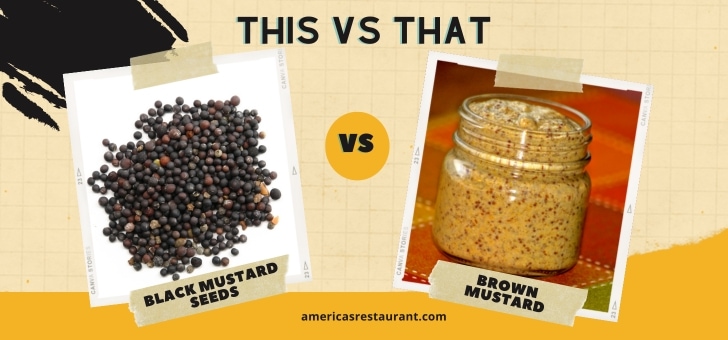
What are Black Mustard Seeds?

Black mustard seeds are an essential ingredient in Indian cuisine, often used in pickles, chutneys, and spice blends.
Although tiny in size, these seeds pack a strong punch of flavor and aroma.
They are often compared to their lighter colored counterpart, yellow mustard seeds, but have a sharper and more pungent taste.
Black mustard seeds are harvested from the annual mustard plant, which can grow up to six feet tall with tiny yellow flowers.
Once harvested, the seeds are dried and then used whole or ground into a fine powder for cooking.
What sets black mustard seeds apart from other spices is their ability to add complexity to any dish, whether it be a curry or a salad dressing.
Overall, black mustard seeds serve as an important ingredient in a variety of dishes and add a unique depth of flavor that is truly tempting to the palate.
For a closer look at how concentrated components differ from broader profiles, read extract vs flavor comparison for clarity on aroma versus taste usage.
For a different pantry comparison, see black vs green olives comparison to learn how two similar-looking ingredients can differ widely in flavor and use.
What are Brown Mustard Seeds?
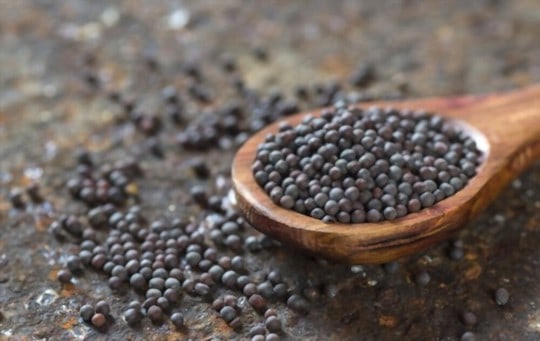
Brown mustard seeds are a versatile spice with a long history of culinary use.
These tiny seeds are known for their strong, pungent flavor and are commonly used in pickling, marinades, and spice blends.
Unlike their yellow counterpart, brown mustard seeds contain more oil and have a stronger flavor, making them a popular choice in Indian and Mediterranean cuisine.
When crushed or ground, these darker seeds release a unique aroma and add depth to dishes.
Brown mustard seeds are also rich in nutrients and have been used for their medicinal properties, such as aiding digestion and reducing inflammation.
With their distinctive flavor and impressive health benefits, it's no wonder brown mustard seeds have remained a staple in kitchens around the world for centuries.
For another sweet swap breakdown, check coconut vs brown sugar comparison to see how subtle differences change cooking results.
Differences Between Black Mustard Seeds and Brown Mustard Seeds
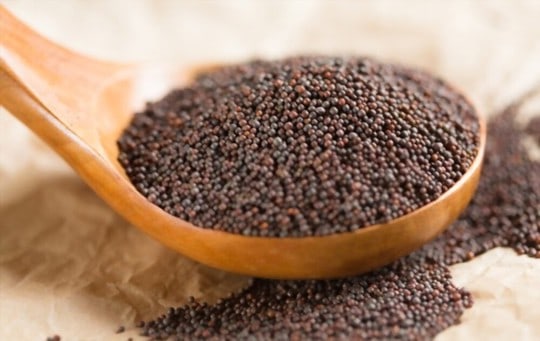
The variances between the black and brown mustard seeds are substantial.
Black mustard seeds have a more potent flavor and are commonly used in Indian and South Asian cuisine for seasoning dishes.
Brown mustard seeds, on the other hand, are less intense and possess a nuttier flavor.
Also, the mustard powders derived from each seed color vary significantly in consistency and taste.
The brown variety produces a smoother powder with a sweeter flavor that is ideal for making honey mustard sauce.
Conversely, the black variant's powder is grainy and perfect for creating whole grain mustard spreads alongside numerous fish delicacies.
A similar spice contrast is explored in black vs green cardamom comparison to illustrate how related spices can offer distinct aroma profiles.
Color and Appearance
The seeds of black and brown mustard plants have different colors and appearances.
The black mustard seeds are small, round, and dark in color, while the brown mustard seeds are slightly larger, oval-shaped, and light to dark brown in color.
Brown mustard seeds have a mottled appearance due to their outer layer.
Both black and brown mustard seeds are commonly used in cooking and alternative medicine due to their numerous health benefits.
It depends on personal preference and recipe requirements.
If you prefer a more pungent flavor with a stronger aroma, black mustard seeds might be the better choice for you.
However, if you want a milder taste with a subtle nutty flavor, you should opt for brown mustard seeds.
It is essential to note that both black and brown mustard seeds contain essential nutrients such as fiber, protein, and antioxidants that can improve digestion, reduce inflammation and boost overall health.
Also, each type of seed has its unique chemical composition that makes them ideal for specific recipes or medicinal purposes.
In summary, while both types of mustard seeds differ in color and appearance based on individual preferences and recipe requirements, choosing one over the other depends on various factors like flavor desired or recipe specifications.
flavor
Black mustard seeds and brown mustard seeds both boast a distinct, pungent flavor that improves dishes.
Black mustard seeds have a sharper taste with notes of bitterness, while brown mustard seeds are milder with a slightly nutty flavor.
Black mustard seeds are better for pickling and preserving due to their intensity and ability to retain their shape.
Meanwhile, brown mustard seeds are ideal for making mustard sauces and dressings due to their milder taste.
One important thing to note is that both types of seeds can be toasted before use, which can help bring out different flavors or reduce some of the bitterness from the black variety.
Overall, both black and brown mustard seeds can add unique dimensions of flavor to your dishes depending on how they are used.
Usage in Cooking
Mustard seeds are a popular spice in global cuisines and come in two different types: black and brown.
Both have distinct flavors, and choosing the right one depends on your recipe's requirement.
While brown mustard seeds are slightly bitter and earthier, black mustard seeds are sharper, spicier, and more pungent.
Brown mustard seed is commonly used in dishes like pickles, chutneys, and cheese dips.
Meanwhile, black mustard seeds are typically used in curries, sauces, and seasoning blends.
Apart from flavor differences, the texture also affects their usability in various dishes.
Black mustard seeds retain their shape when cooked while brown ones will dissolve into a paste-like texture when ground or toasted.
A related kitchen substitution guide is white cooking wine vs white wine vinegar comparison that explains how two similar liquids affect recipes differently.
Health Benefits
Black mustard seeds and brown mustard seeds are both popular spices in cuisines worldwide, but which one is better for your health?
- Black mustard seeds have high levels of minerals like calcium, iron, and magnesium. They also contain glucosinolates that help prevent cancer and promote cardiovascular health.
- Brown mustard seeds are rich in fiber, protein, and vitamins like vitamin A, C, K and E. Also, brown mustard seeds are an excellent source of antioxidants.
- Both types of mustard seeds possess anti-inflammatory properties that help fight off inflammation-related diseases.
- Although both black and brown mustard seeds have essential nutrients, if you're looking for spicier flavor with medicinal properties for colds and flu relief benefits, black mustard seeds are the ideal choice.
- Alternatively considered less spicy than their black counterparts, brown mustard seeds boast a milder flavor and offer reliable benefits such as improved digestion.
In terms of selecting between the two options based on nutritional value or benefit to human health there is no clear-cut winner.
Ultimately the choice between using black or brown mustard seed depends on personal taste preference as well as consideration of potential health advantages.
Similarities Between Black Mustard Seeds and Brown Mustard Seeds
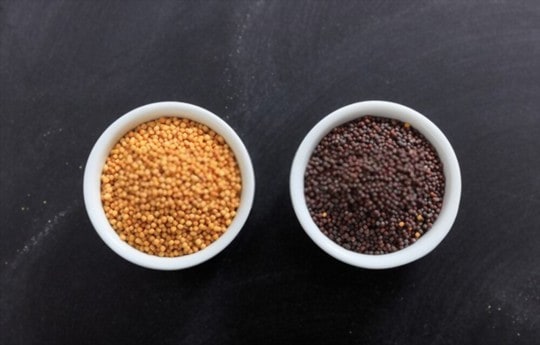
Black and brown mustard seeds share some similarities that make them versatile spices.
These two spices belong to the same family of plants, and they both originate from India.
They have a similar appearance, as both are small seeds with a dark brown or black exterior.
Also, they both have a pungent and spicy flavor with a slight bitterness.
Also, black and brown mustard seeds have similar health benefits.
They are known to have anti-inflammatory properties that can help reduce pain and swelling in the body.
They also contain high levels of antioxidants that protect the body against damage caused by free radicals.
Also, both types of mustard seeds are used in Indian cuisine, where they are added to curries, chutneys and pickles to enhance their flavor.
In addition to culinary use, these seeds are also used in Ayurvedic medicine for their therapeutic properties.
Overall, while there may be some differences between black mustard seeds and brown mustard seeds in terms of taste and texture, they share many similarities that make them valuable spices in any kitchen or medicine cabinet.
For another pair that share origins and uses, see black treacle vs molasses comparison for how related sweeteners compare in flavor and function.
Tips for Using Black and Brown Mustard Seeds

There are different types such as black and brown.
Understanding how to use them can add flavor to your cooking.
Here are some tips on using these mustard seeds in your cooking:
- Mustard seeds can be added to tempering oil before adding other ingredients, this releases their flavor.
- It is better to roast the mustard seeds before using them as it enhances their taste.
- The ratio of black versus brown mustard seed usage will vary depending on the recipe's requirement and individual taste preferences.
- When making pickles or chutneys, soaking the mustard seeds overnight softens them for a smoother texture.
While both mustard seed types have their unique flavors, choosing one can come down to personal choice and recipe requirements.
Yet experimentation with both in different dishes can lead to discovering new and exciting flavors you may not have considered before.
For guidance on picking between similar legumes, consult black turtle beans vs black beans comparison to see how small differences change cooking times and textures.
Differences Between Black and Brown Mustard Seeds
Although there are various types of mustard seeds, the most popular are black and brown.
After looking into their differences, it is clear that all mustard seeds have one thing in common, they provide a flavor like no other.
Both black and brown mustard seeds offer unique experiences and when paired with the right ingredients they can bring out a variety of flavors.
From their distinct appearances to their smell and taste, both types of mustards bring a unique addition to the cooking experience.
With the right balance of ingredients and preparation, each might be just what you need to make your meals memorable.
Frequently Asked Questions
Do you know the difference between black mustard seeds and brown mustard seeds? They share some similarities but each has qualities that make it better suited for certain recipes.
Often, yes. The two share enough common ground that most palates won't notice a swap.
Black Mustard Seeds is usually milder while Brown Mustard Seeds brings more intensity.
Nutritional differences exist but are often minor in typical serving sizes. Neither is universally healthier - it depends on what specific nutrients or dietary goals you are focused on.
Which stores better after opening?
Once opened, one keeps better in the refrigerator with proper sealing.
The other may oxidize or separate more quickly, so using it promptly or in smaller quantities works better.
Black tea and Earl Grey share a tea base but differ in flavoring. Black Tea vs Earl Grey: comparison of flavoring explains that distinction. Mushrooms with similar names can hide big differences; black fungus vs wood ear comparison outlines how texture and use diverge.