
In the showdown of spices, black cardamom pods and green take center stage. It's a kitchen debate as old as time.
T4We're here to crack this wide open.T5
Black pods pack a smoky punch; green brings a delicate touch. It's a flavor face-off.
We've wrestled with recipes, stumbled over stews, and brewed countless broths to get here.
Our verdict? It's not just about better.
It's about what's on your plate tonight.
Consider the difference between concentrate and essence: extract vs flavor differences explained clarifies how extracts and flavorings change a dish's profile.

What are Black Cardamom Pods?

Black cardamom pods are a species of cardamom that differ from green cardamom.
With their larger size and coarser exterior, black cardamom pods provide a smoky and earthy flavor.
They are native to India, Nepal, and Bhutan and grow on large bushes.
Black cardamom is often used in savory dishes such as curries, stews, and meats, while green cardamom is usually reserved for desserts.
Although they both come from the same family, the two varieties have different flavors that set them apart - similar to the black vs green olives comparison guide that highlights subtle flavor differences.
What are Green Cardamom Pods?
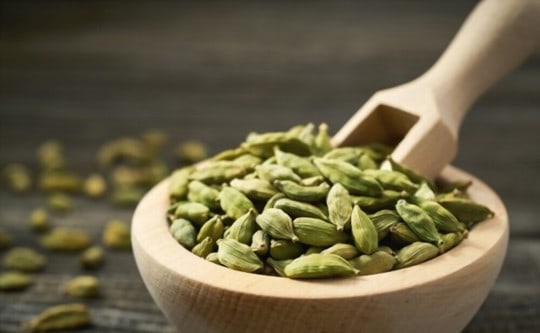
Green cardamom pods are a spice commonly used in Indian cuisine and loved for their pleasing aroma and flavor.
These pods are small, triangular in shape, and contain black seeds within them.
They possess a strong fragrance with hints of freshness and sweetness that make them an essential ingredient in many dishes, desserts and drinks - much like contrasts shown in the Napa vs green cabbage comparison guide for leafy flavors.
Apart from their culinary uses, these pods are also known for their therapeutic properties.
They contain compounds such as cineole, limonene, terpinene that have anti-inflammatory and antioxidant effects on the human body.
Green cardamom pods also aid in digestion issues such as bloating, constipation, stomach cramps when added to tea or consumed directly.
Differences Between Black Cardamom Pods and Green Cardamom Pods
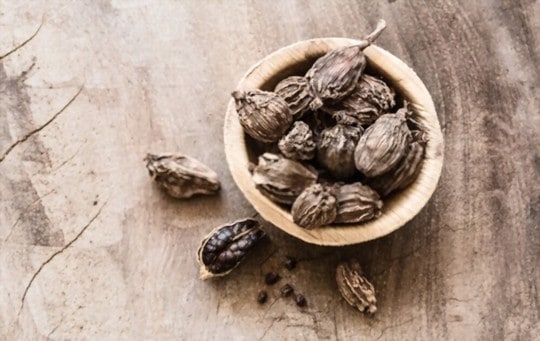
Black and green cardamom pods both have distinct flavors that add depth to different dishes, but what sets them apart? Black cardamom has a smoky, earthy taste with a hint of camphor, while green cardamom is sweeter and more citrusy.
The former works well in savory dishes such as curries and stews, while the latter shines in sweet desserts like cakes and pastries - a contrast similar to the black vs brown mustard seeds comparison overview that highlights when to use each seed.
However, black cardamom can be overpowering if not used sparingly, whereas green cardamom should be used generously for maximum flavor impact.
Ultimately, choosing between the two types depends on the dish you're preparing and your personal taste preferences.
Appearance and Size
The characteristics of black and green cardamom pods extend beyond their taste.
Black cardamom pods, being larger in size and darker in color, do not have the same aromatic quality as their smaller, green counterparts.
These pods are typically smokey in flavor and can overpower dishes if overused.
Green cardamom pods are fragrant with a slight citrusy flavor, making them favorable in most recipes where they're needed.
A chef's choice between the two would depend on the dish's requirements such as intensity and flavor complexity.
flavor
Black and green cardamom pods are both widely used in cooking, but their flavors differ significantly.
While green cardamom has a sweet, floral flavor with hints of citrus, black cardamom is smoky and earthy with strong notes of camphor.
The intensity of black cardamom makes it better suited for savory dishes and spice blends, while the subtle sweetness of green cardamom pairs well with desserts and sweet dishes.
Despite their differences, both types of pods can be used interchangeably in some recipes to improve the overall taste profile.
Usage in Culinary Applications
Both black and green pods have their own unique advantages.
Green cardamom is more commonly used in sweet dishes due to its sweet, citrusy flavor, while black cardamom has a smoky, earthy taste and is often used in savory dishes.
Both types of cardamom can be used whole or ground, depending on the recipe.
Green cardamom pods are great for adding flavor to desserts like cakes, cookies and pastries.
They work well in rice pudding and beverages like chai tea and coffee.
Black cardamom pods add depth to meat curries and stews.
They are also an essential part of many spice blends like garam masala and ras el hanout.
One unique quality of black cardamom is that it is much larger than green cardamom pods which makes it easier to remove from dishes before serving.
Green cardamom is much smaller than its black counterpart but comes with benefits like being easier to crack open when cooking.
Storage and Shelf Life
There are a few things to keep in mind.
Both variants should be stored in an airtight container away from light, heat, and moisture.
Black cardamom pods may last longer than green as its smoky taste makes it less susceptible to flavor degradation.
The shelf life of black cardamom pods is up to three years, while the shelf life of green ones is approximately one year.
Proper storage and regular use can extend their shelf lives.
When storing cardamom pods, it's essential to keep them away from direct sunlight as exposure to light can speed up the deterioration process due to photo-oxidation.
Heat accelerates the aging process, so avoid keeping them near stovetops or ovens.
Humidity promotes mold growth and dampness that can adversely affect their quality.
Keep the container closed at all times, even while using it for best results.
Also, environmental factors such as temperature and humidity will determine how well they hold their freshness over time.
Green cardamom has potent volatile oils that dissipate more quickly than those found in black cardamom since black cardamoms have deeper flavors making them less prone to oxidation.
Therefore, proper storage is important when it comes to both types of cardamom pods' longevity and flavor retention.
It's ideal for buying whole pods instead of pre-ground because they tend to have a longer life span than grounded ones.
Keeping whole spices dry helps prevent deterioration; if you prefer ground seasonings, only grind what you need when cooking with them rather than grinding large amounts at once.
Similarities Between Black Cardamom Pods and Green Cardamom Pods

Black and green cardamom pods may come from different plants, but they share many similarities.
Both are used as spice in various cuisines worldwide and known for their strong, unique flavor - similar to flavor distinctions in the black treacle vs molasses flavor comparison.
They contain essential oils that give them their aromatic quality, making them a popular ingredient in cooking and baking.
Also, both types of cardamom promote healthy digestion, have anti-inflammatory properties and aid in respiratory problems.
The similarities between black and green cardamom continue with how they are stored and prepared before use.
Both types of pods require being crushed or ground before adding to dishes to release their full flavor.
They should be kept in a dry place away from sunlight to preserve their taste for an extended period.
While the differences between black and green cardamoms are apparent, including their origins, flavors, colors, and uses in various dishes; note that both spices share several important characteristics as well.
Each can make a valuable addition to any recipe needing the distinct aroma and taste of cardamom.
With this understanding, one can appreciate the two pod types equally based on individual culinary preferences.
Health Benefits of Black and Green Cardamom Pods
Cardamom is a popular spice used in different dishes worldwide.
Two most common types are black and green cardamom pods, which have distinctive flavors and uses.
- Black cardamom reduces inflammation and helps alleviate digestive issues.
- Green cardamom possesses antioxidant properties, helps regulate blood sugar levels and may reduce cancer risks.
- Both variants aid in maintaining oral hygiene and fresh breath.
- Black cardamom promotes respiratory health and improves blood circulation, while green cardamom plays an essential role in improving heart health and preventing constipation.
- Both black and green cardamom help treat bad breath, fatigue, depression, skin infections, nausea, vomiting, colds and coughs.
It's significant to note that aside from their varying nutritional profiles, black cardamom pods possess a more intense flavor making them ideal for savory dishes.
While green cardamom is more suitable for sweet recipes.
Also, moderation is key as excess consumption can lead to harmful effects such as allergic reactions or adverse drug interactions.
Indulge but be selective.
Both variants aid in maintaining oral hygiene and fresh breath - comparable to nutritional distinctions covered in the black turtle vs black beans nutrition comparison.
How to Use Black and Green Cardamom Pods?
Using Black and Green Cardamom Pods in cooking can add an excellent flavor and aroma to your dishes.
If you are wondering how to best use them for your recipes, here is a guide that can help.
- Choose the Right Pod.
Choose the right type of cardamom pod for your dish - green or black - similar to choosing between red vs black plum selection tips for recipes.
Smaller, green pods are sweeter and commonly used in sweet dishes like desserts or Indian chai tea.
On the other hand, black pods are larger, have a smoky flavor and are ideal for savory cuisines like curries or stews.
- Crush or Grind the Pods.
After selecting the pods, you must either crush or grind them to bring out their full flavor potential.
To crush green cardamom pods effectively, place them on a cutting board with a flat base; position a rolling pin, mallet or anything similar on top of it and roll it wide enough to break open its outer shell without destroying the seeds inside.
Meanwhile, black cardamom pods require grinding in a mortar and pestle.
- Incorporate into Your Dish.
Once crushed or ground to perfection, it's time to infuse its flavor into your dish.
Black cardamom pods work excellently when simmered in soups, rice dishes like biryani or even roasts as they hold up well under high heat for extended periods.
In contrast, green cardamoms act as important ingredients in desserts such as kheer (Indian rice pudding), cakes and milkshakes.
- Strain Them Out.
To avoid any unpleasant surprise crunching down onto one of those tough husks from Black Cardamoms or seedy bits from Green ones, make sure to incorporate them properly by steeping them into hot water first before adding into your recipe; Or place them in a spice sachet which is easily removable before serving.
Knowing these fundamental techniques will help you make delicious, aromatic dishes using Black and Green Cardamom Pods.
So start experimenting in your kitchen now and add unique flavors to your meals.
Flavor and Aroma of Black vs Green Cardamom
Comparing Black and Green Cardamom Pods is subjective as both have their unique flavour profiles.
However, one can choose based on the particular dish's requirements.
Black pods work excellently in savoury dishes, whereas green pods are perfect for desserts and teas.
Apart from their earthy taste, black cardamom pods contain a higher content of camphor oil, responsible for its smoky aroma.
Also, green cardamom pods are small and have a sweet yet pungent flavour with a hint of floral notes.
Frequently Asked Questions
Black cardamom pods are a species of cardamom that differ from green cardamom. They share some similarities but each has qualities that make it better suited for certain recipes.
Sometimes. Black Cardamom Pods works where Green is called for in certain dishes, but not all.
Check whether the recipe relies on a specific quality before substituting.
Cold preparations like salads and dressings often favor the option with a sharper, more defined flavor. Heat can mellow both, so the distinction matters more in uncooked dishes.
Do professional cooks prefer one over the other?
Professional preference depends heavily on the dish and cuisine style.
Each has its context where it outperforms the other, so most experienced cooks keep both on hand.
Black fungus and wood ear are often compared for texture and use. black fungus vs wood ear comparison guide explores those differences. black eyed peas vs pinto beans comparison examines which bean better fits various recipes.