
Summary of key points
The main difference between pork crackling and pork rind is the part of the pig they come from. Pork crackling is the crispy skin of roasted pork, while pork rind is made from the fatty layer just under the skin that has been deep-fried or roasted.
In terms of taste, both have a savory and salty flavor, but pork crackling is usually lighter and crispier, while pork rind has a chewier texture. Also, pork crackling is often seasoned with spices or herbs, while pork rind may be flavored with different seasonings like barbecue or chili.
Pork crackling and pork rind. Two snacks that could start a culinary battle in any room.
First fact, both come from pig skin. One is fried until puffed; the other roasted to perfection.
Our team's divided. Half swear by crackling's crispy texture.
The others, rind loyalists, cite its airy bite as unbeatable.
We're here to lay down the facts, share our stories, and maybe, just maybe, settle this age-old snack debate.
Get ready. It's a crunchy showdown.
What is Pork Crackling?
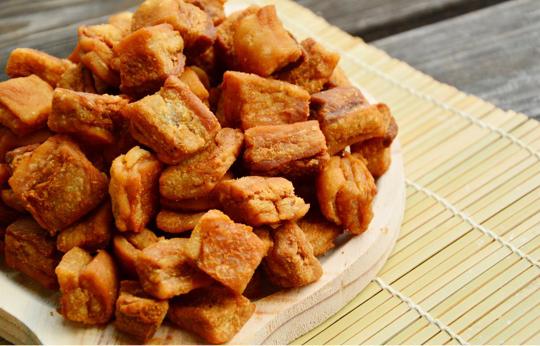
Pork crackling is a must-try delicacy.
Firstly, fat is removed from the pork skin, then it is scored to create an awesome texture.
Afterwards, it's fried or baked until it is crunchy and crisp.
The inside remains tender, while the outside is crunchy.
This intensifies the pork's rich flavors and makes it a savory snack.
Pork crackling has been around for centuries.
It's popular in many cultures and cuisines.
Plus, it's often served with roasted meat or as an appetizer.
One bite and you won't be able to stop.
What sets pork crackling apart from other pork snacks like rinds is its unique texture.
Both snacks are made from pork skin, but pork crackling goes through a scoring process before cooking.
This creates a distinctive pattern which helps achieve the perfect crunch.
Pork crackling can be seasoned however you want.
Traditional recipes use salt and pepper, but chefs experiment with different spices and herbs.
From chili powder to rosemary, you can make your own unique flavor.
For a broader look at pork cuts and how preparation affects texture, see pork cutlet vs pork chop comparison for insights into which cut suits different cooking methods.
What is Pork Rind?
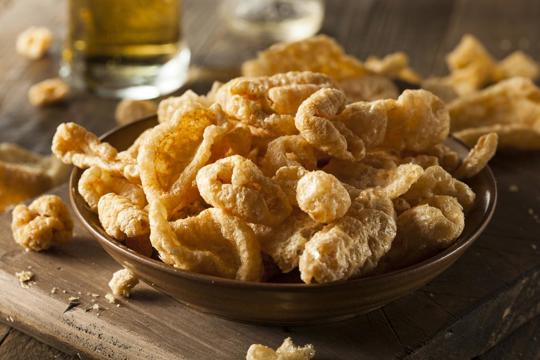
Pork rind, also known as pig skin, is a crunchy and savory delight.
It's made by removing the fat layer from the pig's skin, leaving just the thin, crispy layer.
This is then fried until it turns golden brown.
Pork rind has become a beloved snack.
Its texture is light and airy, making it an enjoyable treat.
Plus, it has a subtle yet distinct flavor that can be enhanced with seasonings.
Interestingly, pork rind is versatile.
You can eat it plain as a snack or use it as a topping.
In some countries, it's even incorporated into traditional dishes.
If breed influences flavor, read Duroc vs Berkshire comparison to understand how different pork breeds affect taste and texture.
Differences Between Pork Crackling and Pork Rind
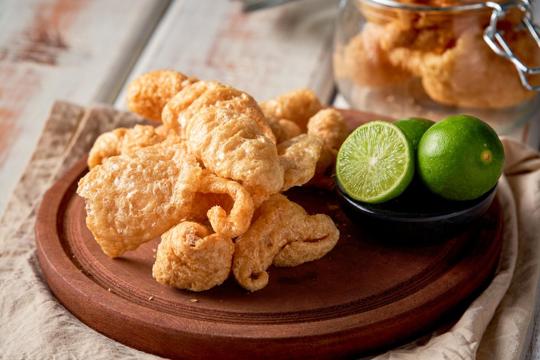
Pork crackling and pork rind are often confused.
But, there are key differences between the two.
For another look at how similar pork items can differ, compare preparations in pork hock vs ham hock differences to see how cut and curing change outcomes.
1 - Texture and Appearance
Pork snacks are tempting.
The two big contenders? Pork crackling and pork rind.
Both so delicious, each offering a unique texture and look.
Pork crackling is golden-brown and crunchy.
Great flavor with every bite. Plus the visual appeal is irresistible.
Pork rind, on the other hand, is lighter and airier.
It melts in your mouth. It may be less striking, but its delicate simplicity is captivating.
These snacks are different in form.
Pork crackling usually comes in small, irregular pieces with uneven surfaces.
The blistered skin forms during cooking, giving it a rustic charm.
Pork rind's blistered skin is larger and puffier, like clouds.
2 - Cooking Method
Cooking pork crackling and rind? There are two popular methods: roasting and deep-frying.
Roast larger cuts of pork skin, like belly or shoulder.
Score with a sharp knife to help render fat and get crispiness.
Generously season with salt and spices.
Put in preheated oven at high heat for golden brown and crispy.
Deep-fry for quicker cooking time.
Cut skin into smaller pieces, then immerse in hot oil.
This causes moisture to evaporate and gives it a crunchy texture.
Serve seasoned or plain as an appetizer or snack.
Caution: hot splattering oil or grease may occur.
Safety measures should always be taken in the kitchen.
When choosing cooking liquids or finishes, consider white cooking wine vs vinegar comparison to learn which option best complements roasted or fried pork skin.
3 - Flavor and Taste
Pork crackling and pork rind offer two distinct tastes.
The former is known for its crunchy texture and balanced salty flavor.
It's a nice snack that's hard to resist.
Plus, its crunchy exterior gives way to a savory explosion of taste when you bite into it.
Pork rind provides a different flavor.
It's chewier and has a richer flavor due to its higher fat content.
This makes it a great choice for those seeking bolder flavors.
Keep in mind that cooking methods and seasonings can have an effect on the taste.
For example, some may enjoy their crackling or rind with additional herbs or spices, leading to an even more delicious experience.
For a primer on the role of concentrated versus subtle seasonings, consult extract vs flavor comparison to see how different flavorings influence final taste.
4 - Culinary Uses
Pork crackling and pork rind are beloved by foodies.
They give dishes unique textures and flavors.
Plus, they can be used in many savory recipes.
Salads can be made yummier with pork crackling and pork rind as a crunchy topping.
Crumble them up, mix with seasoning, and you have a great salad crouton alternative.
Soups and stews can also benefit from pork crackling and pork rind.
Add them near the end of cooking to keep them crispy. This boosts flavor and texture.
You can also use these ingredients as coating for fried and baked meats.
Chicken tenders, fish fillets - they all get an exciting crunch with crushed pork crackling or pork rind.
For something different, try using pork rind as a breading substitute.
You get a crispy exterior that's perfect for gluten-free dishes like mozzarella sticks or onion rings.
Pork crackling and pork rind are great for adding flavor and texture to dishes.
Foodies love their unique flavors and textures.
Similarities Between Pork Crackling and Pork Rind

Pork crackling and pork rinds have a special place.
They may seem similar, but there are nuances that distinguish them apart.
- Both are made from pig skin. It is cooked until golden and crispy, giving a great crunch in every bite. This is why they have the same texture and mouthfeel.
- Also, both deliver an explosion of flavor. During cooking, the fat in the skin melts out, creating a savory taste. Whether you prefer the bold saltiness of crackling or subtle seasoning of rinds, they both satisfy cravings.
- Also, they are very versatile. Both can be enjoyed as standalone snacks or used as toppings. From salads to soups, they add extra flavor to dishes.
Undeniably, they have many devoted fans.
Whether for movie nights or social gatherings, these snacks capture palate and satisfy hunger.
While there are minor differences between pork crackling and pork rind, they are similar in terms of taste, texture, versatility, and indulgence.
So, the next time you want an amazing snack experience, give either or both of these treats a try - you won't regret it.
To explore how different pork cuts share traits yet vary in use, refer to pork loin vs butt comparison for examples of similar-but-different pork sections.
Nutritional Value Comparison
Crunchy and delicious - pork crackling and pork rind.
But which one is the healthier snack? Let's check the facts.
There isn't much difference between them.
But pork rind has more fat than pork crackling - about 50% more.
This may be a deciding factor for those who want to watch their fat intake.
Now, let's look at the details that make these snacks unique.
Pork crackling has more calories, because fat is removed from the skin when cooking.
Pork rind, on the other hand, has dense collagen fibers that make it chewy.
A perfect treat for those who love a filling bite.
Popular Dishes and Snacks Made with Pork Crackling and Pork Rind
Crispy and savory pork crackling and pork rind dishes and snacks are perfect for meat lovers.
For instance, crispy pork belly is a delicious dish.
Its juicy meat and crunchy skin is an unbeatable combination.
Chicharrones are another popular snack, made with seasoned deep-fried pork skin.
You could also use pork crackling and rind in unique ways.
For example, use them as a crust for roasted meats.
Or sprinkle them on popcorn for a special movie night snack.
There are endless possibilities when it comes to exploring these crispy delicacies.
Pork crackling and pork rind are both tasty options that can add flavor and texture to any dish.
So why not give them a try? Experiment with different recipes and find your favorite way to enjoy these pleasant treats.
For ideas on swapping or complementing pork with other cured meats, see beef bacon vs pork bacon comparison to learn pairing and substitution possibilities.
Preference Factors: Pork Crackling vs Pork Rind
After exploring the world of pork crackling and pork rinds, we are still left with some perplexity regarding which one is preferred.
There appears to be a divide between those who grew up eating pork rinds and hold them near and dear, versus those who enjoy the crunchy snack-like factor that comes with pork cracklings.
It's ultimately up to you.
Whether you like traditional or prefer something new and edgy, your personal taste is the best determinant.
Beyond your own preferences, you often get more for your money with pork rinds compared to pork crackling, so it may help you make a decision when all else fails.
When embarked on a mission for a perfect snack food - there is no wrong answer.
Frequently Asked Questions
The main difference between pork crackling and pork rind is the part of the pig they come from. They share some similarities but each has qualities that make it better suited for certain recipes.
They can stand in for each other in a pinch. Pork Crackling and Pork Rind overlap in some uses, but the flavor or texture will shift.
Adjust quantities to taste.
Shelf life differs based on processing and packaging. One often keeps longer unopened, while the other may need refrigeration or faster use after opening.
Which one is more forgiving in recipes?
One tends to perform more consistently across a range of cooking methods, making it the safer choice when experimenting.
The other delivers stronger results in specific applications.
Pulled and sliced preparations highlight different textures. Pulled Pork vs Sliced Pork: comparison of textures explains how serving style changes mouthfeel. Pork Shoulder vs Ham: cut comparison for cooking details how choice of cut affects flavor and best uses.