
In the breakfast battle of beef versus pork bacon, we're here to slice through the fat. Beef bacon?
Yep, it's a thing. And pork bacon has had the spotlight for too long.
Each has its place on our plates and in our hearts.
Our mornings start differently. For some, it's beef; for others, pork.
The difference isn't just in the animal; it's in the taste, texture, and how we cook it. We've grilled and tasted, crisped and crunched.
Our verdict? It's not a simple win-lose.
Beef bacon brings a leaner game to the table, rich and bold. It's the heavyweight champion of breakfast meats for us.
Pork bacon? The classic.
It's salty, it's fatty, it's everything we crave in a guilty pleasure.
We're not picking sides. We love both.
What is Beef Bacon?
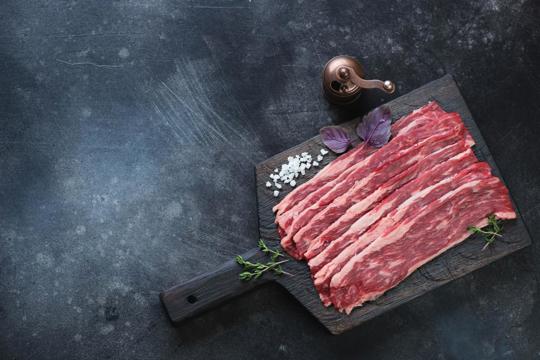
Beef bacon is a delicious option different from the more common pork bacon.
It's made of cow belly or jowl, and looks and tastes similar.
The main difference? Pork bacon comes from pigs, whereas beef bacon comes from cows.
To make beef bacon, it's cured with salt and spices like pork bacon.
Then it's smoked to give it that smoky flavor many love.
Result? A savory, slightly salty meat product that can be eaten in many ways.
One thing that stands out about beef bacon is its texture.
Beef fat tends to make it firmer than pork bacon.
This can give interesting contrast in dishes like burgers or sandwiches.
Plus, beef bacon offers health benefits for those preferring leaner options.
It generally has less fat than pork bacon, so it's good for those monitoring their fat intake.
For a look at how different spice profiles change beef preparations, see Hunan vs Kung Pao beef comparison for examples of bold beef flavors.
What is Pork Bacon?
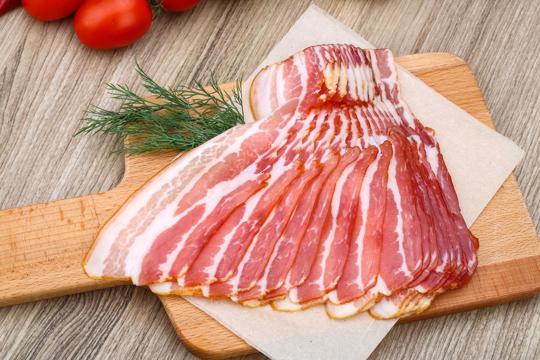
Pork bacon is a much enjoyed type of bacon.
It has a special curing process that involves salt, sugar, and other seasonings.
Smoking it afterwards gives it extra flavor.
Pork bacon is famous for its savory, salty-sweet taste.
Plus, it has fat that makes it crunchy when cooked.
It's also very useful in cooking.
You can make breakfast, sandwiches, salads, and more with it.
Its smoky taste and crunchy texture make dishes even better.
When deciding between beef bacon and pork bacon, it all comes down to preference.
Both have unique tastes and textures, but pork bacon's flavor and versatility make it a favorite.
Next time you want some delicious bacon, try pork bacon.
For more on choosing between pork cuts and how texture affects dishes, read pork cutlet vs pork chop comparison for practical differences.
Differences Between Beef Bacon and Pork Bacon
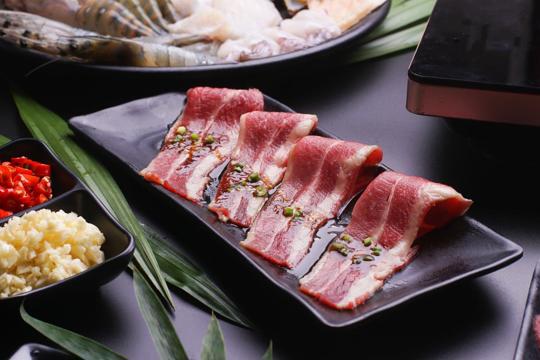
Beef bacon and pork bacon may look alike, yet they have some key differences.
Similar-looking cuts can cook and taste very differently - corned beef round vs brisket comparison shows how cut choice changes texture and use.
Origin and Meat Source
Beef bacon differs from pork bacon in its meat source.
It comes from the beef belly, while pork bacon is cut from the pig's belly or back.
This gives each type of bacon its own unique flavor and texture.
Beef bacon has a rich taste from the marbling in the meat, and it offers a smoky, savory flavor.
Pork bacon is prized for its fat-to-lean ratio, which creates crispy outer layers with tender meat.
It also has a strong, savory flavor that's great for breakfasts and sandwiches.
Although both beef bacon and pork bacon are tasty, they have slight variations due to their different origins.
That means people can choose their favorite kind for different recipes.
Whether it's beef or pork, bacon is a delicious option for breakfast lovers and cooks alike.
Different meat grades and source parts matter - special vs lump crab meat comparison explains how variety affects flavor and texture in a different protein.
Flavor and Taste
Flavor and taste are essential when comparing beef bacon to pork bacon.
Both offer a smoky and savory experience but beef bacon has a more intense flavor.
Its bold taste improves dishes, making it popular with those seeking a rich cooking experience.
Pork bacon is milder, with its classic salty and savory taste.
Beef bacon is usually made from the belly or round cuts of meat, giving it its hearty flavor.
Pork bacon comes from the fatty belly portion of the pig, making it delicate yet flavorful.
These subtle differences distinguish beef bacon and pork bacon, granting food enthusiasts an array of options to improve their cooking experiences.
If distinguishing subtle taste elements helps, see extract vs flavor comparison to understand how concentrated ingredients alter overall taste.
Texture and Fat Content
Beef bacon and pork bacon - compare them.
Texture and fat content - consider them.
Taste and mouthfeel - these factors affect them.
Nutritional profile - they also play a role in it.
Beef bacon: firmer texture.
Less fat marbling.
Leaner nature - great for those wanting less fat content.
Pork bacon: crispy texture.
Higher fat content.
Fat running throughout - gives it that crunch when cooked.
Adds more flavor and richness.
Nutritional differences: pork bacon has more saturated fat.
Beef bacon's leaner composition - a healthier option for those watching their saturated fat intake.
For a clear look at how fat impacts mouthfeel and cooking results, check whole vs low-fat buttermilk comparison as an example of fat-driven texture differences.
Cooking and Preparation Methods
Cooking and prep are key for beef and pork bacon's unique flavors.
Both involve frying or baking.
But, prep techniques differ.
Beef bacon is spiced with pepper, garlic and paprika.
Pork bacon is cured using salt, sugar and nitrates.
Thickness of the slices and cooking times change depending on personal preference.
Ultimately, the choice between beef and pork bacon is up to personal preference and dietary factors.
Small ingredient swaps change outcomes in cooking - white cooking wine vs white wine vinegar comparison outlines how similar-sounding items behave differently in recipes.
Nutritional Differences Between Beef Bacon and Pork Bacon
Beef bacon and pork bacon are not the same when it comes to nutrition.
Beef bacon has more protein and less saturated fat.
On the other hand, pork bacon tends to have more Vitamin B12 and Iron.
You must think about these differences when deciding which bacon to include in your diet.
Fat is high in both.
When nutrition and cut quality matter, see Angus vs Choice beef comparison for how grading and breed affect nutrient profiles.
Similarities Between Beef Bacon and Pork Bacon
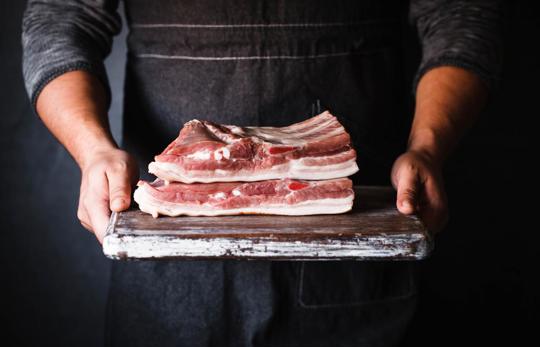
Beef bacon and pork bacon are comparable in taste and appearance.
Both come from the animal's belly and are cured and smoked the same way.
They make great additions to breakfast sandwiches or eggs.
Their flavorsome taste and crunchy texture make them popular.
However, there are differences.
Beef bacon has a more intense flavor than pork bacon.
Plus, it has a lower fat-to-meat ratio, resulting in a meatier flavor.
On the other hand, pork bacon is known for its salty-sweet combo.
Usage and Culinary Applications
Beef bacon and pork bacon are popular in the cooking world.
They each have their own unique characteristics, making them suitable for different dishes.
Beef bacon, made from beef belly or brisket, is rich and meaty.
It's great in burgers, salads, and sandwiches.
Pork bacon, made from pork belly, is smoky and savory.
It adds crunch to breakfast foods like eggs, pancakes, and waffles.
Also, it's great in soups, stews, and pasta dishes.
Cooking methods differ too.
Beef bacon is best grilled or pan-fried.
It can also be baked in the oven.
Pork bacon is usually cooked on the stovetop or in the oven until it's golden brown.
Both types of bacon release their own fats, adding flavor.
Choose between beef bacon and pork bacon, depending on the flavors and dish you're preparing.
Beef bacon has a strong and hearty taste, while pork bacon is smoky and crispy.
Experiment with both and discover a world of culinary possibilities.
Flavor and Texture: Beef Bacon vs Pork Bacon
After looking at the basic differences and similarities between beef bacon and pork bacon, it's easy to see why this choice can be confusing.
After all, both offer distinct flavors and textures that can make any meal a delicious experience.
Still, it's worth knowing what makes each option unique so you can get even more enjoyment out of your meals.
While each form of bacon certainly has its pros and cons, there is no doubt that this salty favorite is sure to add flavor and crunch to whatever concoction you decide to whip up.
Coq Au Vin vs Beef Bourguignon comparison contrasts two classic braises and their ingredient focuses. Ground Chicken vs Ground Beef comparison outlines tradeoffs between lean and beefy grounds for different recipes.
Frequently Asked Questions
Our mornings start differently. They share some similarities but each has qualities that make it better suited for certain recipes.
It depends on the dish. Beef Bacon and Pork Bacon share some overlap, but each shines in different preparations.
Swapping works best in forgiving recipes like soups or stews.
Pricing varies by brand and region, but one is typically more accessible at everyday price points. The other may cost more due to specialization or limited supply.
Is there a best time to use each one?
One shines in applications requiring subtlety and background support.
The other is better when it is meant to be a center.
Matching the right one to its role makes a noticeable difference.