
You found an opened pack of powdered sugar that has been lying in your storage for a long time.
Now you are getting confused about whether you should use it or do Powdered sugar go bad.
That happens as powdered sugar is used on rare occasions, then you store and forget it.
One can use it safely as sugar has a longer shelf life and does not go bad.
By providing better storage measures, you can use powdered sugar without losing its quality for an extended period.
Powdered Sugar Storage Duration
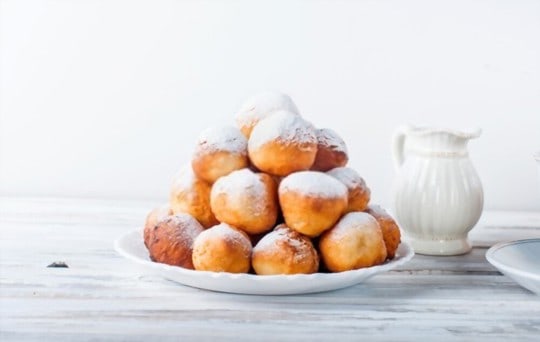
The shelf life of this depends on a lot of factors like storage, variety, and others - similar concerns apply to powdered milk shelf-life guide.
These are of two types one is commercial, and the other is homemade.
Some people prefer buying table sugar and grinding it at home, so both these have a different shelf life.
That is because commercial powdered sugar contains preservatives that prevent mold.
Therefore, one can use this even beyond its best-by date, about 1 to 2 years.
If you offer appropriate storage, you can expect it to last longer for up to 4 years after the best-by date.
However, ensure you do not consume it right away, as it might contain bacteria.
So if you are using it after its expiry date, then be sure to look for signs that can help you find bad powdered sugar.
There will not be any difference in the taste; thus, you need to identify old sugar with its appearance.
Using old and contaminated powdered sugar will cross-contaminate your entire recipe; therefore, it would be better to check for bad sugar before adding it to your recipe.
How to Tell if Powdered Sugar Has Gone Bad?
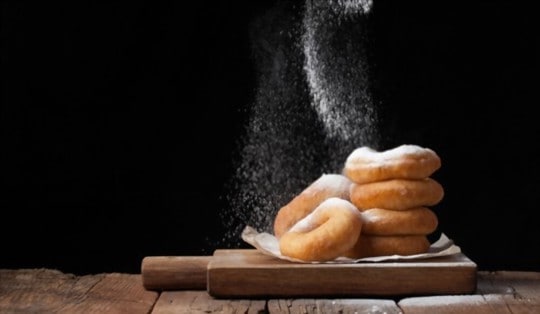
- Formation of Lumps
When you are looking for signs to identify bad sugar, you can see its texture.
That is because as you increase its storage period and it gets exposed to moisture, then it will become lumpy.
Homemade powdered sugar gets affected by humidity in no time, but commercially produced sugar contains added preservatives that restrict moisture.
- Off or Unpleasant Odor
When you buy this, then it has the pleasant and strong essence of vanilla.
However, as you begin to store it and increase its storage period, then this sweet aroma fades after some time.
After prolonged unfavorable storage, this aroma turns into a foul odor.
So try to sniff the sugar; if this gives an unpleasant odor, you should do it immediately.
- Mold Growth
You can closely examine the content and see if there are molds present.
The white-colored particles get some spots of grey or any other color if they have gone bad.
Mold formation happens when the sugar is kept close to moisture for an extended period.
So if there is mold growth, then you need to throw all the content out, as even though spots are on a specific area, the whole content will get affected by bacteria.
If desserts are in mind, light fruit dessert ideas show ways to enjoy fruit without added sugar.
How to Store Powdered Sugar?
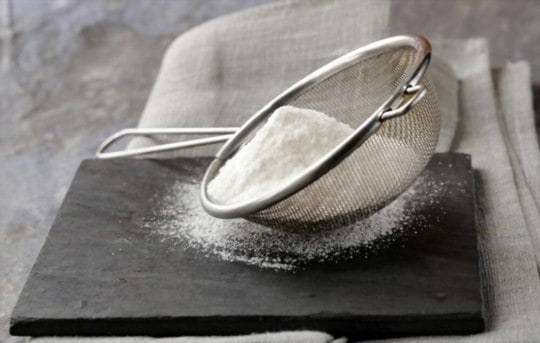
- Store Away From the Strong Odor
You might have noticed that you have stored the sugar recently, but still, it's offering a foul odor.
This is a common problem because people ignore the food item around which they are storing it.
If you keep sugar around food items that have a strong smell, then they develop a foul odor in no time.
Thus one needs to store powdered sugar away from strong smells for quality storage.
- Seal the Jar Tightly
As explained earlier, moisture is your biggest enemy, as once the content is affected, it will go bad no matter how you store it.
Therefore, keep that in a sealed jar to avoid moisture.
You can use an airtight container or glass jars as they also restrict heat.
- Pest Free Storage
This does not need refrigeration or freezing and can retain its quality easily if stored at room temperature.
So people choose kitchen cabinets and pantries for storage, but these are infested with pests, making this go bad.
Thus it would be best if you made sure that our cabinets are free from pests and bugs.
How long a Himalayan salt block lasts is covered in Himalayan salt block longevity guide. sandwich shelf-life details explains safe storage for ready-to-eat sandwiches.
Frequently Asked Questions
You found an opened pack of powdered sugar that has been lying in your storage for a long time. Now you are getting confused about whether you should use it or do Powdered sugar go...
Look for changes in color, texture, or smell. Mold, an off odor, or a slimy surface are the clearest signs it has spoiled and should be discarded.
Freezing extends shelf life but can affect texture. Ingredients with high water content often become softer after thawing.
This matters less in cooked dishes than in raw applications.
Yes. Early spoilage can be subtle - a slight change in color, a faint off-smell, or minor texture changes are easy to overlook.
Inspect closely before using anything near its limit.