
You can swap in another curing salt only when its label reads 6.25% sodium nitrite, as Pink Curing Salt #1 does.
- Himalayan, sea and kosher salt give you no nitrite, so nothing stops botulism.
- Celery powder, saltpeter and Tender Quick differ in strength, so you cannot swap them 1:1.
- With no cure, the meat needs to be cooked fresh and kept cold.
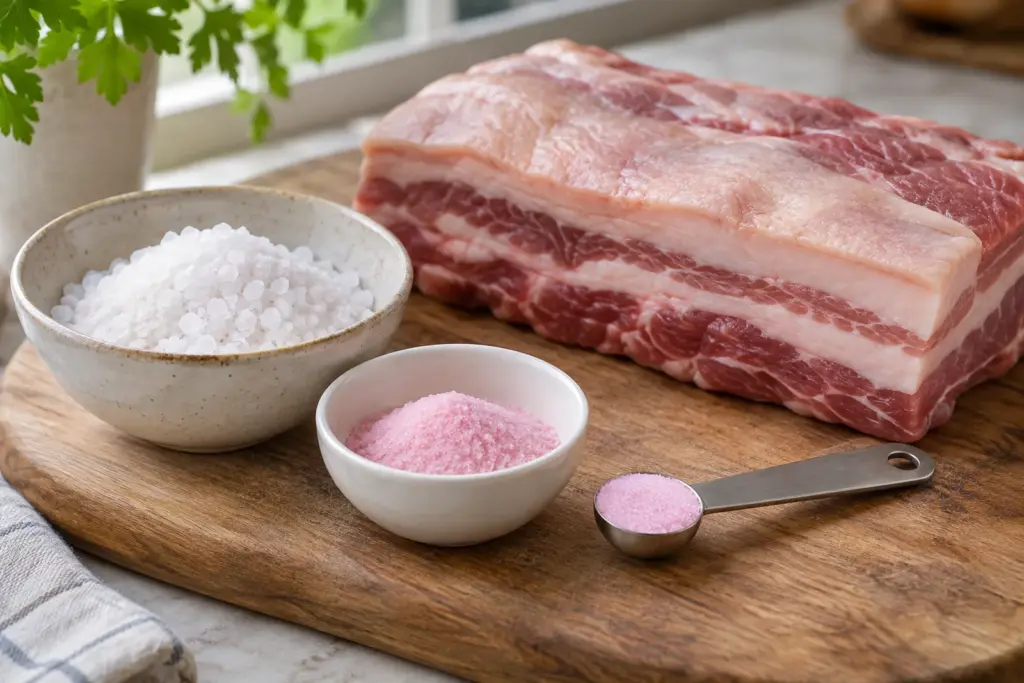
Prague Powder is the pink curing salt behind bacon, ham, corned beef and many sausages, so the swap you pick decides whether the cured meat you serve is safe to eat. Plain salt seasons the same meat but leaves out the part that protects you from botulism, which is why these kitchen ingredient swaps start with other curing salts.
What Does Prague Powder Do in a Recipe?
Prague Powder #1 is 6.25% sodium nitrite and 93.75% salt, according to Oregon State University Extension, and curing salts are dyed pink so you can tell them from table salt. The nitrite does three jobs in the cured meat you make:
- It blocks botulism. Wisconsin Extension says nitrite at the levels USDA allows completely inhibits the growth of Clostridium botulinum, the bacteria behind botulism.
- It keeps the red-pink color. Oregon State lists preserving the red color of meat as a purpose of a cure, which is why the ham and bacon you cook stay rosy.
- It gives the cured flavor. The same page names the distinctive cured flavor as a third purpose, and you cannot get it from plain salt.
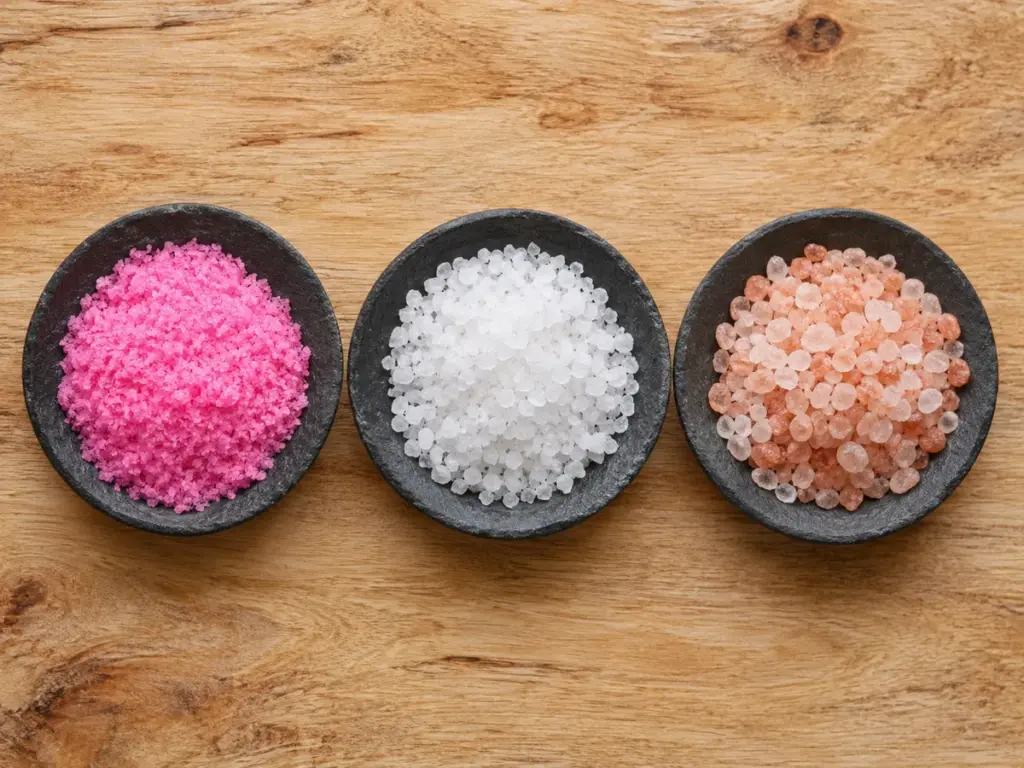
Regular salt seasons the meat and pulls out water, so your recipe still needs plenty of it, but it does none of those three jobs. A teaspoon of curing salt and a teaspoon of regular salt carry very different amounts of nitrite, and that gap is why curing salt and regular salt cannot trade places in a cure.
A pink color does not tell you it is a cure, because Himalayan salt is pink too and is a seasoning salt with no added nitrite.
5 Best Prague Powder Substitutes
Only the first two rows are Prague-style curing salts with 6.25% nitrite, and every row takes its amount from a recipe written for that product, so your Prague Powder measurement does not carry over.
| Substitute | Best for | Amount |
|---|---|---|
| 1. Another Cure #1 | Bacon, smoked pork | 1 teaspoon per 5 lb belly |
| 2. Prague Powder #2 | Salami, dry-cured ham | Tested dry-cure recipe |
| 3. Morton Tender Quick | Corned beef, summer sausage | 5 tablespoon per 4 to 6 lb brisket |
| 4. Celery-based cure | "Uncured" bacon and ham | Rate on its package |
| 5. No cure | Fresh pork roast | Salt to taste |
1. Another Brand of Cure #1
Oregon State calls this product Curing Salt #1 (Prague Powder #1). When a jar from another brand also reads 6.25% sodium nitrite, your recipe's amount carries over unchanged.
In Oregon State's home bacon recipe, you use 1 teaspoon of Cure #1 per 5 pounds of pork belly with 5 tablespoons of regular salt, cure it in the fridge for 5 to 7 days, then cook or hot smoke it to 160°F inside. If your jar shows a different percentage, that maker's own rate applies.
2. Prague Powder #2 for Long Dry Cures
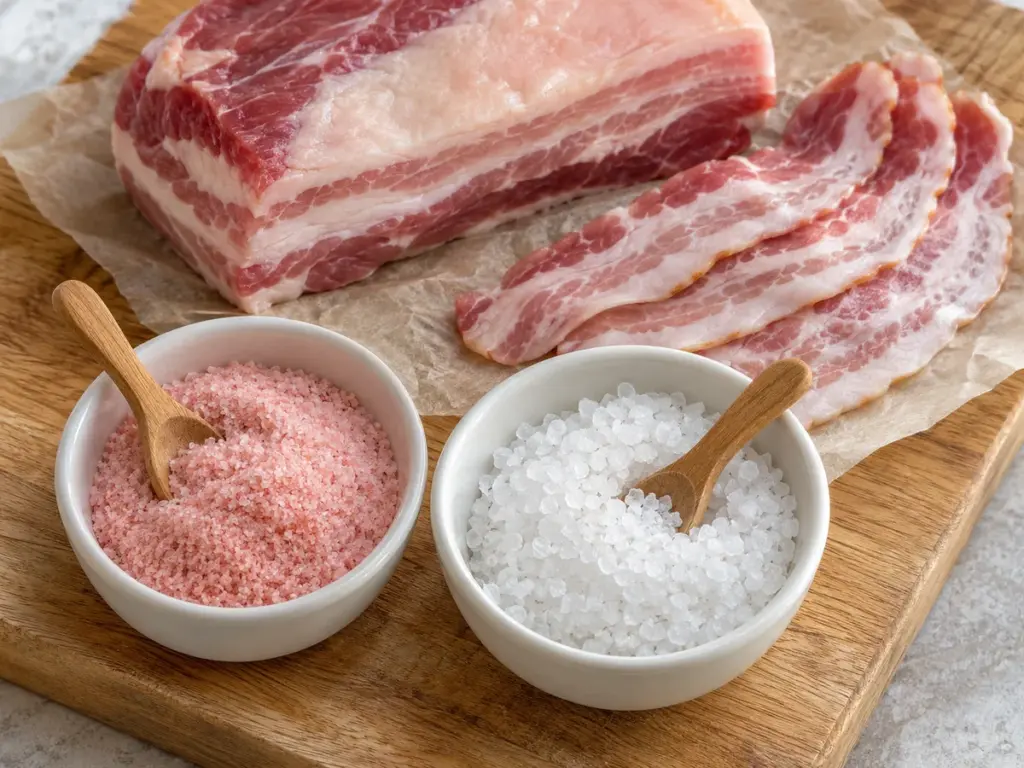
Salami and prosciutto are eaten without cooking, which is how prosciutto differs from cooked ham. Oregon State says Cure #2 is meant for those long dry cures, since it holds up to 4% sodium nitrate on top of the same 6.25% nitrite.
The nitrite protects the meat from the day you rub it on, and the nitrate works as a slower, time-release curing agent while the meat dries.
You only use Cure #2 in a recipe that names it, with that recipe's amount and curing time. Oregon State does not recommend it for bacon, because it is likely to form more nitrosamines at high heat.
3. Morton Tender Quick in Recipes Written for It
Tender Quick is mostly salt and sugar, and Morton's label lists 0.5% sodium nitrite and 0.5% sodium nitrate. Morton says to stay with the rate in its own recipe, because more makes the meat too salty, and it cannot recommend Tender Quick for pork belly or bacon.
- Cure #1 holds 6.25% sodium nitrite.
- You can use it in Oregon State's bacon recipe.
- Tender Quick holds 0.5% nitrite.
- Morton does not recommend it for bacon.
Oregon State's summer sausage recipe uses 2 tablespoons per 5 pounds of meat, and its deli-style corned beef uses 5 tablespoons for a 4 to 6 pound brisket, cured for 5 days per inch of thickness. Each amount belongs to its own tested recipe, so you will want one written for Tender Quick, such as a recipe for corned beef cured from brisket.

4. Celery Powder and "Natural" Cures
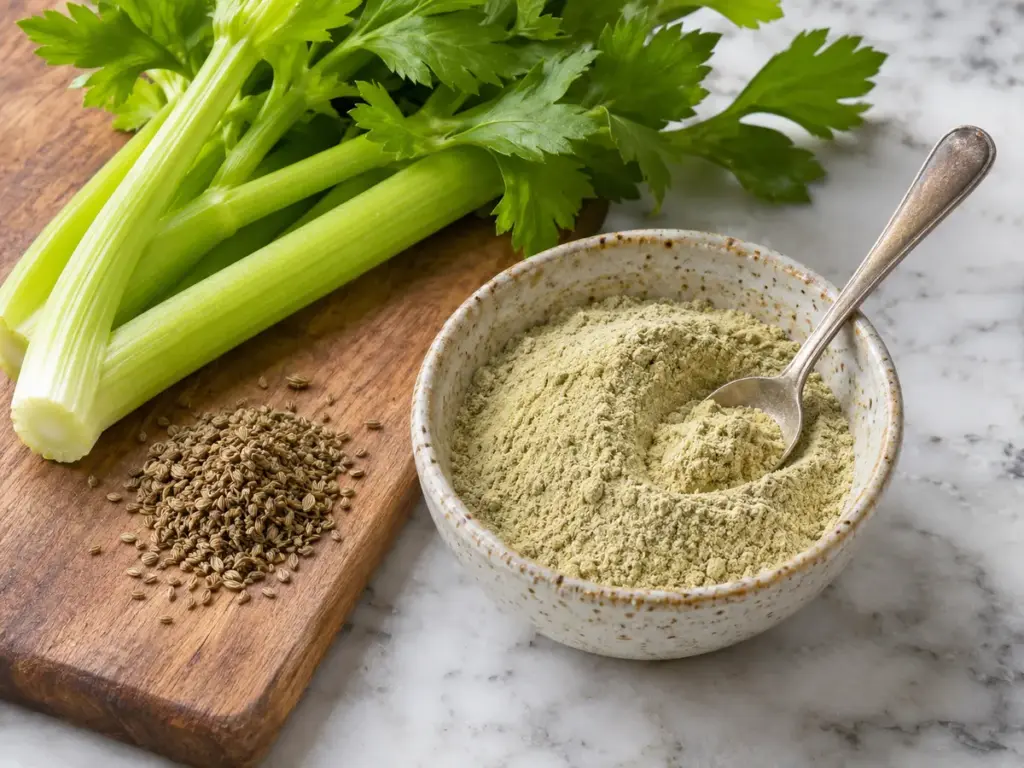
Celery holds nitrate, and plant-based cures use it as their nitrite source. Bacon sold as "natural, uncured" often uses celery juice powder, Oregon State notes, and its nitrosamine risk is similar to traditionally cured bacon.
Wisconsin Extension adds that purified and plant-based nitrite are no different, so a celery cure is no safer than a traditional one.
At home the dose is the problem, because Wisconsin puts nitrate in vegetables anywhere from 0.001% to 1.0%. A jar of spice-aisle celery powder gives you no known nitrite amount, while Prague Powder states 6.25%, and neither extension source offers a home recipe that cures meat with it.
If you buy a celery-based cure sold for meat, the rate on its own package is the only one to use.
5. No Cure at All: Cook the Meat Fresh
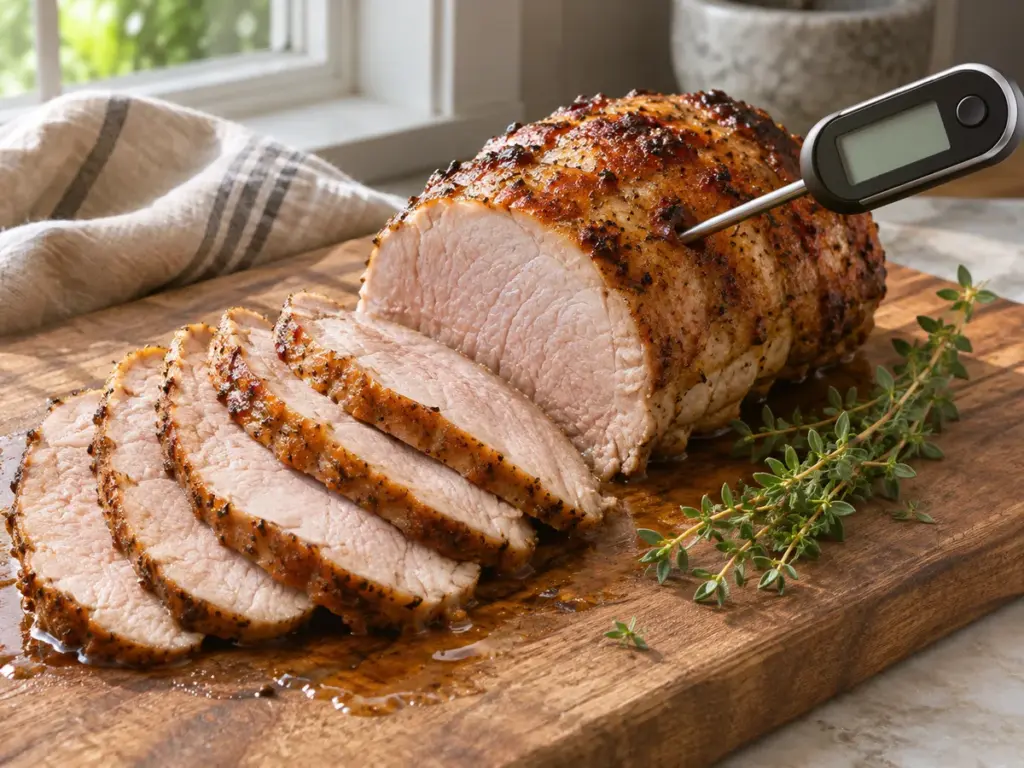
Without curing salt, the meat counts as fresh meat, so you season it with salt and spices, cook it all the way and keep it cold. Without nitrite it will not stay rosy, and it lacks the salty tang of cured ham.
- Check the recipe. A dry cure, salami or low-heat smoked sausage needs real curing salt, so wait until you can buy it.
- Cook it through. Pork roasts and chops need to reach 145°F and then rest for 3 minutes, and ground pork needs 160°F, the minimums USDA sets.
- Keep it cold. Oregon State says bacon made without nitrite must stay below 40°F at all times.
Which Prague Powder Substitutes Don't Cure Meat?
Three more swaps show up on substitute lists, and each one has no nitrite or no nitrite you can count on:
- Saltpeter is potassium or sodium nitrate, according to Penn State Extension, and Wisconsin Extension calls nitrate inert until bacteria convert it to nitrite. That slow start is the difference between saltpeter and Prague powder.
If an older family recipe lists saltpeter, you take the amount from a tested version of the same dish written for Cure #1 or #2, never the saltpeter amount. Other saltpeter swaps in curing recipes follow the same rule.
- Himalayan, sea and rock salt, kosher and pickling salt are seasoning salts with no nitrite. If you rub one on pork belly, you get salted fresh pork, which needs the same cooking and cold storage as the no-cure pork in item 5.
- Celery salt is plain salt with ground celery seed, so it seasons your meat and cures nothing.
Sources
- Oregon State University Extension, Making Cured Bacon at Home (PNW 784): Cure #1 and #2 composition, bacon recipe, toxicity, nitrite-free bacon, Cure #2 for bacon, celery juice powder.
- Oregon State University Extension, Summer Sausage and Deli-Style Meats (SP 50-735): Tender Quick amounts, curing time and the purposes of a cure.
- University of Wisconsin-Madison Extension, What's the Deal with Nitrates and Nitrites Used in Meat Products?: nitrite and botulism, vegetable nitrate range, plant versus purified nitrite.
- Penn State Extension, Proper Processing of Wild Game and Fish: saltpeter as sodium or potassium nitrate.
- Morton Salt, Morton Tender Quick: label percentages, rate warning, not recommended for bacon.
- USDA, Safe Minimum Internal Temperature Chart: 145°F with a 3-minute rest for pork cuts and 160°F for ground pork.

Food writer at GustoMeadow. Writes ingredient substitutes, food comparisons, taste guides and storage guides for home cooks.
Storage and food-safety numbers follow USDA, FDA and university extension guidance.



