
Pumpkin seeds are versatile and eaten in various forms.
Some people prefer them as a snack, whereas some add them to their cereals.
As these are repeatedly used thus, people buy them in large quantities.
However, once the pack is opened and stored, they feel that the seeds do not offer a similar taste like before.
So they get curious about how long these can be kept or do pumpkin seeds go bad.
Pumpkin seeds are most likely to get contaminated in no time; therefore, they undoubtedly go bad.
Thus if you are using old stored seeds, you should check whether these are still edible.
Pumpkin Seeds Shelf Life
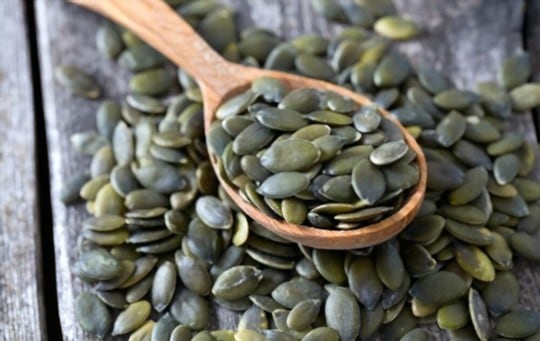
When anyone buys seeds, then these generally do not come with a best-by date.
So it is possible that your seeds will also not have any labeled date.
Then it becomes hard for anyone to figure out how long the seeds will serve them.
The shelf life of these seeds will depend on their variation and storage - see how long pumpkin lasts guide.
So if you have shelled pumpkin seeds, these can be stored for five months.
If you want to increase their shelf life, then you can keep them in the refrigerator, which will last for 12 months.
If anyone is sure they will not use them for a period, the freezer can keep them intact for 18 months.
In case you have bought deshelled seeds, then in the pantry, one can preserve them for three months.
When you store them in the fridge, the shelf life exceeds nine months.
By putting unshelled seeds in the freezer, one can preserve them for up to 1 year.
It is not necessary that all the seeds will serve you for the above-mentioned periods, as storage conditions also make a difference.
If the storage is not appropriate, the seeds can go bad before they cross their shelf life.
How to Tell if Pumpkin Seeds Have Gone Bad?

- Unusual and Off Smell
Pumpkin seeds have a tangy smell, but when their storage period is increased, they can become stinky.
At the time of storage, they are surrounded by other products which have a strong smell.
Over time they absorb their scent, and their authentic aroma fades away.
So if your seeds offer an unpleasant and off smell, you should discard them - refer to poppy seeds shelf-life guide for similar spoilage signs.
- Alteration in Color
If you have found old stored seeds, then you can check color alteration.
As you exceed the storage period, then the color of the seeds will get altered.
This happens when they get exposed to humidity, heat, or sunlight.
Therefore if there is any color alteration after prolonged storage, then you should avoid their consumption.
- Change in Texture
Another way to find bad pumpkin seeds is their texture.
At first, the texture of the seeds will be firm and dry, but after storage, it can develop changes.
That is because, in that period, it gets along with moisture and air.
This will make the seeds slimy and grassy, indicating they have gone bad.
Sometimes they can also get spotted because of mold growth, which is also a case of rancidity.
Thus one should throw their seeds out if they are oily, hairy, grainy, or grassy.
How to Store Pumpkin Seeds?

- Freezing
When you are looking for the best storage technique, then freezing can help.
If you are not going to use all the seeds, then storing the rest of them in the freezer can increase their storage.
Otherwise, they will lose their potency, and all of them will go bad.
Freezing will safeguard them from rancidity and retain their quality even after prolonged storage.
- Storage in Fridge
People who frequently add these seeds to their diet should store them in the fridge.
Refrigeration is a great option as they might get affected by heat and light.
When you are storing it in the refrigerator, then you should add a Ziploc bag to avoid moisture.
One can also try an airtight container if a vacuum Ziploc bag is not available.
- Avoid Storing Around Strong Smell
Another measure is that you can avoid their storage around food items with a strong smell.
That will help the seeds develop a bad smell and not develop a foul odor.
No matter if you are storing them in a pantry or fridge, seal-tight containers are essential.
Sealed containers will also prevent the seed from developing a rancid odor.
Frequently Asked Questions
Pumpkin seeds are versatile and eaten in various forms. Some people prefer them as a snack, whereas some add them to their cereals.
As these are repeatedly used thus, people buy th...
Visible mold, an unusual smell, or a sour or bitter taste that was not there before are reliable indicators. When in doubt, throw it out.
What container works best for storage?
Airtight glass or food-grade plastic containers work best for most ingredients.
Keeping out air, light, and moisture slows deterioration significantly compared to leaving items in their original packaging.
Some ingredients absorb flavors or odors from nearby foods. Strong-smelling items should be stored sealed away from neutral or delicate ingredients to preserve their original character.
Storage longevity for seeds varies; sunflower seeds storage timeline explains comparable expectations. Himalayan salt block longevity tips covers care and lifespan for salt blocks.