
Summary of key points
The main difference between semolina and farina is in the type of grain used. Semolina is made from durum wheat, while farina is made from soft wheat.
This results in a difference in texture, with semolina being coarser and grittier than farina.
In terms of usage, semolina flour is often used in pasta making, as well as for breading and making porridge. Farina, on the other hand, is commonly used to make hot cereals like cream of wheat.
Also, semolina tends to have a nuttier flavor compared to the milder taste of farina. Both can be used as substitutes for each other in recipes, but there may be slight variations in texture and taste.
Ever stood in a grocery aisle, scratching your head? Well, you're not alone.
Semolina and farina are both milled wheat. The former is courser, think pasta.
The latter, softer, perfect for breakfast. Our mornings often start with this debate.
Quick, easy meals? That's the goal.
Both pack a nutritional punch. Semolina brings protein and fiber to the table.
Farina, rich in iron, boosts energy. Different textures, different uses.
We love experimenting in the kitchen. Semolina for hearty dinners, farina for a warm, comforting breakfast.
Each has its place.
Key takeaway? They're not interchangeable.
Know your grains, improve your cooking.
What is Semolina?
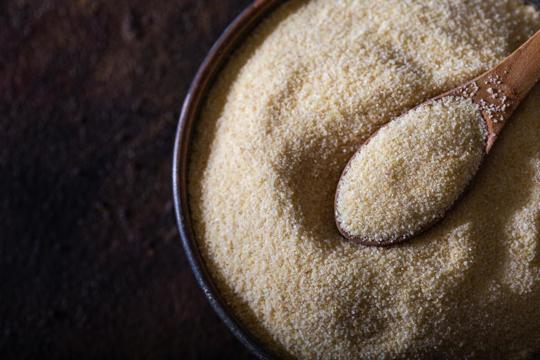
Semolina is a coarse flour made from durum wheat.
It's got a distinctive yellow color and a gritty texture, giving dishes an interesting taste.
It's packed with protein and gluten, making it great for dough-based recipes.
This ingredient has been around for centuries.
It's originally from the Mediterranean region and provides a nice crunch to baked goods like bread and cookies.
Plus, semolina has incredible health benefits.
It's a great source of vitamins and minerals, like iron and magnesium.
What's special about semolina is its ability to absorb liquid quickly but still keep its shape when cooked.
This makes it perfect for dishes like couscous and puddings.
Also, it has a low glycemic index, ideal for those watching their blood sugar levels.
What is Farina?
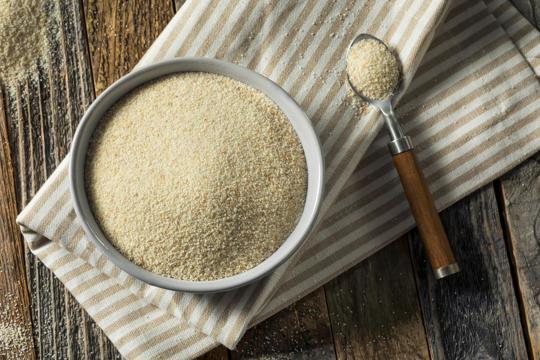
Farina, a wheat-based cereal grain, is a popular choice for breakfast.
It is fine and smooth, and can be enriched with vitamins and minerals.
Its creamy flavor and ability to take on flavors makes it great for savory and sweet recipes.
From a warming porridge to a delicious bake, Farina adds a unique taste and texture to your meals.
Differences Between Semolina and Farina
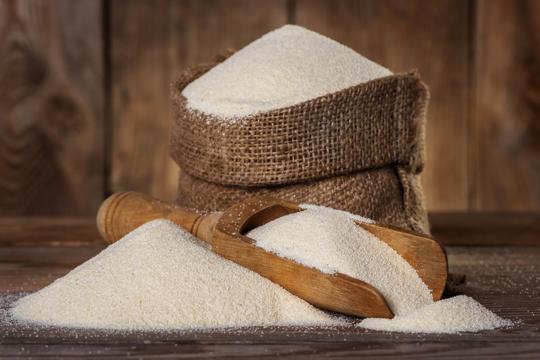
Semolina and farina may seem similar, but they are quite distinct.
Both semolina and farina can be used in certain recipes.
However, their different textures can affect the outcome.
Semolina's rough texture adds a pleasant chewiness to doughs and batters.
Farina's smoother texture creates a softer consistency.
Source and Processing
Source and processing are key factors in distinguishing semolina from farina.
Semolina is derived from durum wheat, known for its high protein levels, while farina is made from softer wheat.
The processing methods are different too.
Semolina is coarser and grainier, farina is smoother and finer.
Semolina is great for making pasta and couscous as it can keep its shape during cooking.
Its golden hue looks great too.
Farina is often used for breakfasts or to thicken soup and sauces due to its creamy texture.
Semolina goes through a tough milling process.
This includes taking out the endosperm from the bran and germ of the wheat grain to create a coarse flour.
Farina is milled to create a finer flour by only removing the bran and germ.
Both semolina and farina have unique features that can enhance recipes.
Their textures and flavors are great for different culinary uses.
Knowing their source and processing helps you pick the right ingredient for your next delicious creation.
Texture and Appearance
Semolina and farina are two popular ingredients.
They differ in texture and appearance.
Semolina has a coarse texture with a yellowish color.
Farina has a finer texture and is white.
These differences give them unique qualities and uses in different recipes.
Semolina's coarse texture brings a grainy mouthfeel and crunch to dishes.
It's great for pasta dough, bread, and puddings.
Its yellow hue adds a warm look to these foods.
Farina's finer texture lends itself to creamy and smooth dishes.
It absorbs liquid easily, making it great for porridges and puddings.
Its white color gives a beautiful presentation in desserts like custards.
Texture of both semolina and farina can vary depending on the brand or processing method.
Some brands offer semolina with a finer grind.
And variations in manufacturing can result in different textures of farina.
Nutritional Composition
Semolina and farina vary in their nutritional content.
Semolina is made from durum wheat, leading to higher levels of protein, fiber, iron, and B vitamins.
In comparison, farina derives from wheat germ and bran, making its carbohydrate content higher.
Semolina has a lower glycemic index than farina, making it a better option for individuals with diabetes or those wanting to control their blood sugar.
Nevertheless, both offer a good source of energy and fit into a balanced diet.
Culinary Uses
Semolina and farina-two popular culinary ingredients.
They're distinct and have their own uses.
Semolina, made from durum wheat, is great for pasta, couscous, breads, and desserts like halva.
Its coarse texture adds a crunch.
Farina, on the other hand, is made from soft wheat.
Perfect for hot cereals like cream of wheat-its smooth consistency makes breakfast bowls that can be customized with toppings.
These ingredients offer lots of possibilities in the kitchen.
But, you can't substitute semolina for farina.
They have different textures and cooking times.
Knowing the uses of semolina and farina is key to achieving the desired results.
Similarities Between Semolina and Farina
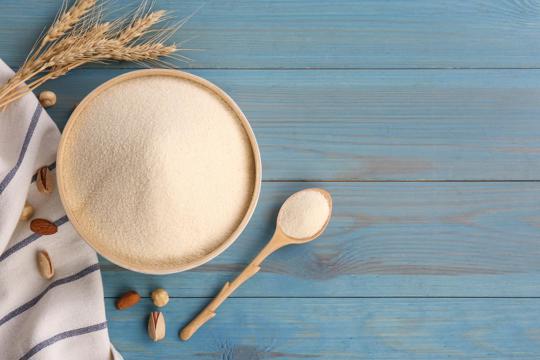
Semolina and farina are both made from wheat and have similarities, making them interchangeable in recipes.
But their production methods make them different.
Semolina is coarser and made from durum wheat.
Farina is finer and usually made from soft wheat.
These differences affect how they are used in cooking.
Semolina is good for pasta, couscous, and breads because of its gritty texture and high gluten content.
Farina's finer consistency makes it great for breakfast cereals like cream of wheat or to thicken dishes like puddings and soups.
Both semolina and farina give unique flavors and can be used in many dishs.
Cooking Tips and Recipes for Semolina and Farina
Searching for cooking tips and recipes with semolina and farina? You've arrived at the perfect spot.
These two ingredients seem alike, but there are differences.
Semolina is made from durum wheat, while farina comes from wheat middlings.
Both can be used in many recipes, from breads to pastas to desserts and breakfasts.
Using semolina for cooking? A top recipe is homemade pasta.
Mix semolina, eggs, and water for a dough. Roll it out and cut it into shapes.
Plus, semolina adds a crunch to desserts like halva or semolina cake.
Farina is ideal for breakfast dishes like cereals or porridge.
Cook it on the stovetop or in the microwave and add your favorite fruits, nuts, or spices.
Also, farina is a great thickening agent for soups or sauces.
More details? Did you know semolina is great for frying?
It makes a crispy layer while keeping the inside moist.
Also, farina is great for pancakes or waffles - it adds a light and fluffy texture.
Cooking Uses for Semolina and Farina
Semolina is made of hard durum wheat while farina is made of soft wheat.
Both are most commonly used to make pasta, but semolina is especially well-suited for pasta-making due to its grainy texture.
Farina can also be used in cooking and baking, offering a slightly sweet taste perfect for desserts like cream of wheat or porridge.
It's important to remember the differences between these two products so that the right one can be chosen for the best outcomes which is why it's essential to understand what goes into each product before making a purchase.
You now know more about the differences between semolina vs farina and how they can be best used - so get out there and start experimenting with your culinary pursuits today.
Frequently Asked Questions
The main difference between semolina and farina is in the type of grain used. They share some similarities but each has qualities that make it better suited for certain recipes.
It depends on the dish. Semolina and Farina share some overlap, but each shines in different preparations.
Swapping works best in forgiving recipes like soups or stews.
Pricing varies by brand and region, but one is typically more accessible at everyday price points. The other may cost more due to specialization or limited supply.
Is there a best time to use each one?
One shines in applications requiring subtlety and background support.
The other is better when it is meant to be a center.
Matching the right one to its role makes a noticeable difference.