
Generally, the dish known as Sha Cha (沙茶酱) Beef doesn't receive enough attention.
On the label of the sauce, it is frequently referred to as "Chinese BBQ Sauce" in English.
Shallots, garlic, dried shrimp, fish, and chilies are the main ingredients of the Sha Cha sauce.
However unappealing the ingredients may sound, the sauce itself has a mildly seafood flavor and a savory umami taste.
It is a mainstay on many menus, particularly for Sha Cha Beef.
So, let us understand how this sauce, combined with well-cooked, juicy beef, is served.
But first, what does Sha Cha Beef taste like?
What is Sha Cha Beef?
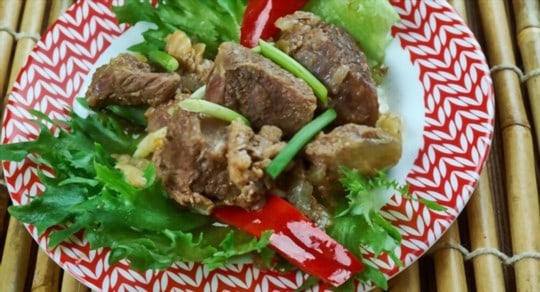
A combination sauce with roots in the Chaozhou area of Guangdong, China, is known as Sha Cha Sauce (沙茶酱).
It is frequently used in Fujian cuisine, Teochew cuisine, and Taiwanese cuisine.
It has a savory and slightly spicy flavor.
In hot pot dipping sauces, it is typically used as one of many condiments.
Sha Cha Beef is a Chinese dish that consists of beef strips that have been tenderized and mixed with shacha sauce - for a very different preserved-meat profile, compare with what beef jerky tastes like, flavor revealed.
It is often served with scallions and cilantro on a bed of white rice in the Americanized version of the dish.
Originally from the Gansu province of China, this dish is unique because it adheres to the fan-ts'ai principle, which involves balancing the proportion of grains/starches and vegetables/meat in a meal.
Typically, soybean oil, garlic, shallots, chilies, brill fish, and dried shrimp are used to prepare Sha Cha Beef.
Each ingredient's proportions can change, giving foods slightly different flavors.
After a savory Sha Cha beef meal, a citrus-based dessert can refresh the palate; for nine compatible pairings, explore what goes well with lemon in desserts, 9 best options.
What Does Sha Cha Beef Taste Like?
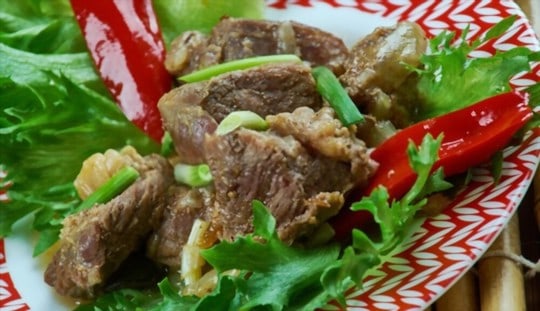
This recipe for Sha Cha Beef uses sirloin steak that has been spiced and cooked in a flavorful Sha Cha sauce with hints of coconut powder and ginger and is mildly spicy, smoky, and sweet.
The sauce is a sophisticated condiment with Taiwanese origins frequently added to stir-fries, soups, and grilled meats.
This dish has burnt orange oil with a thick sediment that resembles the oil from crispy chiles.
However, if you were to smell it, you would notice a potent aroma of sun-dried and concentrated seafood, such as baby shrimp and brill fish, as well as shallots, garlic, and chilies.
The sauce is full of umami and can improve the flavor of any dish, claims Diana Danxia Zheng, author of the cookbook Jia.
The Food of Swatow and the Teochew Diaspora.
Due to the movement of migrant workers and wars, the sauce was spread to various Southeast and East Asian countries, where it developed into its current complex form.
Satay was the sauce's original source.
As a result, Sha Cha Beef is a delicious dish that is both delicious and rich in history.
Sha Cha Beef supports the growth and mass of muscles because it is high in protein.
Also, it contains plenty of iron, niacin, riboflavin, vitamin B6, and vitamin B12, all of which can help lessen tiredness.
This dish also includes eight essential vitamins and minerals that support well-being and good health.
One of these nutrients, zinc, promotes healthy skin, hair, nails, cognitive function, fertility, reproduction, and the preservation of testosterone levels in the blood.
How to Serve Sha Cha Beef?
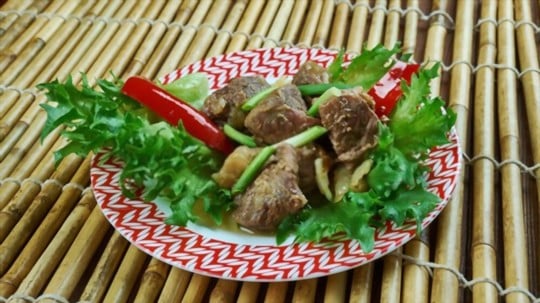
Yu Choy, or Chinese broccoli, are frequently blanched with salt and vegetable oil and served with Sha Cha beef.
The remaining beef sauce can flavor the vegetables, which makes them a good addition to the dish.
The vegetables can also offer a nutritional balance.
For a tender and crunchy texture, it is important to remove the rough skin on the stem.
The dish can be quickly made because the sauce can be made in advance.
Due to the savory and umami flavor combination, this dish is incredibly filling despite only requiring essential ingredients like beef, scallions, and Sha Cha sauce.
A nutritious meal must contain the right proportions of grains and vegetables, with ingredients chosen from each group.
Sha Cha beef is a traditional dish that fits the fan-ts'ai model and has been enjoyed for centuries.
Due to its tenderness and juiciness, thinly sliced flank steak is used to prepare this dish.
If you don't have flank steak, however, you could use another type of steak instead, such as hanger, top round, or skirt.
Once prepared, the Sha Cha beef can be stored in an airtight container in the refrigerator for up to three days.
To serve with the dish, some suggested options include broccoli, cauliflower, spinach, rice, or medium egg noodles.
When planning a complete meal, consider ending with an individual sweet course; try 15 single-serve desserts for when you deserve a treat to match portion size and convenience.
Unique Taste Elements of Sha Cha Beef
Sha ChaBeef is just one of the options you have when dining at a hot pot restaurant where there are many others.
Sha Cha is rarely the main component of stir-fried beef because everyone has different sauce preferences.
It is thought to be one of the best sauces, even superior to the highly prized Szechuan-style chili oil.
The sauce can be kept for the entire year and has the power to win anyone over on the first try.
You can therefore prepare Sha Cha Beef whenever you like.
Dive into additional savory profiles with what corned beef tastes like, flavor breakdown. For a roasted alternative, read what roast beef tastes like, tasting notes.
Frequently Asked Questions
But first, what does Sha Cha Beef taste like? It has a savory and slightly spicy flavor.
Each ingredient's proportions can change, giving foods slightly different flavors. Try it in a few different preparations to find which version you prefer.
Does Sha Cha Beef taste different when fresh versus stored?
Freshness matters.
Sha Cha Beef tends to have a brighter, more pronounced taste when fresh.
Stored or aged versions may develop mellower or slightly different flavor notes.
Significantly. Younger or less ripe versions are often sharper, more astringent, or more bitter.
As it matures, flavors typically mellow and deepen into something more complex and approachable.
Texture and taste are inseparable. A pleasant texture encourages slower eating and better flavor perception.
Off-putting textures - too mushy, too fibrous, or unexpectedly gritty - can make even good flavors less enjoyable.