
Have you ever come across a plant at the Asian supermarket that has a slight minty smell and looks like a large basil plant but isn't really basil? Well, you're probably looking at shiso.
From soups to salads to noodles and even tempura, shiso is widely used in Japanese homes and cuisines.
So, are you thinking of welcoming this herb into your home too?
If so, you should first learn what does shiso taste like.
This way, you can come up with your own unique shiso recipes that'll tempt your palate.
What is Shiso?
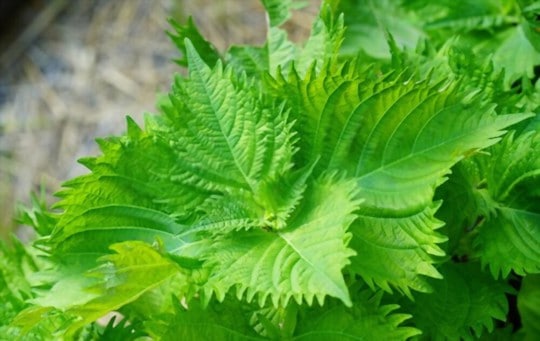
Shiso is the Japanese name for the aromatic herb perilla frutescens var.
Crispa, a member of the mint family, Lamiaceae.
There are several varieties of this herb, each defined by the structure of its leaves and color.
The most common varieties include red, green, bicolor shiso, etc.
In the cooking world, shiso is a star ingredient in both east and southeast Asian cuisines.
For example, in Japan, red shiso is used as a colorant in pickled plums.
While in Vietnamese cuisine, shiso is used widely in stir-fried dishes, salads, and soups.
Depending on the region, the flavor, appearance, as well as the name of the herb may vary.
For example, in Korea, it's called soyeop, while in Laos, red shiso leaves are known as pak maengda.
Because some shiso varieties have citrusy brightness, they can complement sweets - lemon dessert pairings: 9 best options highlights flavors that work well together.
What Does Shiso Taste Like?
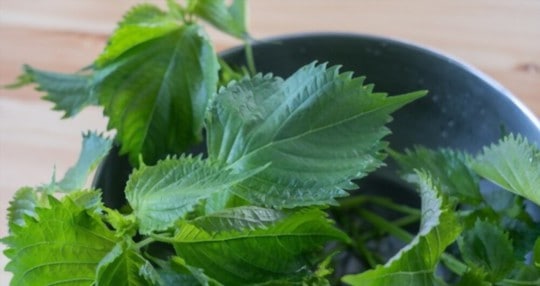
If you happen to visit an Asian restaurant in your place and you get an aroma of cilantro, basil, mint, or tarragon, it's very likely to be the fragrance of shiso.
Why? Because the herb reminds people of all the herbs and spices mentioned above.
It may also taste and smell like anise and spearmint at times.
Shiso has a mysterious, bright taste, and while it's aromatic, it's pungent and grassy.
Shiso is also fresh and has hints of citrusy notes - similar to acai berry taste guide explained.
The herb may also taste slightly sweet, with hints of bitterness at times.
While it's a popular culinary item, not everyone likes it, and many find it too overpowering.
But because of the lovely purple or green color, your dish will definitely look appealing.
The key to making the herb tasty and balance the flavor of the dish is to use it in small amounts.
If you use too much of it, the whole dish can become something else and not what you expected.
With the herb reminding you of so many different spices and plants, it can replace them when you don't have the others in hand.
While shiso is the most common name for the herb, it's also called Chinese basil, perilla mint, wild basil, or beefsteak plant.
Shiso isn't just pretty, aromatic, and flavorful, but it also contains plenty of nutrients.
It's rich in calcium and iron, and other substances.
A serving size of 0.3gms of shiso contains 0.1 calories.It has 0 fat,0mg cholesterol, 0.1mg sodium, 1.4mg potassium, calcium, iron, and vitamin A and C.
It's a popular ingredient in Chinese traditional medicine, and people use it to alleviate colds, flu, asthma, and other respiratory problems.
How to Cook and Use Shiso?
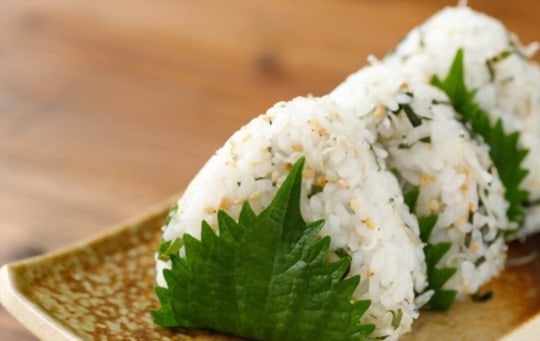
Generally, shiso is used as a garnish - try it atop 22 veggie sides that cook in under 12 minutes for quick flavor boosts.
The most common way to use raw shiso is by mincing the leaves and sprinkling them on top of a dish before serving.
Shiso can also be used as a wrap, similar to how you would use lettuce or nori sheets.
For example, shiso leaves are used as a wrap for sushi in Japan.
One of the most popular shiso dishes is tempura.
In this dish, shiso leaves are battered and fried till crisp.
They are then served with a delicious dipping sauce on the side.
Besides, the herb also pairs exceptionally well with fatty seafood and meat.
Just make sure to wash the shiso leaves thoroughly to get rid of any dirt or impurities before using them.
If you get your hands on overgrown shiso herbs, you can try making a delicious pesto sauce instead of discarding them.
They also add a nice touch of flavor to dipping sauces, sashimi bowls, and mixed fried rice.
Did you know that you can even enjoy the herb as a drink? Yes, the red variety is usually used for making juices and syrup, which can last you for up to 3 months when refrigerated.
Taste Profile of Shiso Herb
Because shiso has a similar flavor to many herbs and spices, you can use it as a substitute when you don't have the other ingredients.
But since it has a strong aroma and taste, use it sparingly, and your dish will taste incredible.
You can use it with meat, fish, eggs, shrimp, and veggies.
Add it to salads, stews, soups, and other dishes to get that lovely fragrance.
Or you can top the leaves on various dishes to improve the appearance.
If you don't want to consume it, you can simply put them aside.
You'll still have the smell, but not in an overpowering way.
Frequently Asked Questions
If so, you should first learn what does shiso taste like. Shiso is the Japanese name for the aromatic herb perilla frutescens var.
Depending on the region, the flavor, appearance, as well as the name of the herb may vary.
Several foods share flavor notes with Shiso. Tasting similar items side by side is the easiest way to map out what you enjoy and find new favorites.
Can you adjust the intensity of the flavor?
Yes.
Pairing it with acidic, sweet, or fatty components shifts the perceived intensity.
A squeeze of citrus brightens mild flavors, while fats like butter or oil mellow sharper ones.
Avoid pairings that clash with its dominant flavor note. Competing intensities - very sweet with very sour, or heavy with delicate - tend to obscure rather than go with the taste.
Exploring substitutes can help when shiso isn't available - shiso substitutes: five alternatives and acai berry taste guide explained provide complementary reference points.