
If you're out of Shiso Leaves, reach for Basil, Korean Perilla (Egoma), Pickled Plum (Umeboshi), Grape Leaves, and Mint Leaves.
Basil, is a popular herb used in various Asian cuisines for its unique flavor and aroma.
For cooking, Korean Perilla (Egoma) also works well - adjust the amount to taste.
We've got the details on the top five swaps you'll love.
Shiso leaves have a unique zing that's hard to replicate. Yet, sometimes, they just aren't on hand.
What then? We're here to shed some light on alternatives that could save your dish.
Our kitchens are full of surprises. And so is this list.
From common finds to those "aha!" ingredients, we're showing choices that'll keep your meals exciting.
This isn't just about substitutions. It's about keeping the magic in your cooking without breaking stride.
Short on shiso? No problem.
The 5 Best Substitutes for Shiso
Shiso, also known as perilla or Japanese basil, is a popular herb used in various Asian cuisines for its unique flavor and aroma.
However, if you can't find shiso or are looking for alternative options, there are several substitutes that can provide similar characteristics - and sometimes a recipe calls for other swaps like eggs substitutes for meatballs when ingredients act as binders.
| Substitute | Key Characteristics | Proper Ratio |
|---|---|---|
| Basil | Aromatic with a hint of sweetness | Use an equal amount of basil as a substitute |
| Korean Perilla (Egoma) | Earthy and slightly minty | Use an equal amount of Korean perilla as a substitute |
| Pickled Plum (Umeboshi) | Tangy and salty with a hint of sweetness | Use sparingly as a garnish or seasoning |
| Grape Leaves | Mild with a slightly tangy flavor | Use an equal amount of grape leaves as a substitute |
| Mint Leaves | Refreshing with a cool, slightly sweet flavor | Use an equal amount of mint leaves as a substitute |
Here is a closer look at each option:
1 - Basil
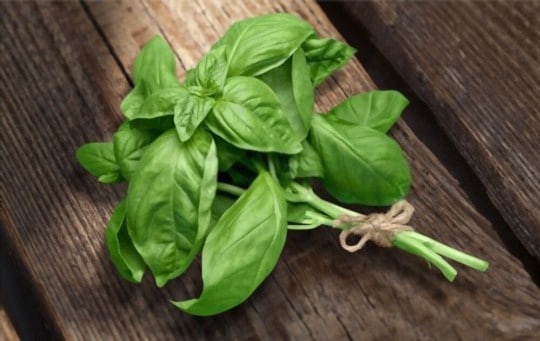
Basil is a very popular herb used in many dishes.
Both does it add a refreshing and floral taste to your meal, but basil also has several health benefits.
It not only looks great with its dark green leaves, but it tastes great too.
This herb is easy to maintain - make sure that you place it in direct sunlight and water it regularly.
When choosing a basil plant to use as a substitute for shiso, opt for either the sweet basil or Thai basil varieties - and if basil is the key swap, consider basil substitutes for pesto for pesto-specific options.
These are known to have a strong taste, which is just what you want when trying to replicate the flavor of shiso in your meal.
- Key Characteristics: Basil is an aromatic herb with a hint of sweetness. While it does not have the exact flavor of shiso, it can still add freshness and depth to dishes.
- Proper Ratio: Use an equal amount of basil as a substitute for shiso. Adjust the quantity based on your taste preferences and recipe requirements.
2 - Korean Perilla (Egoma)
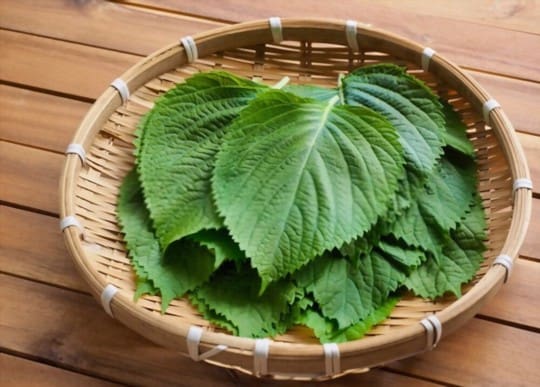
This herb is also commonly known as Japanese shiso and is a member of the mint family.
Its unique aroma and flavor make it a great alternative to shiso if you can't find it in your local grocery store.
It has pretty green leaves with purple stems and small flowers.
The taste of this herb is quite similar to shiso - it has a slightly peppery taste with a hint of mint.
Usually, people use it in salad dressings or as an essential ingredient for many tasty dishes.
Compared to shiso leaves, Korean perilla leaves are often smaller and more tender - for other Korean ingredient swaps, see Korean radish swap suggestions that work in similar preparations.
So, you may need to use more of them to achieve the same impact.
- Key Characteristics: Korean perilla, also known as egoma, has an earthy flavor with a hint of mintiness. It has a similar taste profile to shiso and can be used as a direct substitute in many dishes.
- Proper Ratio: Use an equal amount of Korean perilla as a substitute for shiso. Adjust the quantity based on your taste preferences and recipe requirements.
3 - Pickled Plum (Umeboshi)
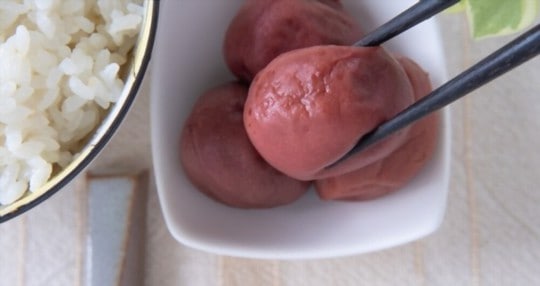
Umeboshi is a Japanese condiment that's made from pickled plums.
Traditionally, it is prepared with ume fruit salt-fermented in barrels for at least six months.
This fruit has a sour and salty taste, making it the perfect substitute for shiso leaves in many dishes.
This condiment is often used in many Japanese dishes, including rice balls and sushi - for other fruity condiments, try plum sauce swap ideas that mimic sweet-tart profiles.
It may also be mixed with other ingredients to make a tasty dressing or sauce for salads.
So, using this as a substitute for shiso is easy.
Just ensure that you chop the umeboshi finely before adding it to your dish.
- Key Characteristics: Pickled plum, or umeboshi, has a tangy and salty flavor with a subtle sweetness. While it is not a direct replacement for the fresh herb, it can be used as a garnish or seasoning to provide a unique twist to dishes.
- Proper Ratio: Use pickled plum sparingly as a garnish or seasoning. The intense flavor calls for moderation to avoid overpowering the dish.
4 - Grape Leaves
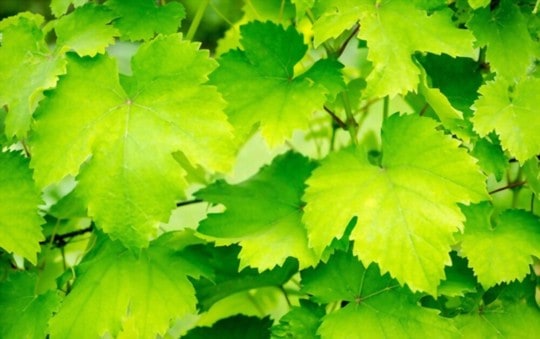
These leaves are often used as a wrapper for rice and meat mixtures.
When cooked, grape leaves have a unique flavor that some people describe as being similar to the taste of grass.
In addition, they may also be used as a salad or an appetizer.
Most grape leaves are pickled and preserved in either brine or vinegar - if a vinegar flavor is central, see grape vinegar alternative options for comparable tang.
This is so that their freshness can be maintained for a long time.
To use this as a substitute for shiso, try using the grape leaf as a wrapper instead of an ingredient.
Just slice it thinly and grill it quickly before adding your favorite ingredients.
- Key Characteristics: Grape leaves have a mild flavor with a slightly tangy note. While they do not have the exact taste of shiso, they can contribute to a similar overall flavor when used in wraps or as a wrapper for sushi rolls.
- Proper Ratio: Use an equal amount of grape leaves as a substitute for shiso when using them as a wrapper or in wraps. Adjust the quantity based on your taste preferences and recipe requirements.
5 - Mint Leaves
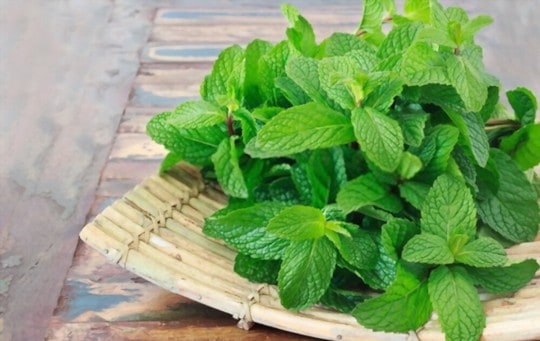
Last but not least, mint leaves are a great alternative to shiso.
It is often used as a garnish on dishes, and some people even use it as an essential ingredient in their meals.
Mint leaves have a strong aroma that some describe as similar to pine or menthol.
In addition, they may also be used for making tea.
Mint leaves are very easy to find - especially in the spring and summer months.
Just ensure that you buy them fresh from your local farmers' market or grocery store.
Mint is quite easy to maintain - place it indoors near a window to receive direct sunlight.
It should stay fresh for about two weeks if kept at room temperature.
- Key Characteristics: Mint leaves are refreshing and have a cool, slightly sweet flavor. While they differ from shiso in taste, they can add a pleasant burst of freshness to dishes such as salads or summer rolls.
- Proper Ratio: Use an equal amount of mint leaves as a substitute for shiso. Adjust the quantity based on your taste preferences and recipe requirements.
You might also want to know what shiso tastes like.
Frequently Asked Questions
Basil, Korean Perilla (Egoma), Pickled Plum (Umeboshi), Grape Leaves, and Mint Leaves. Use it at a 1:1 ratio in any recipe that calls for Shiso Leaves.
Absolutely. Basil is the closest swap.
Korean Perilla (Egoma) also works in a pinch. Match the original amount and tweak from there.
Can this substitute be used in baking as well as cooking?
Some work in both, but baking is less forgiving.
Substitutes that alter fat content, sweetness, or moisture can shift the structure of baked goods.
Test with a small batch first.
Frozen substitutes sometimes change texture after thawing. This matters more in raw applications like salads than in cooked dishes where texture is softened by heat anyway.
Herb swaps often pair with other ingredient swaps. eggs substitutes for meatballs tackles a protein binder swap. mint substitute options list helps when fresh mint is unavailable.