
We've been there. Turns out, it's all about the squeeze.
Slow juicers chew fruits and veggies to a pulp. T4Cold presses?
They squash them until every last drop of juice gives up. T8We've tried both - yup, for science (and snacks).
Juicing fans, gather 'round. We're spilling the juicy secrets.
And our kitchens? They've seen things.
This isn't just info. It's our juicy juicing saga.
Understanding Slow Juicers
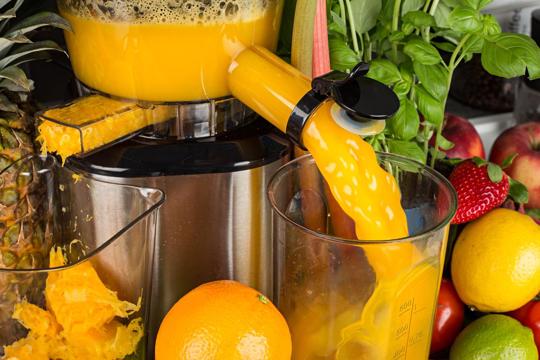
Slow juicers, also known as cold press juicers, are a popular choice among health-minded people.
These machines crush and press fruits and veggies - leading to higher nutrient retention than traditional juicers.
The slow process minimizes oxidation and heat, preserving natural enzymes and antioxidants.
Juices are not only tasty but also full of essential vitamins, minerals, and phytonutrients.
Key advantages of slow juicers are their ability to extract more juice from less produce.
This is possible due to the slow spinning auger applying gentle pressure.
You get more juice and less waste.
Also, no high-speed blades means less foam and longer shelf life.
Slow juicers offer versatility too - from leafy greens to hard fruits, they handle a wide variety of ingredients.
Adjustable settings let you customize pulp level to your liking.
Plus, they often provide extra functionalities such as nut milk and baby food.
In summary, slow juicers are a must-have for anyone wanting to incorporate fresh juices into their daily routine.
With nutrient preservation and creative combinations, these machines provide a healthier alternative to store-bought juices.
So, start exploring slow juicing today.
For those weighing kitchen appliance options, a slow cooker vs Instant Pot comparison for home cooking choices can help decide which device fits a juicing and meal routine.
Understanding Cold Press Juicers
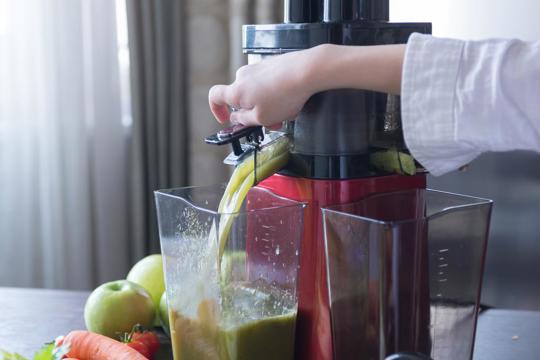
Cold press juicers, also known as slow juicers, are an efficient way to extract juice from fruits and veggies.
Unlike traditional juicers that chop and spin quickly, cold press juicers work at a slower pace.
This gentle process preserves natural nutrients and enzymes, creating a healthier product.
Cold press juicers generate less heat, which is important.
Heat can destroy vitamins and minerals found in produce.
Low temperature keeps these beneficial compounds intact.
Cold press juicers also extract more juice from your produce.
Their slow masticating action breaks down cell walls, releasing more juice.
More bang for your buck when buying fresh produce.
Cold press juicers are easy to clean and maintain.
Most have removable parts that can be rinsed under running water.
With minimal effort, you can keep your juicer in top shape and enjoy delicious and nutritious juices for years.
Anyone curious about cold extraction methods may find the expeller pressed vs cold pressed oil comparison for extraction differences useful for understanding similar low-heat processing benefits.
Differences Between Slow Juicers and Cold Press Juicers
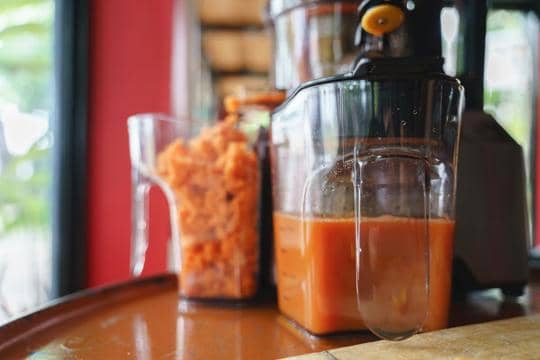
Slow and cold press juicers are two types of juicing machines.
Both have different operations and benefits.
A related breakdown like cold press vs cold brew comparison for beverage methods highlights how slow, low-temperature techniques change flavor and nutrient profiles.
Mechanism of Juice Extraction
Juice extraction is complex.
One technique is the slow juicer.
It operates at a low speed, allowing for a gentle extraction of juice.
This preserves nutrients and enzymes.
The cold press method uses pressure to get every drop of juice.
Resulting liquid is rich in nutrients and free from oxidation.
Both methods produce delicious, nutritious juice.
But, they vary in speed and efficiency.
Slow juicers may take longer.
But, preserving nutrients and flavor is superior.
Versatility also differs.
Slow juicers work best with soft fruits and veggies.
Cold press machines are better for hard ingredients.
For a consumer-focused look at how extraction style affects final texture, see the Jamba Juice vs Smoothie King comparison for texture and ingredient handling as an analogous example.
Speed of Juicing
Text: Juicing speed is key when picking the right juicer.
Slow juicers and cold press juicers are both popular options.
But, they differ in how they operate.
Slow juicers turn at low speeds, from 40 to 80 RPM.
This keeps heat and oxidation low, keeping nutrients in the juice.
Plus, it produces less foam and preserves the flavor.
Cold press juicers use a hydraulic press system to extract juice.
This avoids heat, which helps keep more nutrients and enzymes in the juice.
Also, slow juicers come with wide feeding chutes.
So, you don't need to cut and slice ingredients before juicing.
Slow juicers and cold press juicers both operate at lower speeds than traditional juicers.
But, their methods differ.
Slow juicers rely on slow rotation, while cold press juicers use pressure.
Both methods keep heat down, giving you nutrient-rich juice with great taste.
Heat Generation
Heat production is a factor to consider when deciding between a slow juicer and a cold press machine.
These appliances differ in the amount of heat they generate during juicing.
Slow juicers generate low heat.
They use a masticating or chewing action to grind and press fruit and vegetables, extracting juice without much heat.
This preserves the enzymes, vitamins and minerals in the juice, making it nutrient-rich.
Cold press machines have a hydraulic system that extracts juice from produce.
Heat can be generated by this system, but it is usually minimal compared to traditional centrifugal juicers or blenders.
Cold press machines still offer benefits over centrifugal juicers.
The slow extraction process preserves more nutrients and stops foam and oxidation.
This makes for a better tasting and healthier juice.
When choosing between a slow juicer and a cold press machine, it is important to consider their heat generation.
By choosing machines with low heat generation, like slow juicers or cold press machines, you can ensure your juice has maximum nutrition and taste.
Nutrient Retention
Nutrient retention is a key factor when picking between a slow juicer and cold press.
These two juicing techniques have different ways of keeping the nutrients of fruits and veggies.
A slow juicer crushes and squeezes produce slowly.
This gentle process avoids heat creation, which can lead to nutrient loss due to oxidation or high temperatures.
As a result, more vitamins, minerals, and enzymes are kept in the juice.
Cold press juicers use pressure to get juice from fruits and veggies.
The produce is shredded into pulp, and then pressed with strong force.
This method also helps keep important nutrients by lessening exposure to heat.
Cold press machines have a special feature-they work at low temperatures, usually below 120 degrees Fahrenheit.
This temperature range guarantees the important enzymes in fresh produce are still intact during the juicing.
To sum up, both slow juicers and cold press machines are great at preserving nutrients during juice extraction.
Slow juicers crush and squeeze gently, while cold press machines use pressure at low temperatures.
Ultimately, it's important to choose an approach that fits your health goals and preferences.
Similarities Between Slow Juicers and Cold Press Juicers
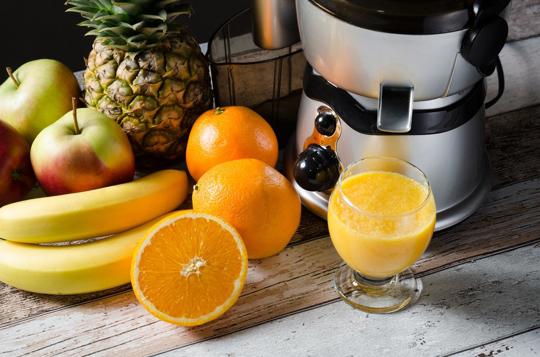
Juicing is trendy for getting more fruits and veg into our diets.
Yet, slow juicers and cold press juicers are often mixed up.
Their method for extracting juice and health benefits are similar.
Both of these juicers use low-speed crushing and squeezing of produce to get juice.
This careful process maintains the natural flavors, enzymes, and nutrients in the juice.
And, they spin at a slow speed to stop oxidation and heat building up.
This means the juice lasts longer.
Also, they both have a higher juice yield than traditional juicers.
This means you get more juice from the same amount of produce, reducing waste.
Still, there are details that make them unique.
Slow juicers usually spin at 40-80 revolutions per minute (RPM), while cold press juicers spin at 30-45 RPM.
The lower RPMs mean less heat and oxidation.
The design of the juicing mechanism also differs.
Slow juicers usually have an auger or gear system.
Cold press juicers use hydraulic pressure or pneumatic systems.
Slow juicers and cold press juicers have similar extraction processes and juice yields.
But they differ in speed range and design.
Both give you the chance to get more vitamins, minerals, and antioxidants through juices.
So pick your favorite and enjoy the health benefits and tasty homemade juices.
Comparisons such as cold pizza vs hot pizza comparison for temperature-driven differences illustrate how serving temperature and method can change flavor and shelf life in other foods too.
Benefits and Drawbacks of Slow Juicers and Cold Press Juicers
Slow and cold press juicers have their own plus points and minuses.
Both are famous for their ability to squeeze juice from veg and fruits, but they differ in how they work.
One big advantage of slow juicers is they use a mild grinding and pressing action to get juice out.
This slow process preserves the original flavour and vitamins.
Slow juicers also make less heat, so oxidation is avoided and juice stays fresh.
Cold press juicers, though, use hydraulic pressure.
This method is believed to be more effective, leading to higher yields than slow juicers.
They tend to be easier to clean too, since they have less parts to take apart and wash.
But slow juicers are more flexible when dealing with different types of produce.
They are good at processing leafy greens and wheatgrass, so they're often used to make green juices.
Cold press juicers may not work as well with these ingredients.
Downsides of both juicers include high cost compared to traditional centrifugal models.
Plus, slow and cold press juicers take longer to make juice than centrifugal ones.
When weighing pros and cons of different tools, a garlic press vs mince comparison for prep trade-offs shows how convenience and flavor impact choice-similar factors apply to juicers.
Slow Juicer vs Cold Press Juicer Features
Wrapping up our chat on slow juicers and cold press - these two terms are often used interchangeably.
But, there are differences.
Slow juicers usually refer to juicers that turn at a slower speed than traditional ones.
Cold press, on the other hand, is a process of crushing fruits and veg without adding heat or oxygen.
Slow juicers can do cold pressing, but not all cold press machines are slow juicers.
So, when picking a juicer, think carefully about what you need.
Factor in material retention, juice quality, and ease of use.
Ultimately, choose a juicer that suits your needs and lifestyle.
Frequently Asked Questions
Ever stared at kitchen gadgets, wondering what the heck makes a slow juicer different from a cold press? They share some similarities but each has qualities that make it better suited for certain recipes.
Sometimes. Slow Juicer works where Cold Press is called for in certain dishes, but not all.
Check whether the recipe relies on a specific quality before substituting.
Cold preparations like salads and dressings often favor the option with a sharper, more defined flavor. Heat can mellow both, so the distinction matters more in uncooked dishes.
Do professional cooks prefer one over the other?
Professional preference depends heavily on the dish and cuisine style.
Each has its context where it outperforms the other, so most experienced cooks keep both on hand.
Coffee brewing method comparisons reveal how technique shapes flavor. Coffee Maker vs French Press comparison for flavor trade-offs shows those differences. Tortilla Press Wood vs Cast Iron comparison for durability and press results illustrates how material and design influence performance.