
Summary of key points
The main difference between expeller pressed oil and cold pressed oil is the method used to extract the oil. Expeller pressing involves using machinery to physically press the oil out of the source, while cold pressing uses a hydraulic press to extract the oil.
In terms of taste, both types of oils can have similar flavors depending on the source from which they are extracted. However, some believe that cold pressed oils retain more of the natural flavor and nutrients from the source compared to expeller pressed oils.
Another difference to consider is the smoke point, which is the temperature at which an oil begins to burn and produce smoke. Cold pressed oils generally have a lower smoke point compared to expeller pressed oils, making them more suitable for lower heat cooking methods.
In the kitchen, we all want the best for our salads and stir-fries. Choosing the right oil can make or break a dish.
There's a whole debate out there: expeller pressed vs cold pressed oils.
Expeller pressed oil? That's the strong, tough cousin in the oil family.
It's made by squeezing the crud out of seeds and nuts - no chemicals, just pressure.
Cold pressed oil is the gentle one. Pressed slowly, whisper-quiet, to keep flavors pure and nutrients intact.
We've been there, staring at bottles in the grocery aisle, puzzled.
Our experiences? They've taught us that knowing your oils can seriously up your cooking game.
What is Expeller Pressed Oil?
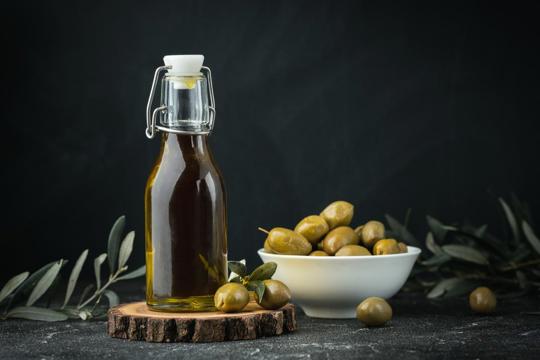
Expeller pressed oil is a type of oil derived from seeds and nuts with an expeller press - for pairing ideas where bright flavors work, see lemon dessert pairing ideas that show compatible flavor matches.
Mechanical pressure is used to extract the oil.
It is popular because of its efficiency and simplicity.
Heating the seeds or nuts first is necessary to make them more pliable.
Then, they are fed into the expeller press.
A rotating screw applies pressure to crush the seeds and release the oil.
This pressure helps to extract the natural oils, resulting in pure and high-quality oil.
No chemicals or solvents are used during the extraction process of expeller pressed oil.
This means no external substances are added to alter the natural composition.
So, the oil retains its original flavor, aroma, and nutritional properties.
You can also press at different temperatures.
It can affect the yield and quality of the oil.
For example, lower temperatures (below 120°F) are best for producing high-quality oil with better taste and nutrition.
Expeller pressed oil is extracted using mechanical pressure without chemicals.
It's an efficient way to obtain pure oils from various seeds and nuts, preserving their natural characteristics.
What is Cold Pressed Oil?

Cold pressed oil is made from nuts, seeds, and fruits, with no heat or chemicals - see cold press vs cold brew comparison for how cold extraction differs from other cold techniques.
It is crushed using hydraulic presses or traditional stone mills, without compromising its natural properties.
This results in high-quality oil that is packed with vitamins, minerals, and antioxidants.
Plus, it has a strong taste, making it great for cooking.
Lastly, cold pressed oil may have health benefits such as improved heart health, reduced inflammation, better immunity, and healthier skin.
All in all, cold pressed oil is a great way to boost your well-being.
Differences Between Expeller Pressed Oil and Cold Pressed Oil

Expeller pressed oil and cold pressed oil are both extracted differently.
Both are suitable - for choosing between neutral and nutty profiles, compare canola vs sunflower comparison to see how different oils perform.
The main consideration is the desired outcome, as the extraction method affects the oil's flavor, nutritional content, and appearance.
So, it's a matter of personal preference.
Pressing Method
Pressing Method is essential for oil quality and characteristics.
Expeller pressed and cold pressed are two popular choices, giving different results.
Expeller pressing requires a machine to apply pressure on the seeds or nuts.
This produces heat and extracts the oil from the material.
It's commonly used for seeds with higher oil content like soybean or sunflower.
Cold pressing, however, is a process to mechanically extract oil without any external heat.
This helps retain more flavors, aroma, nutrients, and antioxidants.
Cold pressed oils are usually made in small amounts to preserve their quality and are favored for their pureness.
Expeller pressed oils have a higher smoke point, apt for high-temperature cooking like frying or deep-frying.
Cold pressed oils, however, keep their original flavors and nutrition due to minimal processing.
They are usually used in dressings, marinades, dips, or as finishing oils.
To decide between these methods, consider the desired outcome.
Expeller pressed oil is suitable for cooking, while cold pressed oil preserves flavor and nutrition.
Temperature Control
Cooking oils come in different forms. The production method impacts their quality.
Heat helps to control the taste, smell, and nutrition of the oil.
Expeller pressed oil requires moderate heat for extraction.
This breaks down the cell walls and releases oil. It preserves taste and nutrients.
Cold-pressed oil is extracted with minimal or no heat.
This keeps beneficial compounds and natural flavors.
Cold-pressed oils have longer shelf life due to low oxidation levels.
Temperature also impacts viscosity. It determines oil's consistency.
Heat can make oils thicker, while others remain fluid.
Temperature control is essential in oil production.
This allows manufacturers to customize flavors and preserve nutrition, while making sure long shelf life.
Extraction Process
The extraction process is essential for oil quality and nutrition.
Expeller pressing involves mechanically extracting oil from seeds or nuts, without chemicals or solvents, preserving natural flavors and nutrients.
Cold pressing, however, is when seeds or nuts are crushed and ground at low temperatures, preserving flavors and nutrition.
Cold pressing uses hydraulic presses to extract oil without heat or chemicals, which makes the oil more nutritious than expeller pressed oils.
Both extraction methods have advantages; expeller pressed oil is mechanically extracted, and cold pressed oil is preserved through a careful process.
Ultimately, it's up to you to decide which one satisfies your taste and nutritional needs.
Flavor and Aroma
Expeller pressed oil has a stronger, more strong flavor than cold pressed oil.
It keeps the natural flavors of nuts/seeds used in the extraction.
Cold pressed oil is made using hydraulic press without heat, preserving the delicate flavors and aromas of the nuts/seeds - see extract vs flavor comparison for how extraction methods influence taste profiles.
Expeller pressed oil has a rich taste, perfect for salads, marinades and dips.
Its nutty undertones add depth to savory and sweet recipes.
But be careful, as its intense flavor can overpower other ingredients.
Cold pressed oil has a lighter, more subtle taste.
Ideal for recipes needing a gentle infusion of flavors.
Plus, it gives the health benefits of the seed/nut used in the production.
It's important to understand the differences in flavor and aroma between these two oils when cooking.
Try both options and see which suits your palate best.
Similarities Between Expeller Pressed Oil and Cold Pressed Oil
Expeller pressed oil and cold pressed oil have many common features.
They are both made without chemicals or solvents - for alternative ways to apply oils in cooking, read oil mister vs cooking spray comparison detailing practical uses.
Also, they retain more of their natural flavors and nutrients than other methods of oil extraction.
Both of these oils are perceived to be healthier as they are not exposed to high heat.
For cooking and baking, they are excellent choices, as they provide a rich flavor and are versatile.
Also, the production process of these oils is similar.
First, the seeds or fruits must be chosen and cleaned.
Then, they are mechanically crushed or ground into paste.
After that, the paste is heated slightly and slowly pressed to extract the oil.
This delicate process helps maintain the flavor and nutrients of the seeds or fruits.
Also, skincare products often use expeller pressed and cold pressed oils due to their nourishing qualities.
Moisturisers, serums and facial cleansers can contain these oils, as they can hydrate the skin deeply, without blocking the pores.
Uses and Culinary Applications of Expeller Pressed Oil and Cold Pressed Oil
Expeller pressed oil and cold-pressed oil have a range of uses in cooking.
Both oils are derived from seeds, nuts, or fruits, and their extraction methods affect the flavor, nutrients, and cooking properties.
Expeller pressed oil is extracted by forcing the oil out of the source material.
This usually involves crushing the seeds or nuts using a mechanical method before applying pressure to get the oil.
It has a higher smoke point, making it suitable for higher temperature cooking like frying and sautéing - compare ghee vs olive oil comparison to choose fats by cooking temperature.
Plus, its flavor is neutral, perfect for recipes where you don't want the oil to overshadow the other ingredients.
On the contrary, cold-pressed oil is extracted by squeezing the source material at low temperatures without any extra heat or chemicals.
This preserves more of the natural flavors and nutrients in the seeds or nuts.
However, the smoke point of cold-pressed oils is lower than expeller pressed oils, meaning they may not be suitable for high-heat cooking.
But they work great in dressings, dips, marinades, and other recipes that benefit from their distinct flavors.
In addition to their culinary uses, both types of oil have potential health benefits.
Expeller pressed oils keep some of the antioxidants and essential fatty acids from the source material.
These have been linked to reducing inflammation and promoting heart health.
Similarly, cold-pressed oils are known for their high levels of omega-3 fatty acids and vitamin E.
When deciding between expeller pressed oil and cold-pressed oil, consider your cooking needs and desired flavors.
Expeller pressed oil is ideal for high-heat cooking while maintaining a neutral flavor.
Cold-pressed oil offers unique flavors that work well in certain dishes but may not be able to withstand strong heat.
By understanding these differences, you can make educated choices when selecting oils for your culinary projects.
Health Benefits and Nutritional Value of Expeller Pressed Oil and Cold Pressed Oil
Both expeller pressed oil and cold pressed oil boast unique health benefits and nutritional value.
Extraction processes differ, resulting in differing characteristics.
Expeller pressing uses mechanical pressure to extract oil.
This method retains natural flavors & aromas, plus has a higher smoke point for high-heat cooking.
It also helps retain vitamins & antioxidants, making it a healthier option.
Cold pressed oil, on the other hand, is known for its exceptional flavor & nutrition - see white vs black truffle oil comparison for an example of how oil type alters both taste and perceived value.
A gentler process at lower temperatures preserves heat-sensitive compounds, including essential fatty acids, vitamin E & phytochemicals.
Which option is best? That depends on personal preference & cooking needs.
Expeller pressed oil is great for high-heat cooking, while cold pressed oil stands out in dishes where its distinct flavor is highlighted.
Both oils promote a healthy diet.
Benefits of Expeller Pressed vs Cold Pressed Oil
Expeller pressed oil and cold pressed oil are both popular cooking choices.
Expeller pressing involves mechanical force to extract oil from seeds/nuts.
Cold pressing uses low heat to extract the oil.
Expeller pressed oil is more affordable and widely available.
It has a mild flavor and high smoke point, good for frying and sautéing.
It also goes through a refining process, resulting in a clearer, more stable oil.
Cold pressed oil is of higher quality.
Low heat during extraction helps preserve natural flavors and nutritional value.
It's used for dressings, dips, and drizzling.
But it has a lower smoke point, so not suitable for high-heat cooking.
Frequently Asked Questions
The main difference between expeller pressed oil and cold pressed oil is the method used to extract the oil. They share some similarities but each has qualities that make it better suited for certain recipes.
Often, yes. The two share enough common ground that most palates won't notice a swap.
Expeller Pressed Oil is usually milder while Cold Pressed Oil brings more intensity.
Nutritional differences exist but are often minor in typical serving sizes. Neither is universally healthier - it depends on what specific nutrients or dietary goals you are focused on.
Which stores better after opening?
Once opened, one keeps better in the refrigerator with proper sealing.
The other may oxidize or separate more quickly, so using it promptly or in smaller quantities works better.
Peanut and sesame oils often fill similar roles in cooking. peanut vs sesame oil comparison explains typical uses and flavor differences. Regional olive oil styles also matter for recipes - Greek vs Italian olive oil comparison outlines how origin influences taste.