Summary of key points
The main difference between a tangelo and an orange is the variety of fruit. Tangelos are a cross between a tangerine and grapefruit, while oranges are from the citrus family.
In terms of taste, tangelos have a sweeter and more complex flavor compared to oranges, which can have a stronger tartness. Tangelos may also have thinner skin and juicier flesh than oranges.
From a nutritional standpoint, both fruits are great sources of vitamin C and other nutrients. However, tangelos may have higher amounts of certain antioxidants compared to oranges.
Another difference to note is the availability of these fruits. Tangelos are typically only available during their peak season in winter, while oranges can be found year-round.
Ultimately, both tangelos and oranges make delicious additions to a healthy and balanced diet.
We've been there. Tangelos and oranges, they're not twins, yet not strangers.
Tangelos, the cool hybrid kids on the block, come from tangerines and pomelos or grapefruits. Larger than your average orange, they pack a juicier punch.
Oranges, these old-school classics, bring that familiar sweet and slightly tangy flavor we all know.
Here's the kicker - we tried both, thinking, "It's just citrus, right?" Wrong. The taste test?
A revelation.
Join us as we peel into their differences, flavors, and uses. It's a citrus showdown not to be missed.
What is a Tangelo?

Tangelos - a citrus hybrid - are known for their unique flavor combo.
It's a cross between tangerines and grapefruits, so it's sweet and tangy.
They're oval-shaped and bright orange, with a thin, easy-to-peel skin.
Juicy and refreshing, they're great for snacking and juicing.
Their flavor is special - the sweetness of tangerines and tartness of grapefruits, all in one.
So, tangelos provide a unique taste experience that's both satisfying and refreshing.
Nutrition-wise, tangelos are great too. Vitamin C to boost your immune system.
Dietary fiber for good digestion.
Plus, they're low in calories and fat, and full of antioxidants. Perfect for a healthy diet.
For citrus-forward dessert pairing ideas that work similarly, see what goes well with lemon in desserts - 9 best options.
What is an Orange?

Oranges, scientifically called Citrus sinensis, are a citrus fruit that is famous for its juicy and refreshing flavour.
They have a round shape and a bright orange colour - which fits their name.
Oranges are from the Rutaceae family and originate from Southeast Asia.
This unique fruit has a thick outer peel, which can be easily taken off to uncover the pulpy flesh inside.
This flesh comprises many segments filled with tangy, vitamin C-rich juice.
Oranges are quite versatile and can be enjoyed in multiple ways.
You can eat them whole, juice them for a drink, or use them in cooking and baking recipes for flavour and zest.
Their sweet-tangy taste appeals to people of all ages.
Apart from being delicious, oranges also provide plenty of health benefits.
They are full of antioxidants that help fortify the immune system and prevent diseases.
Plus, they contain fibre for digestion and natural sugars for energy.
For fresh, zesty pairings that can complement citrus dishes, try what to eat with guacamole combos.
Differences Between Tangelo and Orange
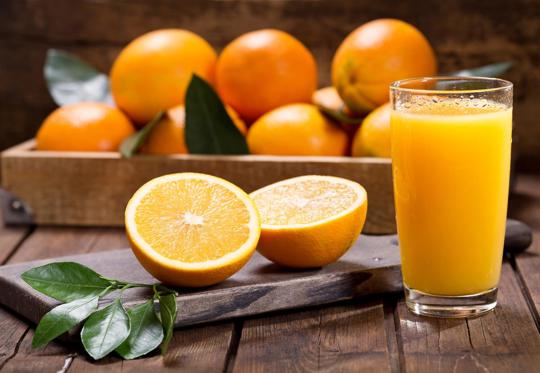
Tangelos and oranges may sound alike, but they have differences - orange vs tangerine comparison for clarity.
Tangelos and oranges have similarities, yet also distinct qualities.
The mix of sweet and tangy makes tangelos an exciting choice for citrus lovers seeking something special.
Origin and Hybridization
Tangelos and oranges are two citrus fruits known for their tangy sweetness.
But, their stories of origin and hybridization differ.
Tangelos were first created in Southeast Asia by combining tangerines and grapefruits.
This combination creates a fruit with an orange shape, but the sweet-tart flavor of a tangerine.
Meanwhile, oranges have a long history in ancient China.
Through centuries of cultivation and selective breeding, navel oranges and Valencia oranges have emerged.
These are usually larger than tangelos and have a more traditional citrus flavor.
Tangelos stand out because of their pebbled skin texture.
Oranges and tangelos both have juicy pulp, but tangelos are looser, making them easier to eat.
Plus, tangelos can sometimes have hints of bitterness due to inheriting traits from grapefruits.
Physical Appearance and Peel Texture
Tangelos and oranges look alike, but on closer inspection, they differ.
Tangelos have an orange hue, and their peel is smoother and thinner - pizza peel wood vs metal comparison for peel types. It's also easier to take off.
On the other hand, oranges have a bright color, and their peel is thicker and rougher.
These differences in appearance and texture contribute to the unique experience they provide.
Flavor and Taste Profile
Tangelos and oranges may be similar, but their taste and flavor are very different.
Tangelos give an amazing mix of sweet and tartness, plus a tangy flavor that sets them apart - extract vs flavor explanation on taste.
These citrus fruits have bursting bright flavors.
Tangelos have a noticeable tangy taste.
This creates a good contrast with the natural sweetness of both tangelos and oranges.
This balance between sweet and tangy makes tangelos unique.
Also, tangelos have a juicy nature which adds to their flavor.
Every bite and sip releases bursts of tangy sweetness.
This offers an enjoyable sensation. The juiciness of tangelos makes them a great choice.
To sum up, oranges are sweet while tangelos are tangy.
With their blend of tartness and sweetness, and their juiciness, tangelos leave a lasting impression.
Nutritional Content and Health Benefits
Tangelos and oranges are both nutrient-dense fruits.
Vitamin C is abundant in both, which helps support the immune system and collagen production.
Tangelos have more vitamin A, keeping eyes healthy.
Also, they have dietary fiber that supports digestion and satiety.
Oranges have flavonoid antioxidants that reduce the risk of chronic diseases.
Also, both are low in calories and contain no fat or cholesterol.
Plus, they both provide essential minerals like potassium, calcium, and magnesium.
These minerals are necessary for the body to function properly.
If interested in savory, umami notes found in some plant-based ingredients, check nutritional yeast taste guide for savory insights.
Similarities Between Tangelo and Orange
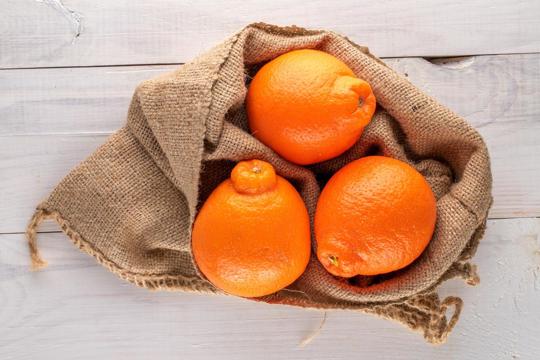
Tangelos and oranges are quite alike.
They both come from the citrus family, have a round shape, and come in colors from yellow to deep orange.
Plus, they are juicy and packed with vitamins and minerals.
And, they both have high levels of antioxidants to help fight free radicals and strengthen the immune system.
In size, tangelos and oranges are usually 2-3 inches in diameter.
They look very similar regardless of the variety or cultivar. But, there are differences between them.
Tangelos have a tangier flavor with a sweet/tart blend. Oranges are sweeter with less sourness.
Also, tangelos have looser peels than oranges. They can be peeled easily.
Plus, when the peel is separated, there is a zesty aroma.
That's a key difference between tangelos and oranges.
For a look at how orange-flavored dishes compare to other popular chicken styles, read sesame vs General Tso's vs orange chicken comparison.
Best Uses and Culinary Applications
Tangelos and oranges - similar in looks, different in taste.
Tangelos have a tangy sweetness - great for salads and desserts.
Oranges, however, have a bright, refreshing taste - perfect for juicing and baking.
Both fruits are versatile, suitable for sweet or savory dishes.
Consider the flavor you need to make your great dish.
Nutritional Differences: Tangelo vs Orange
Tangelos and oranges may look alike, but they have some key differences.
Both are citrus fruits with a bright orange color and tangy-sweet taste.
Tangelos, however, are a hybrid of tangerines and grapefruits.
Tangelos and oranges have similarities but also differences.
So, consider these differences when choosing between a tangelo and an orange.
Frequently Asked Questions
The main difference between a tangelo and an orange is the variety of fruit. They share some similarities but each has qualities that make it better suited for certain recipes.
They can stand in for each other in a pinch. Tangelo and Orange overlap in some uses, but the flavor or texture will shift.
Adjust quantities to taste.
Shelf life differs based on processing and packaging. One often keeps longer unopened, while the other may need refrigeration or faster use after opening.
Which one is more forgiving in recipes?
One tends to perform more consistently across a range of cooking methods, making it the safer choice when experimenting.
The other delivers stronger results in specific applications.
Dried and fresh citrus zest play different roles in recipes. dried orange zest vs fresh: differences explained explores those contrasts. tasty choices: 5 best substitutes for orange flower water offers alternatives when orange flower water isn't available.