
Trout roe and salmon roe sit at the big kids' table of fancy foods, right? Both have fans rooting for them.
T4We're here to dish the dirt on which roe reigns supreme. First things first, these tiny fish eggs pack a punch in flavor and nutrition.
Salmon roe is like the cool, older cousin with a bold taste and size that says, "I've arrived." On the flip side, trout roe brings a subtler charm to the party. It's all about that subtle pop and subtle flavor.
T4Our taste tests and kitchen experiments have led to some strong opinions and spilled roe, all in the name of science (and snacking).T5
In the ring of taste, texture, and versatility, which one will take the crown?
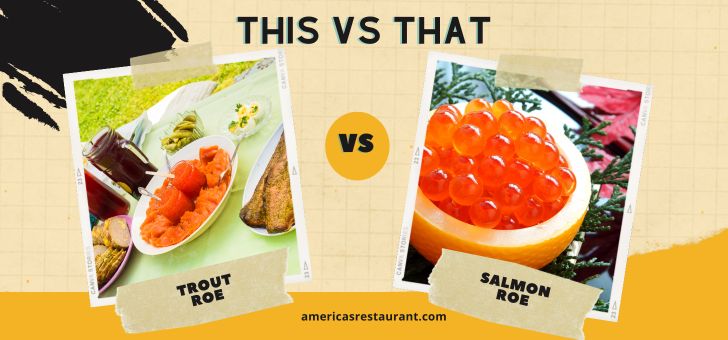
What is Trout Roe?

Trout Roe is a type of caviar that comes from the roe of the trout fish - learn more about flavor profiles in what trout fish tastes like guide.
The roe is harvested, lightly salted, and sometimes flavored with spices.
It has a delicate texture and mild taste that appeals to many palates.
Trout roe can be enjoyed on its own or used as a garnish to add flavor to dishes such as sushi, salads, or deviled eggs.
Its small size and popping sensation make it an enjoyable addition to any meal.
What is Salmon Roe?
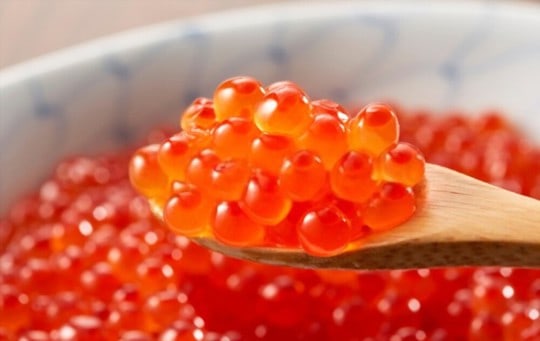
Salmon eggs or Ikura, as it is known in Japan, make up the delicious and salty Salmon Roe - see the Steelhead vs Atlantic Salmon comparison for context on different salmon types.
These orange-colored popping balls are harvested from the female salmon during their spawning season, making them a seasonal delicacy.
Known for its slightly fishy flavor and firm texture, salmon roe is popularly used in sushi dishes, garnishing canapés or enjoyed simply with toast.
Apart from its distinct taste and texture, salmon roe is packed full of essential nutrients such as omega-3 fatty acids, protein and vitamins.
The health benefits of consuming this seafood delicacy are numerous - lower risk of heart disease, aiding healthy fetal development during pregnancy and boosting brain function.
In terms of sustainability, wild-caught salmon roe may not be widely available due to overfishing concerns.
However, responsibly-farmed options do exist that provide environmental benefits while also safeguarding the species' survival.
Despite its slightly higher price tag than other types of caviar options like trout roe, customers prefer buying salmon because it packs a nutritious punch that's worth the extra cost.
Differences Between Trout Roe and Salmon Roe
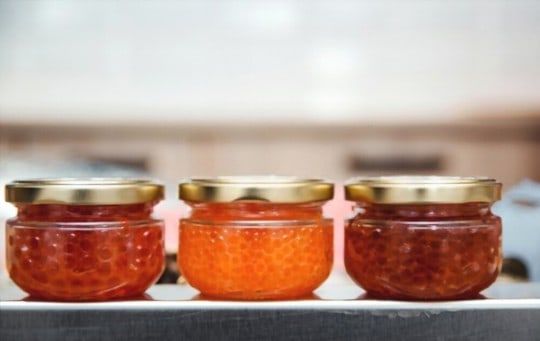
There are different varieties available in the market; however, trout and salmon roe are quite popular.
These two types differ in many aspects such as their flavor, texture, and color.
Trout roe is smaller in size than salmon roe and has a more delicate texture.
On the other hand, salmon roe is larger in size and has an almost crunchy texture.
The flavor of trout roe is milder than that of salmon roe, which can be quite briny or salty.
Also, trout tends to have a lighter color than salmon.
Trout roe usually has a pale orange or even yellowish appearance while Salmon caviar ranges from bright orange to red in color.
Both types of caviar are highly flexible ingredients and can be used in dishes ranging from sushi rolls - learn the practical distinctions in caviar vs roe explanation for cooks.
However, if you prefer the subtle taste with a softer texture go for trout caviar otherwise salmon caviar would be your best bet if you prefer strong flavors with satisfying textures.
Origin and Species
Trout and salmon are two popular fish species whose roe are used in various cuisines.
Both originated from different regions and have unique features that make them distinct.
Trout is a freshwater fish commonly found in North America, Europe, and Asia.
On the other hand, Salmon can be found in both saltwater and freshwater environments, mainly in the Atlantic and Pacific Oceans.
Each species has its own flavor and texture when it comes to their roe.
Size and Color
Trout roe and Salmon roe differ in their size and color.
Trout roe is generally smaller in size, ranging from 1 to 2 millimeters, while salmon roe can be as large as 6 to 7 millimeters.
Also, trout roe typically has a darker shade of orange-red, whereas salmon roe has a brighter hue.
In terms of texture and flavor, trout roe is softer with a nutty flavor, while salmon roe has a firmer texture with a stronger taste.
Also, the price of both types of caviar varies depending on quality and availability.
Overall, understanding the distinguishing characteristics between trout and salmon roe can assist seafood enthusiasts when selecting which type of caviar to use in various dishes.
Flavor and Taste
The excellent taste of roe is dependent on the type of fish it comes from.
Both trout and salmon roe offer distinct flavors and textures to their respective dishes.
Trout roe has a mildly sweet, nutty flavor with slightly larger beads that pop in your mouth.
Whereas, salmon roe offers a more briny, savory flavor with smaller eggs that are less crunchy but equally satisfying.
The subtle difference between the two types of fish eggs adds an extra touch to any dish they're added to.
When considering which type of roe is better for your dish, it's essential to understand how each variant affects your recipe's overall taste and texture - compare extract vs flavor differences explained to refine seasoning choices.
Trout roe's milder flavor pairs well with delicate ingredients like soft cheeses or thinly sliced meats.
Also, its larger grains add an elegant finishing touch to sushi or sashimi dishes.
On the other hand, salmon Roe's more strong flavor cuts effortlessly through richer ingredients like crème fraîche and cured meats.
Although smaller in size than trout roe, its bright orange hue packs a more potent punch in both taste and color.
While both trout and salmon Roe have similar textures, important differences lie in the individual egg's size and mouthfeel.
Although subjective, some people prefer the crunchier texture of larger trout Roe beads compared to the softer feeling of smaller salmon Roe eggs.
Texture and Pop
The juicy texture and popping sensation are essential factors to consider when comparing the superiority of Trout Roe and Salmon Roe.
- Trout Roe is more delicate in texture than Salmon Roe, with a softer mouthfeel and smoother signature.
- Salmon Roe has a slightly firmer texture and a more substantial pop that lingers after each bite, creating a satisfying indulgence.
- Both varieties have tasty tastes but differ in their unique textures that cater to individual preferences.
While both options offer similar flavors, salmon roe is usually saltier, while trout roe offers a milder taste.
It's essential to understand these differences when choosing which one will satisfy your palate's craving for tasty seafood.
The texture and popping factor not only impact taste but also add an enjoyable mouthfeel to every bite.
For insight on how material changes can affect popping performance in other foods, see the Whirley Pop stainless steel vs aluminum popper comparison.
Similarities Between Trout Roe and Salmon Roe
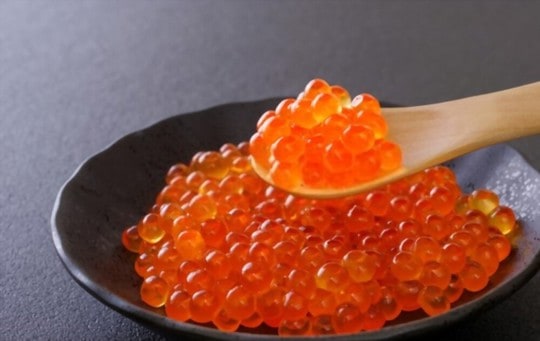
Trout roe and salmon roe share several similarities, including their source as fish eggs.
Both are highly nutritious and contain similar levels of protein and Omega-3 fatty acids.
They also have a similar taste profile, with a mild yet distinct flavor that complements various dishes.
Also, trout roe and salmon roe both require the same level of careful processing for optimal quality, texture, and flavor.
However, it's important to note some unique differences between the two types of roe.
Trout roe is typically smaller in size than salmon roe and has a softer texture.
Salmon roe is generally more strong in flavor compared to trout roe, featuring a briny taste that improves many sushi rolls and seafood dishes - see the Barramundi vs Salmon comparison for fish choices to understand flavor differences across species.
While both types are excellent sources of nutrients, there may be differences in nutritional content based on factors such as the fish's diet or harvesting location.
Ultimately, choosing between trout roe vs salmon roe comes down to personal preference based on individual tastes and meal planning needs.
Understanding the similarities and differences between the two can help make informed decisions when selecting which type of fish egg caviar to use for your specific culinary needs.
Culinary Uses and Pairings
Trout and Salmon roe have unique flavors that make them good pairing options in different dishes.
They can boost the taste of sushi, for example, but take note that their flavors differ.
- Trout roe has a milder taste that makes it pair better with lighter ingredients like vegetable salads or soft cheeses.
- On the other hand, salmon roe's bolder flavor works well with rich ingredients such as pate or raw oysters.
Both types of roe provide colorful garnish to dishes and bring texture to creamy sauces.
Nutritional Value of Trout Roe and Salmon Roe
Trout roe and salmon roe are both popular types of fish eggs consumed worldwide.
These two delicacies have distinct nutritional values that differentiate them.
High in protein, omega-3 fatty acids and vitamins, trout roe outweighs salmon roe in terms of vitamin D and calcium content.
On the other hand, salmon roe contains more selenium when compared to trout roe.
Also, each type possesses a unique flavor that caters to different palate.
Whether you prefer the delicate sweetness of trout roe or the bold brininess of salmon roe, these tiny jewels pack a healthy punch that can enhance any dish they garnish.
For considerations about storage and quality that affect nutrient retention, consult the Frozen Salmon vs Fresh comparison on quality.
Sustainability and Environmental Considerations
The impact of trout and salmon roe production on the environment must be considered before choosing one over the other.
The ecological footprint of each varies based on factors such as farming practices, wild versus farmed sources, and habitat destruction.
Sustainable options for both types of roe should be prioritized to minimize environmental harm.
Trout roe is often produced through sustainable aquaculture methods, while salmon roe can come from both wild caught and farmed sources with varying degrees of sustainability.
Habitat destruction due to unsustainable practices for either species negatively impacts marine systems.
Consumers should choose roe that has met sustainability standards set by agencies such as Marine Stewardship Council or GlobalGAP.
In addition, overfishing and habitat degradation can cause a drop in population sizes, leading to forced adaptation in already vulnerable species.
Sustainable practices promote healthier fish populations and reduced environmental damage.
By choosing responsibly sourced caviar and spreading awareness regarding the importance of environmentally friendly choices, consumers can contribute positively towards protecting our oceans' systems.
Flavor and Texture Differences: Trout Roe vs Salmon Roe
Comparing trout roe and salmon roe, both have their unique qualities, making them popular among foodies.
Based on personal preference, one can choose the better option.
However, it's advisable to consider certain factors like taste, texture, nutrition profile and the availability of the roes before making a decision.
It's also important to note that while trout roe may be relatively easier to find in grocery stores or online retailers, salmon roe is usually more expensive and sought after by seafood lovers worldwide.
Ultimately, one should make an informed choice based on individual preferences and experience the taste of both varieties firsthand.
It comes down to individual taste preference as well as accessibility and pricing in your area.
Dive into Flavor: Steelhead trout taste guide explores texture and notes. Salmon roe taste exploration breaks down brine, sweetness, and serving ideas.
Frequently Asked Questions
Apart from its distinct taste and texture, salmon roe is packed full of essential nutrients such as omega-3 fatty acids, protein and vitamins. They share some similarities but each has qualities that make it better suited for certain recipes.
It depends on the dish. Trout Roe and Salmon Roe share some overlap, but each shines in different preparations.
Swapping works best in forgiving recipes like soups or stews.
Pricing varies by brand and region, but one is typically more accessible at everyday price points. The other may cost more due to specialization or limited supply.
Is there a best time to use each one?
One shines in applications requiring subtlety and background support.
The other is better when it is meant to be a center.
Matching the right one to its role makes a noticeable difference.