
Summary of key points
The main difference between a tube pan and a Bundt pan is in their shape. A tube pan has straight sides with a hollow center, while a Bundt pan has fluted or ridged sides with a hollow center.
This results in different appearances for baked goods that are made in each type of pan.
Aside from appearance, there may also be differences in the way the batter or dough is distributed in each pan, potentially affecting the texture of the final product. For example, a Bundt pan may result in a more evenly baked cake due to its ridged design.
Ever stood in the kitchen, tube pan in one hand and Bundt pan in the other, totally stumped? It's the showdown of the century, folks.
Tube pan versus Bundt pan.
The difference? It's not just about the hole in the middle.
Tube pans are plain Janes, ideal for angel food cakes that need to cling as they rise.
T4Bundt pans, with their fancy fluted sides, turn out the knockout cakes at parties.
We tried both for Grandma's secret pound cake recipe. Spoiler alert: the cake tasted great each time, but those Bundt curves are showstoppers.
The verdict? It depends on your vibe. Want simplicity and sky-high cakes?
Tube's your bud. Craving drama and design?
Go Bundt.
Choosing feels like picking a favorite child. Good luck.
What is a Tube Pan?
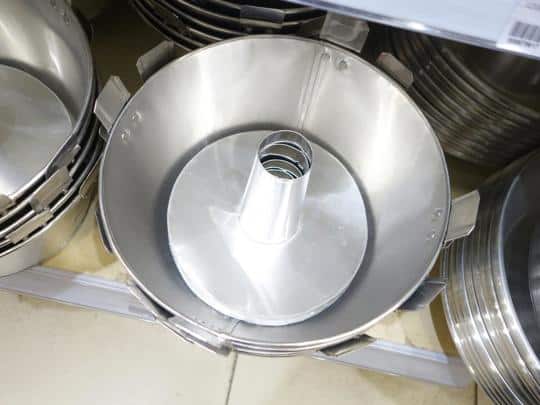
A tube pan is a type of baking pan with a hollow core in the center.
This helps even out heat, providing uniform baking.
It's usually used for making cakes and other baked goods that need even browning and fluffy textures.
The tube pan has a cylindrical shape with a hole in the middle.
This gives two heat sources - from outside and the center - so cakes get cooked through.
Plus, the hole lets moisture escape, so the cake doesn't become dense or soggy.
Many tube pans have removable bottoms or sides, which makes it easy to take the cake out without damaging it.
This also produces smooth edges on the cake, making it look professional.
Tube pans can also be decorative.
Their shape works well for designs and embellishments.
A tube pan gives an elegant look to a cake, making it visually appealing.
When choosing between a tube pan and a bundt pan, consider the recipe.
For tall cakes with even browning and light textures, a tube pan is best.
But for detailed bundt cakes, go with a bundt pan.
Both pans have their pros and cons depending on the taste and presentation you want.
Citrus flavors often pair well with cakes baked in tube pans; lemon dessert pairings list for sweet complements outlines nine options.
What is a Bundt Pan?
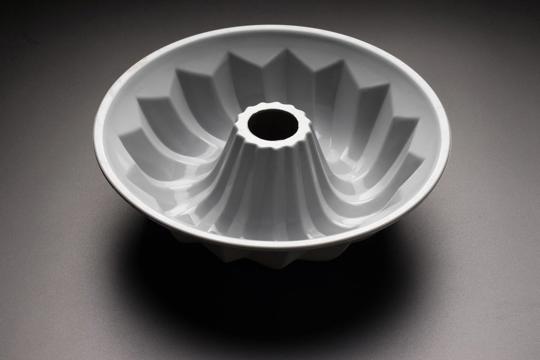
A bundt pan is an awesome baking tool that's become popular lately.
It has a round shape with a hollow middle and detailed patterns on the outside.
These designs give cakes a pretty look and ensure even heat when baking.
The center tube of the bundt pan helps the middle bake as well as the edges.
And the patterns create beautiful imprints on the cake, making it an art piece.
There are different sizes and materials for bundt pans, such as aluminum, non-stick coating, or silicone.
Each has its own advantages, like durability, easy release, and heat conduction.
The size and material depend on the recipe you're making.
Plus, bundt pans can be used for more than just bundt cakes - bundt pan substitutes list for flexible baking.
You can make pound cakes, gelatin molds, and even savory dishes like meatloaf or bread pudding.
This kitchen tool offers endless possibilities.
Differences Between Tube Pan and Bundt Pan
Baking success depends on choosing the right pan - roasting vs broiler comparison for pan selection.
Tube and Bundt are both popular picks, each with unique features.
From shape to versatility to functionality, they differ in key ways.
Tube pans have straight, vertical sides and a hollow center tube.
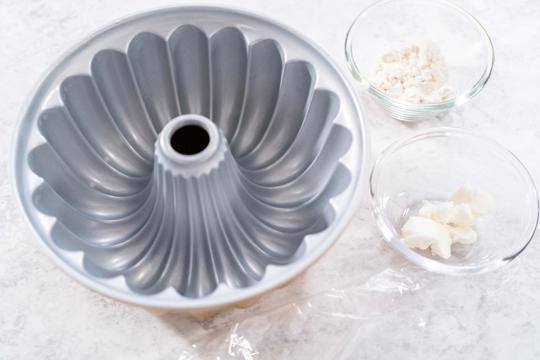
Bundt pans have fluted edges and a tube that runs through the entire pan.
This impacts how the cake looks and bakes.
Tube pans are often used for angel food or chiffon cakes.
Bundt pans accommodate a range of recipes, from dense pound cakes to light sponges.
The fluted edges create patterns on the cake, adding an elegant touch.
Functionality-wise, tube pans come with a removable bottom for easy unmolding of delicate cakes.
Plus, the center tube allows for better heat distribution.
Bundt pans may be trickier to remove due to non-stick coatings or detailed designs.
It's important to consider your baking needs and preferences.
Tube pans work well for angel or chiffon cakes with easy unmolding.
Bundt pans are great for experimentation with decorative cakes.
Design and Shape
Design and shape are essential when selecting the proper baking pan.
Tube and Bundt pans each have distinct characteristics that must be carefully considered.
Tube pans are tall, cylindrical and feature a hollow center tube.
This design permits even heat distribution while baking, resulting in a light and fluffy cake.
The tube's center helps the batter expand evenly and steam to escape, avoiding collapse.
Bundt pans are known for their decorative shapes and detailed designs.
From elegant swirls to detailed patterns, they can make any dessert stand out.
They have hollow centers too but instead of tubes, feature elaborate flutes and grooves that bring artistry to your baked goods.
The two pans show different capabilities.
Tube pans are best for light sponge cakes and angel food cakes needing maximum volume.
Bundt pans excel when creating striking desserts for special occasions or gatherings.
Functionality and Uses
Tube and Bundt pans offer different functions and uses.
Tube pans are great for even heat distribution, perfect for angel food and chiffon cakes.
Bundt pans have a distinct shape that makes cakes look special for special occasions or decorative cakes.
Each pan has unique features.
Think about what you want before deciding which one to use.
Size and Capacity
Size and capacity are key when picking a tube pan or a bundt pan.
These pans come in different sizes, perfect for your baking needs.
The size of the pan determines the amount of batter it can hold.
This is important for even baking.
Think about how many servings you want when selecting size and capacity.
If it's for a large gathering, bigger tube or bundt pans are best.
They can hold more batter and make bigger cakes to feed a crowd.
For smaller occasions or individual servings, go for a smaller pan.
This guarantees portion control and everyone gets a taste without too many leftovers.
Think about the height and depth of the pan too.
A taller tube or bundt pan creates a higher cake with multiple layers.
For a shorter cake with a more compact appearance, use a shallower pan.
Recipes may specify the exact-sized tube or bundt pan needed.
Always check the recipe to make sure you use the correct sizing.
When planning servings, consider bite-sized options; 18 vegan tapas recipes for bold, bite-size flavor offers ideas that match smaller pans and portion needs.
Materials Used
Baking success depends on the materials used.
Tube pans and bundt pans are usually made of strong metals like aluminum or cast iron.
This ensures durability and even heat distribution.
Metal also helps to get a golden crust.
Tube pans may have non-stick coating like Teflon, for easy cake release.
Bundt pans often have detailed designs, achieved with silicone or ceramic.
Which pan to choose? Depends on needs and preferences.
For versatile cakes, go with a tube pan.
It releases cakes easily, without losing shape.
For visually striking cakes, go with a bundt pan.
Its unique shape adds visual appeal.
Perfect for special occasions or to impress guests.
Similarities Between Tube Pan and Bundt Pan
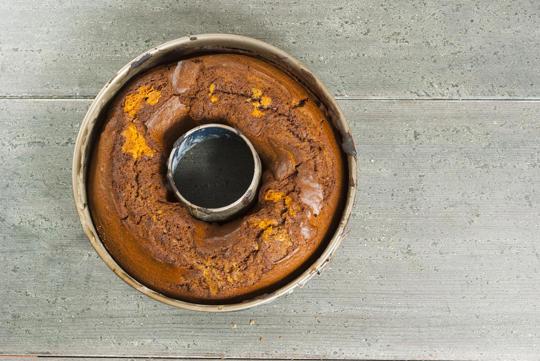
Tube pans and Bundt pans are both popular choices for baking.
They share many similarities.
One is their shape - round with a hole in the center.
This helps with even heat distribution and thorough baking - parchment vs greased pan comparison for release methods.
Plus, metal is usually the material of choice.
It conducts heat efficiently and produces a golden crust.
Non-stick surfaces make cake removal a breeze.
Whatever pan you choose, you can expect great texture and presentation.
When to Use a Tube Pan and When to Use a Bundt Pan
There are certain factors to consider.
Tube pans are great for light cakes that need uniform baking, such as angel food cake - stainless vs carbon steel pan comparison for material choice.
The center tube helps the heat spread throughout the batter.
On the other hand, Bundt pans are great for dense cakes with detailed designs.
They add an aesthetic touch to the cake and create a beautiful centerpiece.
Tube pans and Bundt pans have diverse functionalities too.
Tube pans have removable bottoms, so delicate cakes can be released without breaking them.
This is especially helpful when baking chiffon or sponge cakes.
Bundt pans have a non-stick coating, which makes it easier to remove the finished cake.
Bundt pans also come in a variety of designs.
There are swirls, flowers, and detailed patterns to choose from.
The shape of these pans makes it easier to make visually appealing desserts.
However, both pans usually have similar volumes, but cakes made in them can have different sizes.
So, recipes may need slight adjustments when switching between these two types of baking pans.
Tips for Baking with Tube and Bundt Pans
To bake amazing cakes with perfect shapes, textures, and flavors using tube and bundt pans, here are some tips:
- Use a non-stick pan. This guarantees easy release and keeps the designs intact.
- Grease and flour the pan. Butter or cooking spray and flour will ensure a clean release.
- Distribute the batter evenly. Smooth out any bubbles or lumps for an even texture.
Also, preheat the oven to the specified temperature in the recipe.
And let the cake cool in the pan for 10 minutes before transferring it onto a wire rack.
These tips will help you confidently bake and create beautiful cakes that are delicious and pleasing to the eyes.
Enjoy your baking.
Grease and flour the pan - baking cups vs cupcake liners comparison for release options.
Best Uses for Tube Pan and Bundt Pan
Deciding between a tube pan and a bundt pan can be quite perplexing but is ultimately dependent upon your personal preference.
The two types of pans have numerous differences which will factor into what cake you should bake that fits your individual needs.
Some individuals might prefer something that stands out with detailed details such as the bundt pan.
Others may choose to have more of an even texture and shape for their cake presentation like their would find with the typical tube pan.
When figuring out which one to choose all of these aspects must be weighed before finally deciding on the right one for you.
No matter which type of cake you bake, the result will vividly depend on factors such as oven temperature, ingredients, and form of batter used in conjuncture with either the tube or bundtpan.
It's worth taking your time to explore both options to make sure that whichever pan you decide produces the desired outcome.
Braising and oven braising have different strengths; braising pan vs Dutch oven comparison for one-pot cooking explains when each shines. For loaf-style breads and sandwich-ready slices, Pullman pan vs loaf pan comparison for uniform sandwich loaves outlines which pan delivers the desired shape and crumb.
Frequently Asked Questions
The main difference between a tube pan and a Bundt pan is in their shape. They share some similarities but each has qualities that make it better suited for certain recipes.
Consider what result you are after. Tube Pan and Bundt Pan each have strengths that suit different situations.
Neither is universally better - context decides.
Pricing varies by brand and region, but one is typically more accessible at everyday price points. The other may cost more due to specialization or limited supply.
Is there a best time to use each one?
One shines in applications requiring subtlety and background support.
The other is better when it is meant to be a center.
Matching the right one to its role makes a noticeable difference.