
Ever stood in the kitchen, braising pan in one hand, Dutch oven in the other, and wondered, "What on earth is the difference?" We've been there.
It's like trying to pick your favorite snack. Tough, right?
Both have their champions in the kitchen. Braising pans, with their wide base, excel at-you guessed it-braising.
Meats love them.
Then there's the Dutch oven. A heavyweight that laughs in the face of slow cooks and soups.
It's a kitchen MVP.
Our shared moments of culinary confusion brought us here. To unravel this mystery together.
Because, hey, who hasn't been baffled by their cookware at least once?
What is a Braising Pan?
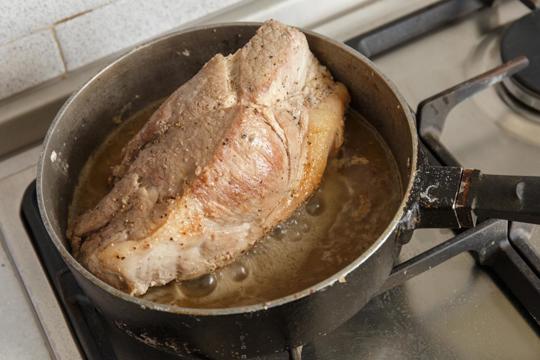
A braising pan is a powerful cooking tool.
It has the features of a frying pan and a saucepan.
Usually made of stainless steel or cast iron, it ensures even heat distribution and retention.
The high sides allow for easy stirring and tossing.
And the lid helps keep moisture and flavor inside.
Braising pans are perfect for slow-cooking.
This lets tough cuts of meat become tender, while giving dishes a rich flavor.
They're also great for searing meats and simmering stews and soups - learn when to braise versus stew in braising vs stewing: key differences.
One unique feature is the wide cooking surface.
This provides space for browning large amounts of food simultaneously.
It's great for cooking large meals or browning multiple pieces of meat.
A braising pan is a must-have kitchen essential.
It's perfect for slow-cooking, searing, and simmering.
With its high sides, lids, and wide cooking surface, it's sure to make tasty, tender dishes every time.
What is a Dutch Oven?
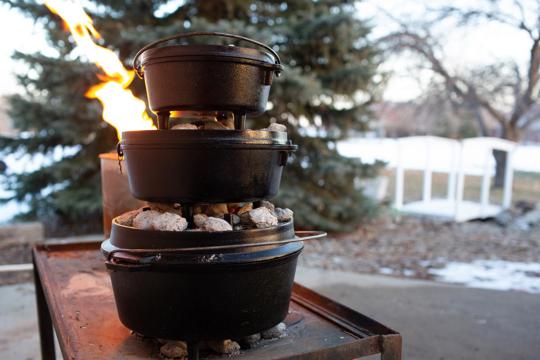
The Dutch Oven is a cooking vessel from the Netherlands.
It is usually made of cast iron which holds heat well and distributes it evenly.
This pot is known for its high-temperature tolerance, making it great for baking, stewing, roasting, and braising - see how a Dutch oven compares in Dutch vs French apple pie: baking differences.
The Dutch Oven has a tight-fitting lid.
It helps trap moisture and flavors, giving dishes a moist and tender taste.
The lid also has a handle, so it can be moved even when hot.
The flat bottom of the Dutch Oven is great for browning before braising or simmering.
This brings out flavor and makes dishes more delicious.
The thick walls of the Dutch Oven make it perfect for slow cooking techniques.
Heat is retained and food cooks without burning.
It can be used on stovetops, ovens, or campfires.
Differences Between a Braising Pan and a Dutch Oven
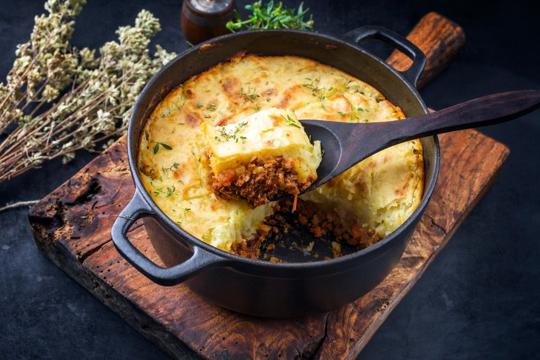
A braising pan and Dutch oven may look similar, but they're different - compare similar cookware roles in roasting pan vs broiler pan: which to use.
Both are must-haves in the kitchen, each with its own advantages and versatility.
Knowing the contrast between these two cooking vessels can boost your culinary skills.
Design and Shape
Design and shape are key when it comes to telling apart a braising pan and a Dutch oven.
They come in different dimensions and features, suitable for different tasks.
A braising pan has shallow depth and a wide surface area.
This helps to spread heat evenly so food cooks evenly.
The low sides are great for searing meat before slow-cooking.
Plus, they're easy to stir and baste, giving your dish more flavor.
A Dutch oven is deep and compact.
Its tall sides hold heat well, making it perfect for dishes that need long simmering.
The tight-fitting lid traps moisture, resulting in tender meats and flavorful stews.
Shape-wise, the braising pan has straight sides that slope outward.
The Dutch oven has vertical sides, great for large amounts of ingredients.
This is great for soups, roasts, and casseroles.
In short, knowing the design and shape differences between a braising pan and a Dutch oven is essential.
Depending on your recipe, one or the other will be more useful.
So, when planning your meals, consider which vessel will be best.
Material Used
Braising pans and Dutch ovens are two cooking vessels popular in the kitchen.
The difference between them? Material.
Both are usually crafted from long-lasting materials such as cast iron or stainless steel.
Cast iron is ideal for braising pans and Dutch ovens.
It keeps heat evenly and for a long time, making it great for slow cooking.
Plus, it's durable and won't easily break.
Stainless steel is another common choice.
It's light and doesn't corrode or stain.
Home cooks who want a modern look, but good performance, often opt for it.
Maintenance is different for each material.
Cast iron needs specific care to avoid rust, and regular seasoning for non-stick.
Stainless steel is simpler to clean and maintain.
It all depends on your cooking style and needs.
Whichever you choose, a braising pan or a Dutch oven, you'll have an excellent cooking experience.
Heat Distribution and Retention
When selecting between a braising pan and Dutch oven, heat distribution and retention capabilities are essential.
These cookware have different designs that influence how heat is spread and kept during cooking.
Good heat circulation ensures food cooks consistently, and good heat retention keeps dishes warm for serving.
Braising pans, also known as sauté pans, generally are crafted from stainless steel or cast iron.
Their wide, flat bottom allows for maximum contact with the stove's heat source, creating even heat distribution.
Plus, the materials used in braising pans lead to their great heat conductivity.
On the other hand, Dutch ovens have a different design that impacts heat distribution and retention.
They are deep pots with high sides and airtight lids, usually made from cast iron or ceramic.
The thick walls absorb and give off heat well, making an environment where food slowly and evenly cooks over long periods.
These two cookware have unique details regarding heat distribution and retention.
Both can be used on stovetops and in ovens, making them adaptable for various cooking techniques.
Braising pans are great for searing meats or quickly browning, while Dutch ovens are ideal for slow-cooking soups, stews, or pot roasts.
The right pan or pot can make all the difference in prepping delicious meals.
Cooking Methods and Versatility
A braising pan and a Dutch oven have different cooking techniques and uses.
The braising pan is great for searing meats and slow-cooking, while a Dutch oven excels at simmering stews and baking.
In terms of cooking, the wide surface of a braising pan provides even heat distribution.
This is perfect for dishes that require caramelization, like short ribs or crispy chicken.
On the flipside, a Dutch oven's tall sides and tight-fitting lid create a moist heat environment, ideal for soups and stews.
These kitchen tools offer versatility.
A braising pan can be used as a sauté or frying pan.
A Dutch oven is great for baking.
They also differ in shape and material.
A braising pan has straight sides with a wider bottom surface, while a Dutch oven has round or oval sides with loop handles.
Braising pans are usually stainless steel or copper for good heat conductivity, while Dutch ovens are cast iron for superior heat retention.
When braising or simmering, the choice of liquid matters - white cooking wine vs white wine vinegar: flavor and use guide explains how each affects sauces and braising liquids.
Similarities Between a Braising Pan and a Dutch Oven
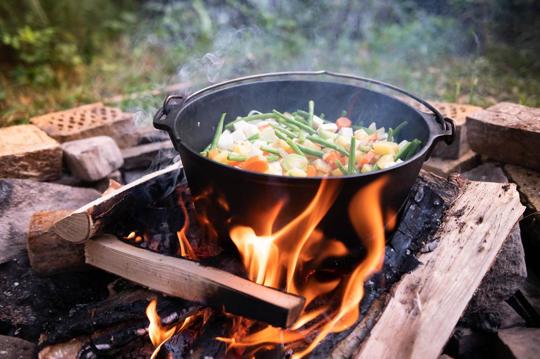
Braising pans and Dutch ovens share similarities.
They are great for slow-cooking techniques, like braising, simmering, and stewing.
Both come with tight-fitting lids that trap moisture and flavor.
So, they are essential for creating delicious meals.
The construction materials are usually heavy-duty, like cast iron or stainless steel.
This allows even heat distribution.
Plus, they often have non-stick coating or enamel to help with releasing food.
Their wide bottom and high sides provide enough space for ingredients to cook together.
Also, the large capacity is great for big batches of food.
You can use them on various stovetops or in the oven.
This gives you the freedom to pick the cooking method you want.
Finally, they come in different colors, adding style to your kitchenware.
Whether you want a classic black or bold hues, there is a pot for everyone.
For oven finishing or baking in either vessel, choose the right surface treatment - parchment paper vs greased pan: when to line cookware helps decide which option prevents sticking best.
Benefits and Uses of a Braising Pan
Cooking? You need the right tools.
A braising pan is often overlooked.
But what is it? It's different from a Dutch oven.
A braising pan, or brazier, has lots of benefits.
It's perfect for braising, a cooking method that involves high heat and slow simmering.
This helps tenderize tough meat and enhance its flavor.
Unlike a Dutch oven, a braising pan has lower sides and a wide surface area.
This promotes even cooking and allows for more direct exposure to heat.
It's also easy to sear large amounts of food at once.
A great feature of a braising pan is its ability to move from stovetop to oven.
It's made with materials that can handle high temperatures - read about stainless steel vs carbon steel pans: material strengths to pick the best build.
So you don't need to switch cookware.
It's also easy to stir and flip food with the long handle.
Plus, it's multifunctional - great for sautéing, frying, simmering, and even serving on a dining table.
A braising pan is an essential kitchen tool.
Benefits and Uses of a Dutch Oven
A Dutch oven is a great tool for the kitchen.
It distributes heat evenly, so meals cook perfectly.
It's made of strong materials like cast iron or ceramic, which helps keep heat and moisture in.
This cookware can handle large amounts of food, so you can make batches or feed a whole family.
Plus, you can use it outdoors on a grill or fire.
And it looks nice, too, with various colors and finishes.
So you can serve your meals in style, directly from the pot.
For dishes that could work in either a Dutch oven or a large pot, Dutch oven vs pot: when to choose each explains which vessel is better for different recipes and heat sources.
When to Use a Braising Pan vs Dutch Oven
A braising pan and Dutch oven differ in design and function.
Both are versatile cooking vessels, but have distinct features.
Braising pans are wider and shallower, which makes searing and browning easier.
Dutch ovens, however, have higher sides and a tight-fitting lid that locks in heat and moisture.
Braising pans often have bonded or layered bottoms for even heat distribution.
Dutch ovens are made of materials like cast iron or enameled cast iron, which retain heat.
Plus, Dutch ovens can be used in the oven as well.
Braising pans, however, are designed for stovetop use due to their wide shape.
Pullman loaf shapes affect slicing and crumb density - Pullman pan vs loaf pan: baking differences explains which pans create which loaf types. Bundt and tube pans change presentation and texture - tube pan vs bundt pan: which to choose covers when each is appropriate.
Frequently Asked Questions
Ever stood in the kitchen, braising pan in one hand, Dutch oven in the other, and wondered, "What on earth is the difference?" We've been there. They share some similarities but each has qualities that make it better suited for certain recipes.
Braising Pan tends to produce more consistent results with basic kitchen equipment. Dutch Oven may need specialized tools but can deliver standout results when done right.
Nutritional differences exist but are often minor in typical serving sizes. Neither is universally healthier - it depends on what specific nutrients or dietary goals you are focused on.
Once opened, one keeps better in the refrigerator with proper sealing. The other may oxidize or separate more quickly, so using it promptly or in smaller quantities works better.