
Good replacements for Sorghum Flour include Buckwheat Flour, Amaranth Flour, Almond Flour, Oat Flour, and Corn Starch.
Buckwheat Flour is the closest match - it has a similar flavor and works at a 1:1 ratio in most recipes.
For cooking, Amaranth Flour also works well - adjust the amount to taste since it may be slightly stronger or milder.
Gluten-free baking is an art and a science, all rolled into one.
Finding the right flour substitute for sorghum can feel like a treasure hunt.
That's because not all flours are created equal. You've probably noticed how some recipes flop with the wrong swap.
We've been there, scooping out a disappointing batch from the oven.
We've got the inside scoop on the five best substitutes.
These alternatives keep your baked goods delicious and on track, without compromising on texture or taste. Each option we're about to share has its own superpower in the kitchen.
5 Gluten-Free Flour Alternatives to Sorghum
Sorghum flour is a gluten-free flour commonly used in baking and cooking.
However, if you're looking for substitutes due to dietary preferences or ingredient availability, there are several options to consider - including sweet rice flour swap options for sticky, glutinous-style recipes.
| Substitute | Key Characteristics | Proper Ratio |
|---|---|---|
| Buckwheat Flour | Earthy and nutty flavor; high in fiber and protein | Use an equal amount of buckwheat flour as a substitute for sorghum flour |
| Amaranth Flour | Mild and slightly sweet taste; high in protein and nutrients | Use an equal amount of amaranth flour as a substitute for sorghum flour |
| Almond Flour | Nutty flavor; high in healthy fats and low in carbohydrates | Use an equal amount of almond flour as a substitute for sorghum flour |
| Oat Flour | Mild and slightly sweet taste; high in fiber and nutrients | Use an equal amount of oat flour as a substitute for sorghum flour |
| Corn Starch | Neutral taste; is a thickening agent in recipes | Use half the amount of corn starch compared to sorghum flour |
Here is a closer look at each option:
1. Buckwheat Flour
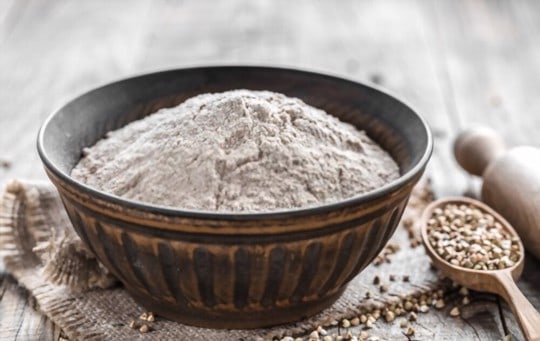
Most people are familiar with wheat flour, but buckwheat flour is less well known.
Buckwheat is not related to wheat and is a fruit despite its name.
Buckwheat flour is made from the seeds of the buckwheat plant and has a nutty flavor.
It's a great source of fiber and protein, and it's also gluten-free.
Buckwheat flour can be used in many different ways - and for denser loaves compare rye flour substitute ideas for baking to see similar texture outcomes.
It's often used in pancakes, crepes, and waffles.
It can also be used in bread, cookies, and cakes.
If you're looking for a new flour to experiment with in your baking, give buckwheat flour a try.
- Key Characteristics: Buckwheat flour offers an earthy and nutty flavor. It is high in fiber and protein, providing a nutritious alternative to sorghum flour.
- Proper Ratio: Use an equal amount of buckwheat flour as a substitute for sorghum flour. Adjust other ingredients based on the desired texture and taste.
2. Amaranth Flour
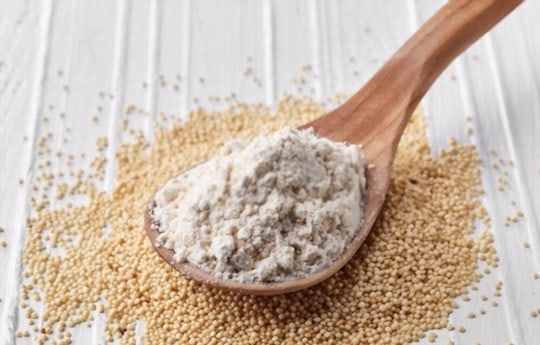
If you're looking for a gluten-free flour alternative, amaranth flour is a great option.
Amaranth flour is high in protein and fiber, and it has a nutty flavor that makes it a good choice for baked goods.
Amaranth flour can be used in place of all-purpose flour in most recipes, although you may need to experiment with the proportions to get the desired results - or consult amaranth substitutes and tips for proportion guidance.
Also, amaranth flour tends to absorb more liquid than other gluten-free flour, so you may need to add more liquid to your batter or dough.
With a little experimentation, you'll be able to produce delicious treats that are sure to please everyone, regardless of their dietary restrictions.
- Key Characteristics: Amaranth flour has a mild and slightly sweet taste. It is high in protein and nutrients, making it a nutritious substitute for sorghum flour.
- Proper Ratio: Use an equal amount of amaranth flour as a substitute for sorghum flour. Adjust other ingredients to maintain the desired texture and flavor.
3. Almond Flour
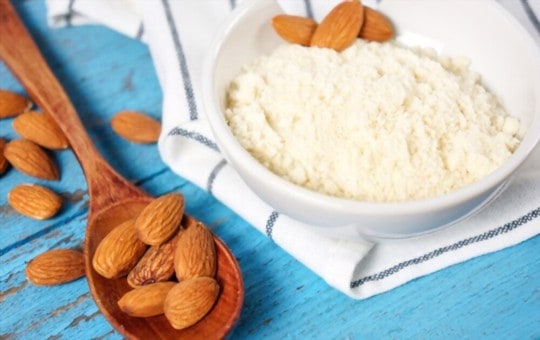
Almond flour is a type of flour made from finely ground almonds - for non-culinary almond swaps, consider sweet almond oil swap ideas for skincare and topical uses.
It is most commonly used in baked goods, such as cakes, cookies, and muffins.
However, it can also be used in savory dishes, such as pancakes and breaded chicken.
Almond flour is a good alternative to sorghum flour for gluten-free people with wheat allergies.
It is also higher in protein and fiber than wheat flour.
Also, almond flour contains more healthy fats than wheat flour.
These healthy fats can help improve cholesterol levels and decrease the risk of heart disease.
Ultimately, almond flour is a nutritious and flexible ingredient that can be used in many different recipes.
- Key Characteristics: Almond flour offers a nutty flavor and a moist texture. It is high in healthy fats and low in carbohydrates, providing a gluten-free alternative to sorghum flour.
- Proper Ratio: Use an equal amount of almond flour as a substitute for sorghum flour. Consider the additional moisture content and adjust other ingredients accordingly.
4. Oat Flour
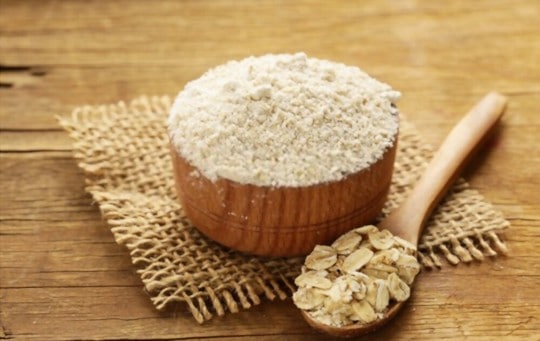
Did you know that you can make flour from oats? Oat flour is a type of flour made from grinding oats into a fine powder.
It can be used in various recipes, including bread, pancakes, muffins, and cookies.
Oat flour is a good source of fiber and protein, and it is also relatively low in calories.
Also, oat flour contains no gluten, making it a good option for people with celiac disease or gluten intolerance - for bran-specific swaps, see oat bran substitute suggestions that preserve fiber content.
If you are looking for a healthy and delicious way to add more oats to your diet, try using oat flour in your next baking project.
- Key Characteristics: Oat flour has a mild and slightly sweet taste. It is high in fiber and nutrients, making it a beneficial substitute for sorghum flour.
- Proper Ratio: Use an equal amount of oat flour as a substitute for sorghum flour. Adjust other ingredients based on the desired texture and taste.
5. Corn Starch
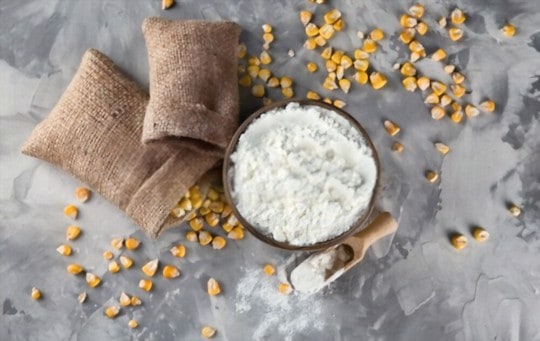
Corn starch is a powder made from the starchy kernels of corn.
It's often a thickener for sauces, gravies, and pies.
When combined with water, cornstarch forms a gel-like substance that can be used to make bouncy balls, slime, and other toys.
Corn starch is also an ingredient in many commercial products, such as laundry detergent and cosmetics.
In addition to its practical uses, corn starch can also be used for crafts and art projects.
For example, it can make biodegradable plastic or be used as a natural dye.
With so many uses, it's no wonder that corn starch is a staple in many kitchens and households.
Gram flour alternatives can serve similar roles in gluten-free mixes. 5 best substitutes for gram flour lists workable options. For grain-forward gluten-free baking, Gluten-Free Baking: 5 Best Substitutes for Barley Flour outlines barley replacements that keep structure and flavor.
- Key Characteristics: Corn starch has a neutral taste and is a thickening agent in recipes. While it doesn't provide the same nutritional benefits as sorghum flour, it can be used as a binder or thickener.
- Proper Ratio: Use half the amount of corn starch compared to sorghum flour in recipes that require thickening. Adjust other ingredients to achieve the desired consistency.
Frequently Asked Questions
Buckwheat Flour is the best substitute for Sorghum Flour because it shares a similar flavor and texture. Use it at a 1:1 ratio in any recipe that calls for Sorghum Flour.
In most cases, yes. Try Buckwheat Flour first since the flavor is closest.
Amaranth Flour handles heat and texture differently, so test in small batches.
It can, especially with ingredients that have distinct colors or pigments. The difference is usually minor in mixed dishes but may be more visible in lighter sauces or batters.
How do you adjust seasoning when using a substitute?
Taste as you go.
Substitutes can be saltier, milder, or sweeter than the original.
Add seasoning gradually and adjust at the end rather than matching the original recipe amounts exactly.