
Almonds are a staple in snack drawers and kitchens everywhere.
These nuts bring a unique flavor that's hard to pin down, yet undeniably moreish.
Almonds taste slightly sweet, with a creamy texture that shines both in raw form and when transformed into milk or butter.
Beyond their taste, they're a powerhouse of nutrition, packed with healthy fats, proteins, and fibers.
Diving into a bag of almonds, you're not just snacking; you're fueling your body with nature's goodies.
What are Almonds?

According to Wiki, the almond refers to a tree species indigenous to Iran and its surrounding countries.
The edible seed of this tree is also known by the same name.
Almonds, commonly considered nuts, are not nuts per se.
You may call it a tree nut. But more specifically, they're seeds of the almond fruit.
Hence, they're better classified as drupes.
Botanically, you may compare almonds to a peach.
When the almond fruit ripens, people remove its outer cover and shell and eat the small kernel (seed) that's inside.
There are more than 30 varieties of almonds, many of which are grown in California.
In fact, about 80% of the world's almond supply comes from California.
If we get into naming all varieties, it may take the entire day.
However, some of the most popular types of almonds include Nonpareil, Neplus, Carmel, Butte, and Marcona.
Almonds pair well with bright flavors in sweets; see suggestions in what goes with lemon in desserts - best pairings for complementary dessert ideas.
What Do Almonds Taste Like?

We've reached the most awaited part of our blog posts; what do almonds taste like? Almonds have a distinguishable flavor.
However, as said, different types of almonds vary in taste and appearance.
For instance, Carmel almonds have a sweet and nutty flavor; Butte almonds taste mostly nutty, while Marcona almonds have a richer taste.
All in all, almonds are marked by their nutty taste, which is often accompanied by a sweet, woody, or earthy flavor - see an acai berry taste guide for a contrasting berry profile.
- Taste of Raw vs. Roasted Almonds.
Moving forward, the taste of your almonds will also depend on whether it's cooked or raw.
Most people prefer roasted almonds over raw for their smoky and salty flavor.
This special flavor comes from the oil that is usually released during the roasting process.
On the other hand, raw almonds have a milder taste as compared to their roasted counterparts.
However, they taste equally good. And it ultimately boils down to your preference.
A word of caution: if you're opting for raw almonds, ensure that they are heat-pasteurized (as per the USDA's Almond Rule).
- Nutritional Content of Almonds .
On the bright side, almonds are extremely nutritious.
They're packed with fiber, vitamins, protein, and minerals and are a go-to option for healthy weight loss.
In an ounce of almonds, there are about 6g carbs, 6g protein, 3.6g fiber, and 14.2g fat.
Almonds are also a rich source of magnesium, calcium, potassium, and phosphorus.
How to Cook and Use Almonds?
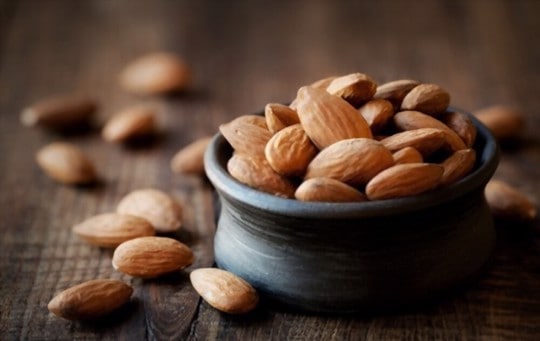
Cooking with almonds opens a door of creativity and possibilities.
There are hundreds of delicious recipes you can try with this dessert-worthy ingredient - including quick sides like those in 22 veggie sides under 12 minutes to serve alongside almond dishes.
However, before going into the best ways to use almonds, let's first see how you can cook them.
The classic way is, roasting.
Simply place your whole almonds on an oven-safe tray and put them in the oven for about 9-12 minutes.
You can add additional ingredients as per your taste, like seasonings, salt, and butter.
If you don't have an oven, you can simply toast the almonds in a pan.
Another popular way of eating almonds is by soaking them.
All you have to do is soak a handful of almonds in a cup of water for about 8 hours.
Then, peel off their skin and enjoy.
It is believed that the nutrient content of almonds is enhanced when soaked.
Almonds can be used to make many dishes.
We're talking desserts, entrees, salads, cakes, and more.
Here are the five best ways to use almonds:
- Silver almonds sprinkled over fresh fruits.
- Blend almonds into a delicious smoothie.
- Whip them in a savory cream or dip.
- Add them to your favorite baked goods.
- Add chopped almonds into your salad for a crunchy texture.
Besides, you can also make flour, oil, milk, paste, or butter using these heavenly seeds.
Final Thought
Now that we've reached the end of our blog post, we hope you've learned a thing or two about almonds.
These brown-covered kernels are versatile, delicious, and equally nutritious.
From baking cakes to making salads, you can use almonds any way you like them.
And it sure won't disappoint you.
As long as you steer clear from bitter almonds, we can't think of any reason why you shouldn't incorporate this superfood into your diet.
Its nutty, earthy, and often sweet flavor will awaken your palate, and you can't help but reach out for another handful of these nutrition-rich drupes.
Marcona almonds comparison guide outlines how Marconas differ from regular almonds. apricot kernels vs almonds breakdown explains which option fits specific recipes.
Frequently Asked Questions
These nuts bring a unique flavor that's hard to pin down, yet undeniably moreish. Almonds taste slightly sweet, with a creamy texture that shines both in raw form and when transformed into milk or butter.
Beyond their taste, they're a powerhouse of nutrition, packed with healthy fats, proteins, and fibers.
Some people enjoy Almonds right away while others need a few tries. The flavor can grow on you, especially when paired with familiar ingredients in a dish you already like.
Does it taste different depending on how it is prepared?
Preparation makes a significant difference.
Raw, roasted, fried, and steamed versions each bring out different qualities - sweetness, bitterness, earthiness, or richness - in the same ingredient.
Yes. Different cultivars, origins, or processing methods produce meaningful flavor differences.
If one version did not appeal to you, trying a different variety is worth the effort.