
Ever wonder why caviar is the go-to luxury snack for the rich and famous? It's all about the experience.
That tiny spoonful of glistening eggs is more than just a fancy appetizer; it's a sip of the ocean, rich and complex.
For those of us not born with a silver spoon in our mouths, the idea of splurging on such an extravagant delicacy can seem a bit out there.
However, the world of caviar is surprisingly accessible, and getting your hands on some doesn't mean you have to empty your bank account.
Join us as we peel back the layers of mystique surrounding caviar and get to the heart of what it really tastes like.
Ready to dive in?
What is Caviar?
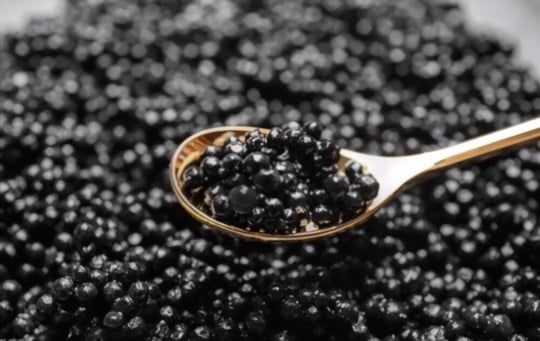
Caviar is an unfertilized egg of fish, commonly known as roe.
Traditionally it was harvested from the wild Sturgeon fish, native to the black sea and Caspian sea.
However, today some places consider Caviar as the roe of other fishes like salmon, carp, lumpfish, or whitefish.
But the "true caviar" and the best Caviar are black to golden in color and come from the sturgeon fish.
So, you can say that only the sturgeon eggs are considered Caviar.
High-quality Caviar is harvested when the Female sturgeon starts to spawn; that's usually around 7 to 20 years, depending on the fish species, so we know precisely why this delicacy is so expensive.
The eggs are harvested using different methods.
It is easy to recognize and catch mature females in the wild because they will move from seawater to freshwater when laying their eggs.
But, in artificial farms, you can distinguish a female-male fish, which can be done only through ultrasound.
Eggs can be harvested even without euthanizing the fish so that the fish can reproduce again.
The eggs are carefully harvested, washed, salted, cured, and packed tightly with no air into tins to retain their taste and quality.
For contrast on a tasting menu, bright citrus elements like lemon can be paired after salty bites; what goes well with lemon in desserts, pairing ideas lists complementary flavors that work with lemon finishes.
History of Caviar
Caviar is a luxury food that has been enjoyed for centuries. The word "caviar" comes from the Persian word "khag-aviar" which means "egg producer".
Caviar is made from the eggs of sturgeon fish and was traditionally found in the Caspian Sea.
The earliest known reference to caviar was made by an Arab physician in the 10th century.
He recommended that pregnant women eat caviar because he believed it would give them strength and make their labor easier. In the 13th century, Marco Polo also noted caviar as a delicacy in his travel diary.
Caviar became more popular in Europe in the 16th century and was often served at royal banquets and social gatherings.
It wasn't until the 19th century that caviar started to be mass-produced and became more accessible to the general public.
Today, caviar is still considered a luxurious food item and is often served at special occasions. It is also used in some beauty products because of its high protein content.
Caviar has long been paired with simple sides to balance its richness; what to serve with cowboy caviar, side suggestions offers approachable side dish ideas that work with salty roe.
What Does Caviar Taste Like?
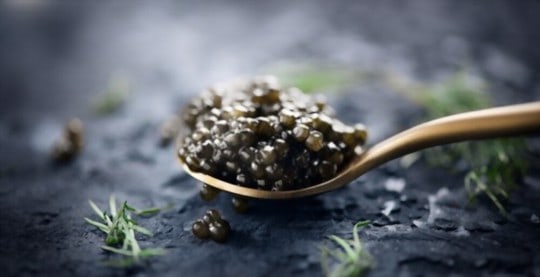
Caviar is often referred to as the "dish of the wealthy" because it is expensive.
Even a 100gram jar of Caviar can cost you more than $120 in the US.
The flavor of caviar depends on the type of fish it is harvested from, as well as the salting and curing process - similar to how what acai berry tastes like, taste guide highlights how origin and processing shape flavor.
Caviar can range from mild to very salty, and its texture can vary from soft to firm.
But overall, the typical taste of the Caviar has a salty, briny, buttery flavor that oozes out when it pops and fills your mouth and nose with its rich sea flavor.
The eggs themselves are quite small, so the flavor is not overwhelming.
The texture of caviar can vary depending on the type of fish it comes from, but it is typically soft and slightly oily.
Whether or not you enjoy the taste of caviar largely depends on your personal preferences.
Some people find the taste to be pleasant, while others find it to be too salty or fishy.
The pressured Caviar in tins has a similar taste to the cod liver oil capsule.
The roe of the sturgeon is dark, translucent with a grainy texture.
Some of the most common sturgeon fish harvested for its roe is the Beluga, Ossetra, Baika, Sterlet, and Sevruga species.
One tablespoon (16 g) of Caviar contains 4 kcal of energy and some amount of proteins (3.94) and fats (2.86 g).
Carbs, vitamins, and minerals are found in small amounts.
Caviar is also classified under two grading systems depending on its quality.
- Grade 1 caviar is known as the superior one.
It has large eggs with a lighter color and firm texture, which pop in your mouth when you eat them.
Beluga is one of the superior ones.
- Grade 2 caviar is often known as the classic.
They are smaller-sized eggs, darker in color, and much softer in texture.
So now you can identify the quality of the Caviar; the high-quality Caviar is lighter in color and is firm in texture after salting.
Cautions: Caviar is relatively high in fat, so you should take care to consume it in smaller quantities.
Also, store them in a clean environment to avoid food poisoning.
How Does the Taste Of Caviar Compare to Other Foods?
Caviar is often described as salty, briny, and fishy. It can be an acquired taste for some people.
The eggs are typically small and firm, with a slightly oily texture. Caviar is usually eaten as a garnish or spread on crackers or bread.
Caviar is definitely a unique food and its taste can vary depending on the type of fish it comes from.
For example, sturgeon caviar is generally considered to be the best quality and it has a more delicate flavor than other types of caviar.
Salmon caviar is also popular and it has a slightly sweeter taste than sturgeon caviar.
How to Serve Caviar?
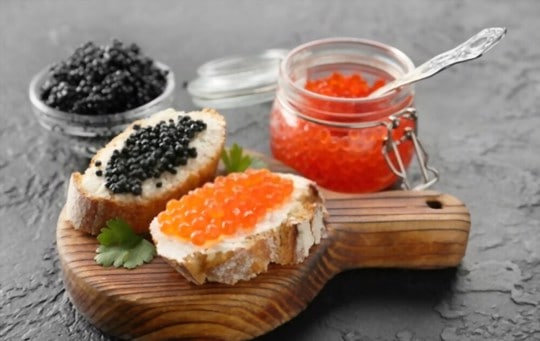
There are different ways how this delicacy is served.
Caviar goes well with almost any dish, from plain crackers to fried chicken.
As Garnish: This is the most common way how Caviar is served.
It is garnished on crackers and crème fraîche or other dishes such as Russian pancakes, blini, oysters, scrambled or boiled eggs, or even plain bread.
Served cold: Many enjoy Caviar on their own, and it is best served cold as it will preserve its taste.
The best way to serve is to keep the container of the Caviar on a bed of ice cubes.
If you want to get the full taste of Caviar, it is best to be eaten in small bites and let the egg pop on the roof of your mouth.
A complimentary dish with alcoholic beverages: When paired with beer or wine, you can never go wrong.
Enjoy your evenings with this simple yet rich pair. It would be best if you do not eat Caviar with a stainless steel or silver spoon as it can alter the taste.
There is a special spoon just for eating Caviar, and it is called the mother of pearl spoon.
If it is inaccessible, you can use a spoon made of bone, gold plated, or even a plastic spoon.
When planning a full tasting, consider following small caviar bites with a light dessert; single-serve desserts for treats suggests compact sweets that keep the menu elegant and balanced.
Flavor Profile of Caviar
Caviar tastes different depending on its quality and where you get it from.
If you ever think of buying packed Caviar, try to buy from the best brands because, as it says, the first impression will take you a long way.
It is advised to keep the Caviar refrigerated before consumption because it spoils quickly.
In contrast, pasteurized Caviar can extend its shelf time and does not need to be refrigerated.
Frequently Asked Questions
Ever wonder why caviar is the go-to luxury snack for the rich and famous? That tiny spoonful of glistening eggs is more than just a fancy appetizer; it's a sip of the ocean, rich and complex.
Join us as we peel back the layers of mystique surrounding caviar and get to the heart of what it really tastes like.
Several foods share flavor notes with Caviar Really. Tasting similar items side by side is the easiest way to map out what you enjoy and find new favorites.
Can you adjust the intensity of the flavor?
Yes.
Pairing it with acidic, sweet, or fatty components shifts the perceived intensity.
A squeeze of citrus brightens mild flavors, while fats like butter or oil mellow sharper ones.
Avoid pairings that clash with its dominant flavor note. Competing intensities - very sweet with very sour, or heavy with delicate - tend to obscure rather than go with the taste.
What to Serve with Caviar? 9 BEST Side Dishes offers complementary plate ideas. what to serve with caviar, side dishes fills that role. caviar vs roe, key differences explains how true caviar differs from other roe.