
The closest alternatives to Peanut Oil are Almond Oil, Walnut Oil, Sunflower Oil, Canola Oil, and Grape Seed Oil.
Almond Oil is the closest match - it has a similar flavor and works at a 1:1 ratio in most recipes.
For cooking, Walnut Oil also works well - adjust the amount to taste since it may be slightly stronger or milder.
Peanut oil's out of the picture for you?
It's time to pivot, and lucky for you, we've got tricks up our sleeve.
This list is your golden ticket to keep those dishes delicious without missing a beat.
From baking wonders to frying champions, we're about to show the top five swaps for peanut oil that will have you saying, "Peanut what?"
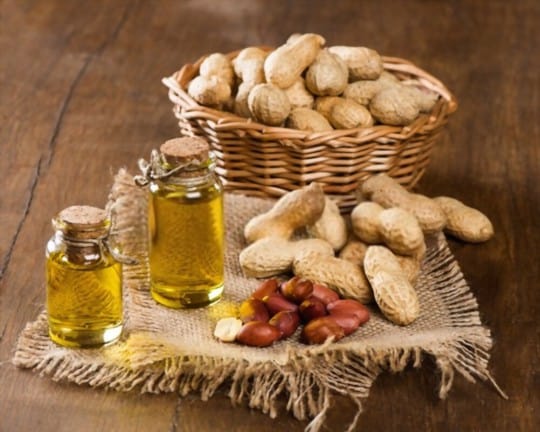
Suitable Oils to Replace Peanut Oil
Peanut oil is a common cooking oil known for its distinct flavor and high smoke point.
However, if you are looking for alternatives to peanut oil or need a substitute due to dietary restrictions or availability, there are several options to consider.
| Substitute | Key Characteristics | Proper Ratio |
|---|---|---|
| Almond Oil | Made from pressed almonds, it has a mild nutty flavor and a high smoke point | Use an equal amount of almond oil as a substitute for peanut oil |
| Walnut Oil | Extracted from walnuts, it has a delicate nutty flavor and should be used in dressings and low-heat cooking | Use an equal amount of walnut oil as a substitute for peanut oil |
| Sunflower Oil | Extracted from sunflower seeds, it has a neutral flavor and a high smoke point | Use an equal amount of sunflower oil as a substitute for peanut oil |
| Canola Oil | Made from rapeseed, it has a neutral flavor and a high smoke point | Use an equal amount of canola oil as a substitute for peanut oil |
| Grape Seed Oil | Extracted from grape seeds, it has a light and neutral flavor and a high smoke point | Use an equal amount of grape seed oil as a substitute for peanut oil |
Here is a closer look at each option:
1 - Almond Oil
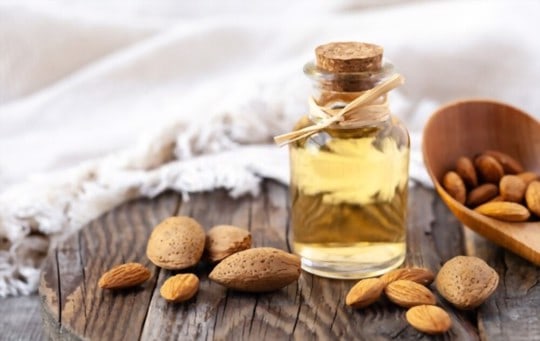
Almond oil is a flexible ingredient that has many culinary applications.
Its nutty, rich flavor improves savory dishes, and it can also be used to impart subtle sweetness to baked goods.
In addition, almond oil is incredibly healthy, packed with vitamins and nutrients that promote good skin health, strong bones, and a healthy cardiovascular system.
Because of its wide range of uses in the kitchen and its many health benefits, almond oil is an excellent choice for anyone who loves to cook or stays healthy and bright.
Whether making a comforting stew or whipping up a batch of cupcakes, almonds will always have your back.
- Key Characteristics: Almond oil is made from pressed almonds, offering a mild nutty flavor. It has a high smoke point, making it suitable for various cooking methods.
- Proper Ratio: Use an equal amount of almond oil as a substitute for peanut oil. Adjust the quantity based on personal preference and desired flavor intensity.
2 - Walnut Oil
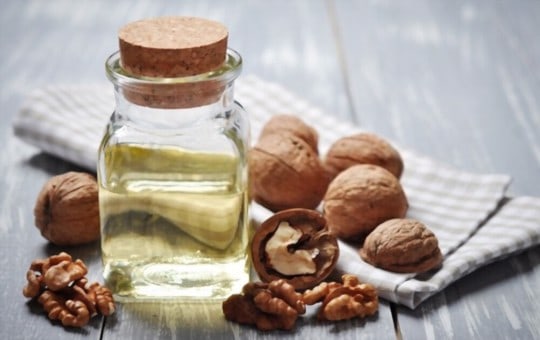
Walnut oil is a culinary ingredient with a rich, nutty flavor and a high smoke point, making it ideal for cooking.
This flexible ingredient can be added to almost any dish, whether stir-fried vegetables, creamy pasta sauces, or grilled meats.
Also, walnuts are rich in essential nutrients and antioxidants, making them great for any healthy diet.
With its many uses in the kitchen and its wealth of health benefits, walnut oil is truly a delicious and nutritious ingredient that belongs in every home chef's pantry.
So why not give this unique oil a try the next time you are whipping up something tasty in the kitchen? Your palate will thank you.
- Key Characteristics: Walnut oil is extracted from walnuts, providing a delicate nutty flavor. It is best used in dressings and low-heat cooking to preserve its unique qualities.
- Proper Ratio: Use an equal amount of walnut oil as a substitute for peanut oil. Adjust the quantity based on personal preference and desired flavor intensity.
3 - Sunflower Oil
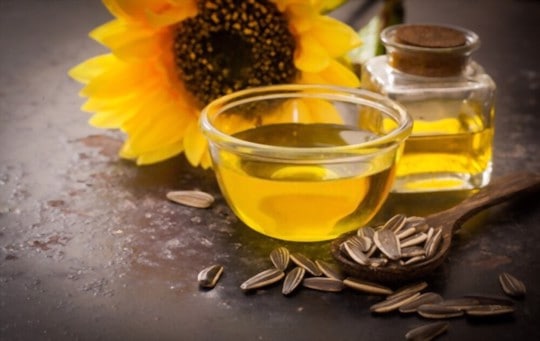
Sunflower oil has become an increasingly popular cooking oil in recent years.
In addition to its delicious flavor and neutral aroma, sunflower oil is high in nutrient content and low in saturated fats.
It can also be used at high temperatures without burning or smoking, making it an ideal choice for many types of cooking.
Whether sautéing vegetables or grilling meats, sunflower oil is a great way to add complexity and depth to your dishes.
There are endless ways to use this flexible cooking oil, from sweet and savory to spicy and smoky.
So why not give it a try the next time you fire up the grill or reach for that frying pan? You may find that using sunflower oil is the key ingredient to your next great dish.
- Key Characteristics: Sunflower oil is extracted from sunflower seeds, offering a neutral flavor. It has a high smoke point, making it versatile for various cooking methods.
- Proper Ratio: Use an equal amount of sunflower oil as a substitute for peanut oil. Adjust the quantity based on personal preference and desired flavor intensity.
4 - Canola Oil

Canola oil is a type of vegetable oil derived from various rapeseed.
Canola oil is relatively new to the market, only introduced in the 1970s.
However, it has quickly become a popular cooking oil due to its many benefits.
Canola oil is low in saturated fat and high in monounsaturated fat, making it a healthier option than other oils.
It also has a neutral flavor, which makes it ideal for cooking.
In addition, canola oil has a high smoke point, meaning that it can be used for high-heat cooking without smoking or burning.
As a result, canola oil is a versatile and healthy option for cooking.
- Key Characteristics: Canola oil is made from rapeseed and has a neutral flavor. It has a high smoke point, making it suitable for frying, baking, and other cooking methods.
- Proper Ratio: Use an equal amount of canola oil as a substitute for peanut oil. Adjust the quantity based on personal preference and desired flavor intensity.
5 - Grape Seed Oil
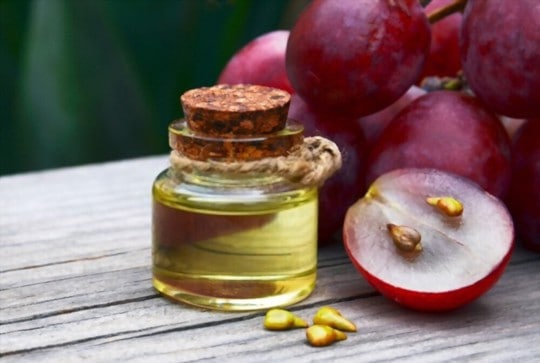
Grape seed oil is a versatile and healthy cooking oil with a rich, nutty flavor and a high smoke point.
It is great for sautéing, baking, roasting, grilling, and stir-frying.
Its mild taste makes it an excellent choice for recipes that call for delicate flavors, such as seafood or mild cheeses.
Also, because of its high antioxidant content and vitamin E levels, grape seed oil can help to protect against oxidative damage in the body and prevent chronic diseases such as cancer and heart disease.
Whether you want to add new cooking oil to your repertoire or incorporate more antioxidants into your diet, the grape seed oil is a perfect choice.
- Key Characteristics: Grape seed oil is extracted from grape seeds, offering a light and neutral flavor. It has a high smoke point, making it suitable for high-heat cooking methods.
- Proper Ratio: Use an equal amount of grape seed oil as a substitute for peanut oil. Adjust the quantity based on personal preference and desired flavor intensity.
You might also want to know how peanut oil compares.
Frequently Asked Questions
Almond Oil is the best substitute for Peanut Oil because it shares a similar flavor and texture. Use it at a 1:1 ratio in any recipe that calls for Peanut Oil.
Yes, and the results are often hard to tell apart. Almond Oil is the go-to replacement.
For variety, Walnut Oil adds its own twist to the dish.
Sometimes. Blending two partial substitutes - one for flavor and one for texture - gets closer to the original.
This works best when neither alone fully replicates what you need.
Not always. Some substitutes are processed or have a strong raw flavor that disappears with heat.
Check whether the original is typically used raw before assuming the substitute will work the same way.