
Swap Butternut Squash with Spaghetti Squash, Acorn Squash, Hubbard Squash, Buttercup Squash, and Delicata Squash.
It can be roasted, mashed, or used in
Acorn squash, we've got the lowdown.
Alright, here's the scoop. Finding the perfect substitute for butternut squash isn't rocket science.
Sure, it's sweet, nutty, and totally vibes with your autumn soup.
But sometimes, it's about mixing things up or dealing with an empty produce drawer.
There are some pretty awesome stand-ins that might just surprise you.
From savory sweet potatoes to the underrated, creamy acorn squash, we've got the lowdown.
And hey, who says change isn't good?
Let's break out of the butternut bubble and get our hands on some equally tasty alternatives.
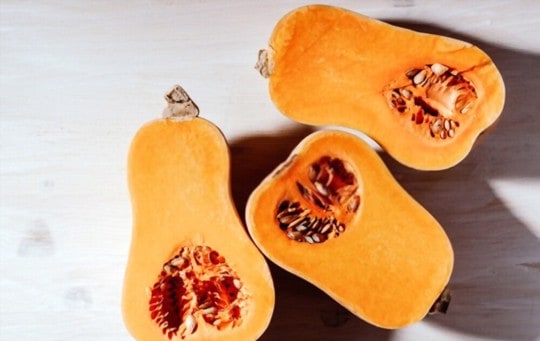
5 Common Replacements for Butternut Squash
There's no need to buy pre-cut butternut squash. There are many other foods that you can use in place of it.
Here's a detailed comparison of the 5 best substitutes for butternut squash, along with their key characteristics and proper ratios:
| Substitute | Key Characteristics | Proper Ratio |
|---|---|---|
| Spaghetti Squash | Spaghetti squash has a mild, slightly sweet flavor and a stringy, noodle-like texture when cooked. | Use an equal amount of cooked spaghetti squash as you would with butternut squash. |
| Acorn Squash | Acorn squash has a slightly nutty flavor and a tender, creamy flesh. It can be roasted, baked, or steamed. | Use an equal amount of cooked acorn squash as you would with butternut squash. |
| Hubbard Squash | Hubbard squash has a sweet, nutty flavor and a dense, bright orange flesh. It can be roasted, mashed, or used in soups and stews. | Use an equal amount of cooked hubbard squash as you would with butternut squash. |
| Buttercup Squash | Buttercup squash has a sweet and creamy flesh with a rich flavor. It can be roasted, baked, or pureed for various recipes. | Use an equal amount of cooked buttercup squash as you would with butternut squash. |
| Delicata Squash | Delicata squash has a sweet and slightly nutty flavor with a tender skin that can be eaten. It is versatile and can be roasted or stuffed. | Use an equal amount of cooked delicata squash as you would with butternut squash. |
Now, let's discuss each substitute in more detail:
1 - Spaghetti Squash
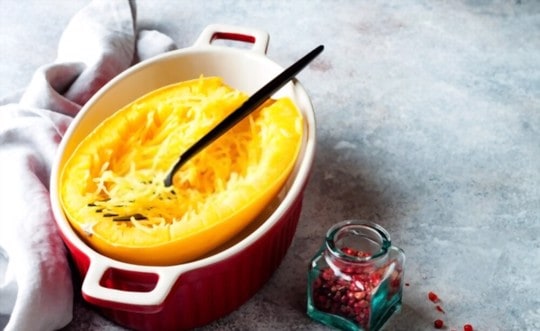
Both does spaghetti squash taste great, but it can be eaten as a much healthier substitute for pasta.
This vegetable is bright yellow and has a stringy texture.
This is because it has been cut lengthwise and removed the seeds.
Once you place spaghetti squash in the oven, the flesh separates from its shell - this is where it gets its name from.
In addition to being substituted for pasta, spaghetti squash can be used as a rice substitute.
The taste will vary slightly, however.
It will likely taste slightly more like a potato than rice.
You can also roast spaghetti squash and eat it with butter and salt.
If you don't want to use butter, add a bit of olive oil instead.
2 - Acorn Squash
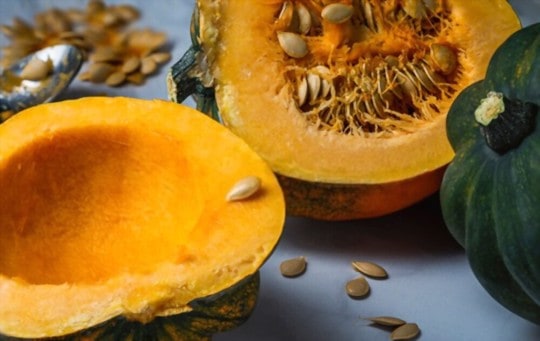
Acorn squash may be hard to cut, but it tastes great once you do.
This is a winter squash that can be eaten raw or cooked.
Acorn squash has a mild and sweet taste.
It also makes for a fantastic side dish during the holidays.
You can even roast acorn squash with salt, pepper, sugar, and other spices.
This squash has a dark green and orange exterior with deep ridges and lines.
It is slightly smaller than butternut squash, and the shape is different too.
There is also more orange color in acorn squash than butternut squash.
The seeds of acorn squash are edible as well.
You can eat acorn squash in soups, stews, and purees.
In addition, it can be used as a replacement for a pumpkin.
3 - Hubbard Squash
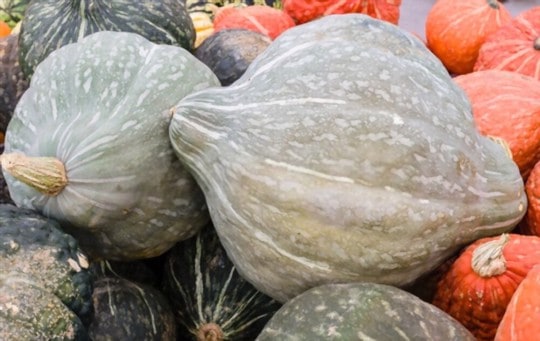
Hubbard squash is a variety of winter squash that is very versatile.
It can be used in soups, stews, and casseroles.
You can also roast it and eat it with butter and spices like you would with acorn or butternut squash.
In addition to replacing other winter squashes, Hubbard Squash makes a great replacement for butternut squash in savory dishes.
If you are using it in a soup recipe, you can even puree it with the rest of the soup.
Hubbard squash usually has an exterior with alternating green and orange stripes.
Its shape is similar to acorn squashes, but its ridges are much shorter.
Hubbard squash also usually has a lighter orange inside than butternut squash does.
4 - Buttercup Squash
Many people wonder how to make a recipe lower in fat.
Buttercup squash is a great replacement for butternut squash if you need a substitute that will help reduce the number of calories and saturated fats you're ingesting.
In addition, this winter squash has a sweet flavor similar to butternut squash.
You can cook buttercup squash just like you would butternut squash.
You can use it as a side dish, in soups and stews, and even as a main course.
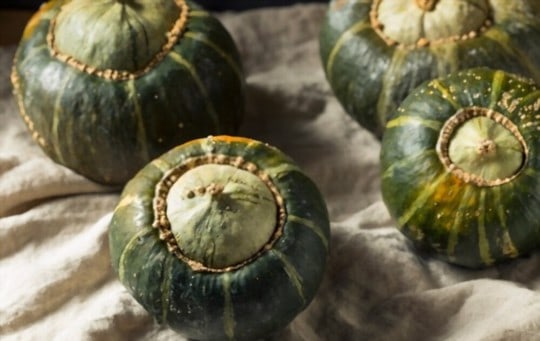
Buttercup Squash has an exterior with dark green strips on it.
The shape is similar to that of the Hubbard Squash, but the ridges are much shorter, and there is more orange inside.
5 - Delicata Squash
Delicata Squash is another winter squash that can be cooked and used to replace butternut squash.
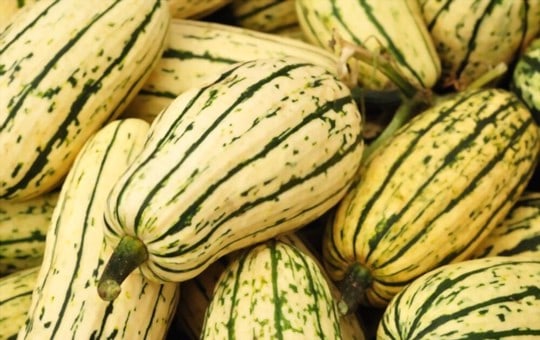
This type of squash has a different shape than the others - it looks like an acorn squash cut in half lengthwise.
If you've never tried delicata, now is the time to give it a try.
Cook it, scoop out the inside and eat it with butter, salt, and other spices.
Delicata squash has an exterior with green stripes on it.
It also has a bright yellow color inside that makes for a great palette cleanser between bites of meat or vegetables.
You can use delicata squash as a side dish, just like butternut squash.
You can also cook meat in casseroles, soups, and stews.
You might also want to know how butternut squash compares.
Frequently Asked Questions
It can be roasted, mashed, or used in Use it at a 1:1 ratio in any recipe that calls for Butternut Squash.
You have several options. Spaghetti Squash matches the original closely, while Acorn Squash brings a slightly different character.
Either works at a 1:1 ratio.
Yes. Check your grocery store's international or health food aisle for widely available options.
Many substitutes are pantry staples that are easier to source than the original.
Forgiving dishes - soups, stews, casseroles, and sauces - are the best starting point. They mask small texture or flavor differences better than dishes where the ingredient is the star.