
If you're out of Best Rice Vinegar, reach for White Wine Vinegar, Apple Cider Vinegar, Lemon or Lime Juice, Sherry Vinegar, and Champagne Vinegar.
White Wine Vinegar
White wine vinegar is a type of vinegar made from white wine.
For cooking, Apple Cider Vinegar also works well - adjust the amount to taste.
Okay, so you're whipping up your signature dish and bam - you're out of rice vinegar.
Classic kitchen curveball, right?
It's all about making your dishes pop without that last-minute grocery run. Ever used apple cider vinegar in a pinch?
It's a solid option.
Or how about that lemon juice sitting in your fridge? Yup, that can work wonders too.
The 5 Best Substitutes for Rice Vinegar
For those who have never used rice vinegar before, it can be a little intimidating.
It is made from fermented rice and has a very strong, acidic flavor.
If you are looking for milder vinegar to use in your cooking, there are several good substitutes that will work just as well.
1 - White Wine Vinegar
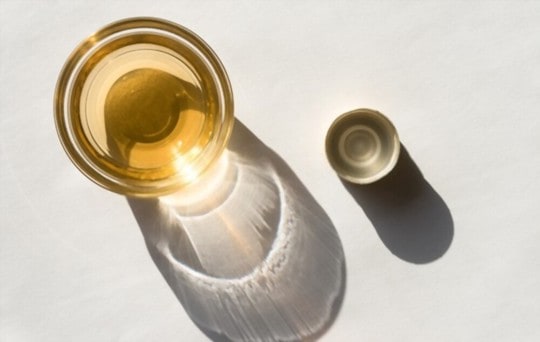
White wine vinegar is a type of vinegar made from white wine.
It has a light, mild flavor that makes it ideal for salads and other dishes.
White wine vinegar can also be used in cooking, where it can add a subtle depth of flavor to sauces and other dishes.
When shopping for white wine vinegar, be sure to check the label carefully.
Some brands of white wine vinegar are made from distilled alcohol, while others are made from fermented wine.
The latter is generally more expensive but has a richer flavor.
When using white wine vinegar in cooking, it is important to add it towards the end of the cooking process so that it does not become too sour.
2 - Apple Cider Vinegar
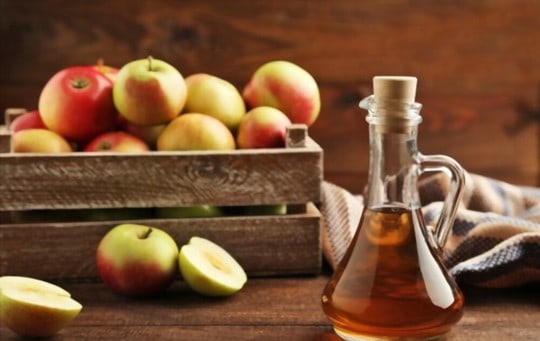
Apple cider vinegar is a popular kitchen staple with a variety of uses.
It can be used for cooking, cleaning, and even as a homemade beauty treatment.
Apple cider vinegar can be used as a marinade or added to sauces and salad dressings for a zesty flavor.
It can also be used as a natural cleaning solution.
Dilute the vinegar with water and use it to clean countertops, floors, and even windows.
As for beauty treatments, apple cider vinegar can be used as a facial toner or added to a bath for a relaxing soak.
So whether you're looking to add some flavor to your meal or want to find a natural way to clean your home, apple cider vinegar is a flexible ingredient that should be in every kitchen.
3 - Lemon or Lime Juice
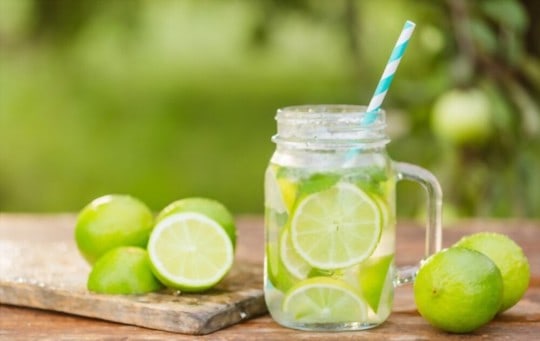
Lemon and lime juice are both popular citrus fruits that offer a tart, acidic flavor.
They are often used interchangeably, there are some key differences between the two juices.
Lemon juice is slightly sweeter than lime juice, and it also has a higher acidity level.
This makes it ideal for use in baking, as it can help to balance out the sweetness.
Lime juice, on the other hand, is more tart and acidic.
It is often used in savory dishes, as it can brighten up flavors and add a zesty kick.
Also, lime juice is a popular ingredient in cocktails, as it lends a refreshing tartness to drinks.
Whether you prefer lemon or lime juice, both options can add a delicious zing to your favorite recipes.
4 - Sherry Vinegar
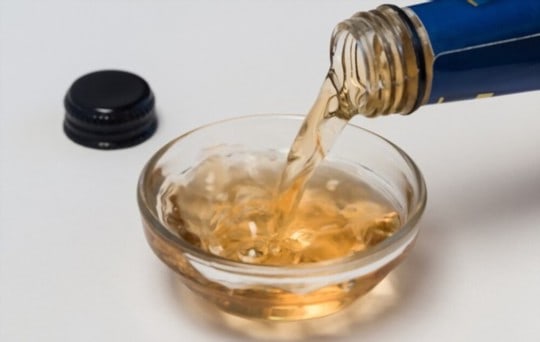
Sherry vinegar is a type of vinegar made from sherry wine.
It has a dark color and a complex, intense flavor that is perfect for improving savory dishes.
Unlike other types of vinegar, sherry vinegar is not made by fermenting alcohol.
Instead, it is produced through a process called the solera system.
This involves aging the sherry wine in barrels for several years before bottling it.
The result is a vinegar that is rich in flavor and perfect for use in salads, sauces, and marinades.
If you're looking for something unique to add to your kitchen pantry, sherry vinegar is a great option.
5 - Champagne Vinegar
Champagne vinegar is a type of vinegar made from champagne.
It has a light, delicate flavor that is perfect for dressing salads or adding some elegance to cooked dishes.
Champagne vinegar is made by fermenting champagne.
The alcohol in the champagne is converted into acetic acid, which gives the vinegar its sour taste.
The fermentation process also produces carbon dioxide, which gives champagne vinegar its characteristic fizz.
Champagne vinegar is a flexible ingredient that can be used in both sweet and savory dishes.
It can be used to make vinaigrettes and sauces or added to desserts such as fruit salad or pound cake.
Champagne vinegar can also be used in marinades and brines or simply sprinkled over food as a finishing touch.
You might also want to know how rice vinegar compares.
Frequently Asked Questions
White Wine Vinegar, Apple Cider Vinegar, Lemon or Lime Juice, Sherry Vinegar, and Champagne Vinegar. Use it at a 1:1 ratio in any recipe that calls for Best Rice Vinegar.
Absolutely. White Wine Vinegar is the closest swap.
Apple Cider Vinegar also works in a pinch. Match the original amount and tweak from there.
Can this substitute be used in baking as well as cooking?
Some work in both, but baking is less forgiving.
Substitutes that alter fat content, sweetness, or moisture can shift the structure of baked goods.
Test with a small batch first.
Frozen substitutes sometimes change texture after thawing. This matters more in raw applications like salads than in cooked dishes where texture is softened by heat anyway.