
If you're out of Potato Starch, reach for Tapioca Starch, Arrowroot Powder, Coconut Flour, Wheat Flour, and Cornstarch.
Tapioca Starch is the closest match - it has a similar flavor and works at a 1:1 ratio in most recipes.
For cooking, Arrowroot Powder also works well - adjust the amount to taste since it may be slightly stronger or milder.
It's not the end of the world, though. Finding a substitute can be surprisingly easy.
Our kitchens are treasure troves of potential swaps.
From the trusty cornstarch lurking in your cupboard to the tapioca flour you bought for a recipe and never used again.
Ready to dive in and save your baking masterpiece?
5 Top Alternatives to Potato Starch
Potato starch is a common ingredient used as a thickener, binder, or coating in various recipes.
However, if you find yourself without potato starch or need a substitute due to dietary preferences or availability, there are several alternatives that can provide similar characteristics.
| Substitute | Key Characteristics | Proper Ratio |
|---|---|---|
| Tapioca Starch | Neutral taste and smooth texture | Use an equal amount of tapioca starch as a substitute |
| Arrowroot Powder | Excellent thickening properties and neutral flavor | Use an equal amount of arrowroot powder as a substitute |
| Coconut Flour | Adds a subtle coconut flavor and adds texture | Use half the amount of coconut flour as a substitute |
| Wheat Flour | Provides thickness and adds a nutty flavor | Use twice the amount of wheat flour as a substitute |
| Cornstarch | Widely available and has excellent thickening properties | Use an equal amount of cornstarch as a substitute |
Here is a closer look at each option:
1 - Tapioca Starch
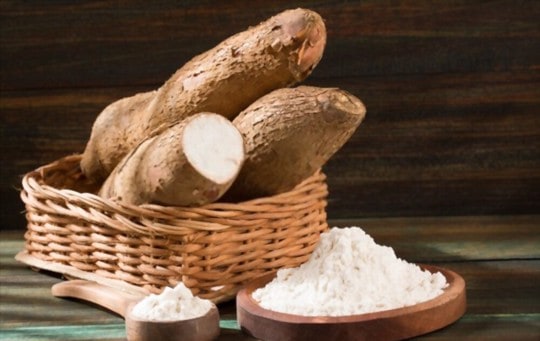
Tapioca is a starch made from ground cassava root.
It's very different from potatoes and may be used in large quantities without getting that starchy texture.
Many people say it's flavorless and slightly sweet, but this will vary depending on the brand used to complete your recipe.
In terms of cooking techniques, tapioca starch can be used in most recipes that call for potato starch, but it will slightly alter the dish's taste.
Just like potato starch, you can use tapioca starch as an egg replacement when baking by substituting one tablespoon of tapioca starch for every three eggs.
In addition, this substitution is a great alternative for those who are gluten intolerant or have celiac disease.
- Key Characteristics: Tapioca starch has a neutral taste and a smooth texture. It can be used as a direct substitute for potato starch in most recipes.
- Proper Ratio: Use an equal amount of tapioca starch as a substitute for potato starch. Adjust the quantity based on your recipe requirements.
2 - Arrowroot Powder

Arrowroot powder is a mild-tasting flour from the root of a tropical plant called Maranta arundinacea.
It may be used as a thickener or in baked goods to provide moistness, increase elasticity, and add crispiness.
This powder can have a slightly sweet taste, but it typically does not alter the dish's flavor being served.
It's perfect for thickening sauces, especially those made with fruit.
The fruit-based sauces are best when thinned down to ensure proper consistency.
This product can be used to replace potato starch in a 1:1 ratio.
It's also naturally gluten-free and vegan.
- Key Characteristics: Arrowroot powder is known for its excellent thickening properties and neutral flavor. It works well as a substitute for potato starch in recipes that require a clear and glossy finish.
- Proper Ratio: Use an equal amount of arrowroot powder as a substitute for potato starch. Adjust the quantity based on your recipe requirements.
3 - Coconut Flour
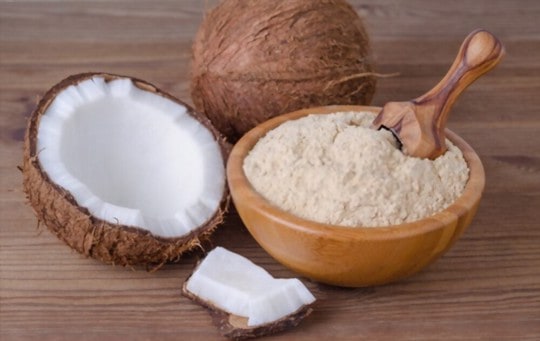
Coconut flour is made from dried and defatted coconut meat, which has a low carbohydrate content.
However, it provides more fiber than many other flours, and it's a great source of healthy fats.
Coconut flour is also very high in protein.
It's full of many vitamins and minerals, such as iron, potassium, calcium, magnesium, and zinc.
When using coconut flour for thickening purposes, you must use one tablespoon of the flour per three tablespoons of liquid.
If you want to replace potato starch completely in a recipe, add a tablespoon of coconut flour.
Unlike the other options on this list, coconut flour is very absorbent.
This means you must use much less when replacing other ingredients.
It may be difficult for some people to find coconut flour at local stores, but it can be purchased online.
- Key Characteristics: Coconut flour adds a subtle coconut flavor and texture to recipes. It can be used as a substitute for potato starch, particularly in gluten-free or grain-free recipes.
- Proper Ratio: Use half the amount of coconut flour as a substitute for potato starch. Adjust the quantity based on your recipe requirements, as coconut flour tends to absorb more moisture.
4 - Wheat Flour
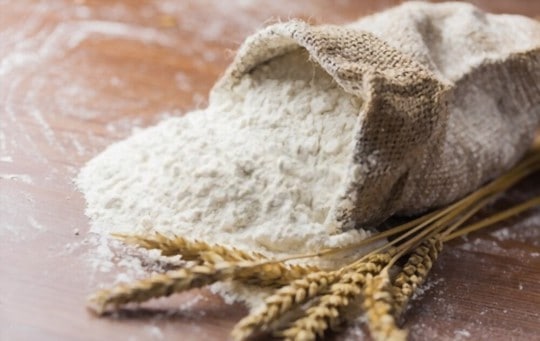
Wheat flour is a great thickening agent.
Do not confuse this with all-purpose or self-rising flour if you are on a gluten-free diet.
You can use whole wheat pastry flour for thickening purposes - it's lighter in texture and color but still packs the same nutrient punch.
This replacement is recommended in a 1:1 ratio to replace potato starch in recipes.
It's also important to note that using wheat flour as a replacement will cause the dish to achieve a mild nutty taste.
This is because wheat flour contains gluten - but it provides many more health benefits than potato starch.
- Key Characteristics: Wheat flour provides thickness and adds a nutty flavor to dishes. While it is not gluten-free like potato starch, it can be used as a substitute in non-gluten-sensitive recipes.
- Proper Ratio: Use twice the amount of wheat flour as a substitute for potato starch. Adjust the quantity based on your recipe requirements.
5 - Cornstarch
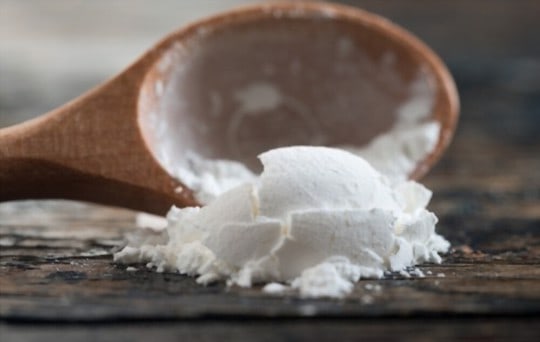
Cornstarch is a fine-textured powder that comes from the tough outer layer of corn kernels.
It can be found in just about any grocery store and may also be used as a gluten-free alternative.
When using cornstarch to thicken sauces or other dishes, it must be mixed with water until smooth before being added.
The ratio for this substitution is one tablespoon of cornstarch per two tablespoons of cold liquid.
You mustn't use too much cornstarch in your dish - too much can create a slurry that becomes sticky.
It's also important to note that cornstarch can slightly alter your dish's color, so be careful when using this replacement in light-colored sauces.
- Key Characteristics: Cornstarch is widely available and has excellent thickening properties. It is a common substitute for potato starch and works well in most recipes.
- Proper Ratio: Use an equal amount of cornstarch as a substitute for potato starch. Adjust the quantity based on your recipe requirements.
Frequently Asked Questions
Tapioca Starch is the best substitute for Potato Starch because it shares a similar flavor and texture. Use it at a 1:1 ratio in any recipe that calls for Potato Starch.
Absolutely. Tapioca Starch is the closest swap.
Arrowroot Powder also works in a pinch. Match the original amount and tweak from there.
Can this substitute be used in baking as well as cooking?
Some work in both, but baking is less forgiving.
Substitutes that alter fat content, sweetness, or moisture can shift the structure of baked goods.
Test with a small batch first.
Frozen substitutes sometimes change texture after thawing. This matters more in raw applications like salads than in cooked dishes where texture is softened by heat anyway.