
If you're out of Tapioca Flour, reach for Cornstarch, Cassava Flour, Potato Starch, All-purpose Flour, and Arrowroot Powder.
Cornstarch
Cornstarch is a powder made from the starchy part of a corn kernel.
For cooking, Cassava Flour also works well - adjust the amount to taste.
Oh snap, you're midway through baking and just realized the tapioca flour's gone MIA?
Been there, done that. No sweat, though!
We've all hit that bump where the pantry's playing a game of hide and seek-especially with that one ingredient we swore was right there.
Here's the scoop: you can still whip up your masterpiece without hitting pause.
We've rustled up the top five swaps for tapioca flour that might just save your dish.
Each one's a little champ in its own right, promising to keep your kitchen experiments on the right track.
And guess what? This isn't about second-best options.
It's about making your recipes sing with what you've got on hand.
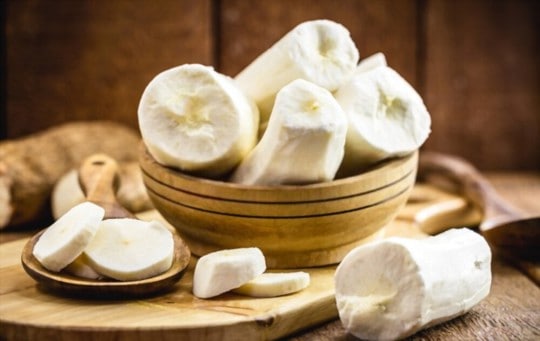
The 5 Best Substitutes for Tapioca Flour
If you're looking for a gluten-free alternative, tapioca flour is a great option.
Unfortunately, it can be difficult to find in stores and can be expensive.
Luckily, several substitutes will work just as well in your recipes.
1 - Cornstarch
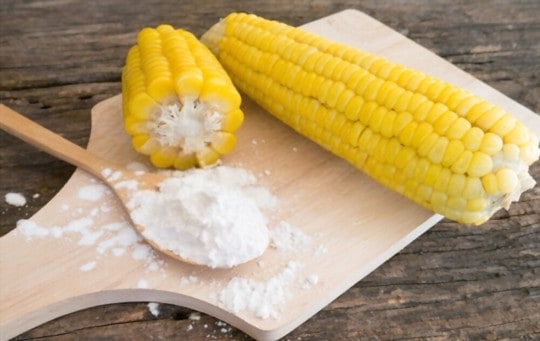
Cornstarch is a powder made from the starchy part of a corn kernel.
It's most commonly used as a thickening agent for soups and sauces, but it can also be used to make corn syrup, biodegradable plastics, and laundry starch.
Cornstarch is usually white or yellowish in color, and it has a slightly sweet taste.
When heated, cornstarch turns into a gel-like substance that can be used to thicken or stiffen other food items.
Many people also use cornstarch as a way to prevent sticking when cooking meat or vegetables.
In addition, cornstarch can be used as a gentle cleanser or Polisher.
When combined with water, it forms a slurry that can be used to clean windows, countertops, and other surfaces.
Finally, cornstarch can also be used to absorb odors and moisture.
When sprinkled on carpets or upholstery, it helps to absorb spills and keep the area smelling fresh.
2 - Cassava Flour
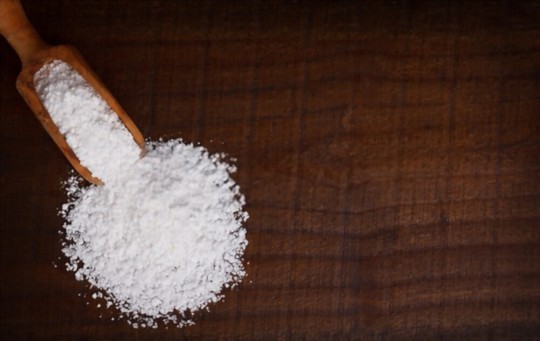
Cassava flour is a type of flour made from the cassava plant.
The cassava plant is native to South America and is also known as yuca or manioc.
Cassava flour has a light, slightly sweet flavor and is a good alternative to wheat flour for those with gluten sensitivities.
It is also high in fiber and nutrients, making it a healthy choice for baking and cooking.
Cassava flour can be used in many different recipes, including bread, cakes, cookies, and even pancakes.
So if you're looking for a gluten-free option that is still delicious and nutritious, try cooking with cassava flour.
3 - Potato Starch
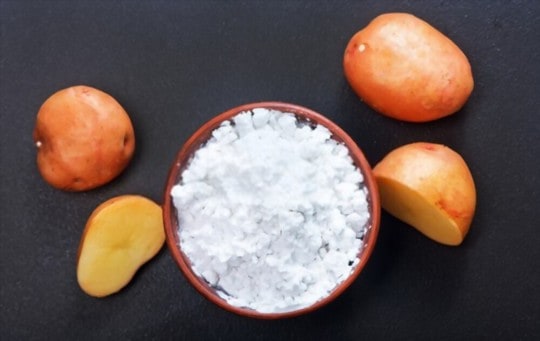
Most people are familiar with potato starch as a cooking ingredient, but there are actually many uses for this flexible substance.
Potato starch is a type of carbohydrate that is extracted from potatoes.
It is a white powder that is often used as a thickening agent in recipes.
Potato starch can also be used as a coating for fried foods, and it is sometimes added to baked goods to create a crispy texture.
In addition, potato starch is commonly used in the textile industry and in papermaking.
It is also an important component of adhesives and explosives.
As you can see, potato starch is much more than just a cooking ingredient-it has a wide range of uses in different industries.
4 - All-purpose Flour
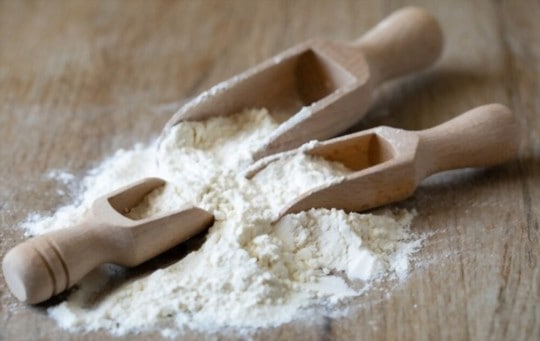
All-purpose flour is a type of flour that can be used for a variety of baking recipes.
It is made from a blend of different kinds of wheat and has a lower protein content than bread flour.
All-purpose flour is typically bleached, which gives it a finer texture and lighter color.
It can be used to make cakes, cookies, muffins, and other quick bread.
When making yeast bread, all-purpose flour can be used in place of bread flour, although the results may not be as light and fluffy.
All-purpose flour is readily available in most supermarkets.
5 - Arrowroot Powder

Arrowroot powder is a fine, white powder that is derived from the root of the arrowroot plant.
It has a variety of uses, including as a thickening agent in recipes, as a binding agent in cosmetics, and even as baby food.
Arrowroot powder is also known for its absorbent properties, which make it an ideal ingredient for diaper rash creams and other skin care products.
Also, arrowroot powder can be used to soothe the stomach and relieve diarrhea.
It is also sometimes used as a Natural treatment for teething pain in infants.
Frequently Asked Questions
Cornstarch, Cassava Flour, Potato Starch, All-purpose Flour, and Arrowroot Powder. Use it at a 1:1 ratio in any recipe that calls for Tapioca Flour.
Absolutely. Cornstarch is the closest swap.
Cassava Flour also works in a pinch. Match the original amount and tweak from there.
Can this substitute be used in baking as well as cooking?
Some work in both, but baking is less forgiving.
Substitutes that alter fat content, sweetness, or moisture can shift the structure of baked goods.
Test with a small batch first.
Frozen substitutes sometimes change texture after thawing. This matters more in raw applications like salads than in cooked dishes where texture is softened by heat anyway.