
If you're out of Pumpkin, reach for Acorn Squash, Sweet Potatoes, Butternut Squash, Hubbard Squash, and Canned Pumpkin.
Acorn Squash is the closest match - it has a similar flavor and works at a 1:1 ratio in most recipes.
For cooking, Sweet Potatoes also works well - adjust the amount to taste since it may be slightly stronger or milder.
Pumpkin's off the menu and you're in a bind? We've been there.
Gone are the days of pumpkin-only pies and soups.
Life handed us the universal truth that variety is the spice of it
And we're rolling with it, finding gems that'll brighten up any dish.
Got a recipe screaming for pumpkin and can't find any?
Our list is packed with easy-to-find, flavorful alternatives that might just become your new go-tos.
We're talking about switching up the game, keeping flavors bold and your kitchen creations exciting.
These substitutes aren't just stand-ins; they bring their own unique twist to every meal.
Dive in with us as we share the perfect picks to keep your cooking on point, no pumpkin required.
5 Pumpkin Alternatives for Recipes
Pumpkin is a versatile and beloved ingredient, especially during the fall season.
However, if you find yourself without fresh or canned pumpkin or simply want to explore alternative options, there are several substitutes that can provide similar characteristics - pumpkin puree substitute ideas for recipes.
| Substitute | Key Characteristics | Proper Ratio |
|---|---|---|
| Acorn Squash | Mild, sweet flavor with a tender texture | Use an equal amount of acorn squash as a substitute |
| Sweet Potatoes | Naturally sweet with a creamy texture | Use an equal amount of sweet potatoes as a substitute |
| Butternut Squash | Sweet and nutty with a smooth texture | Use an equal amount of butternut squash as a substitute |
| Hubbard Squash | Sweet and rich with a dense texture | Use an equal amount of hubbard squash as a substitute |
| Canned Pumpkin | Smooth and creamy with a rich flavor | Use an equal amount of canned pumpkin as a substitute |
Here is a closer look at each option:
1 - Acorn Squash
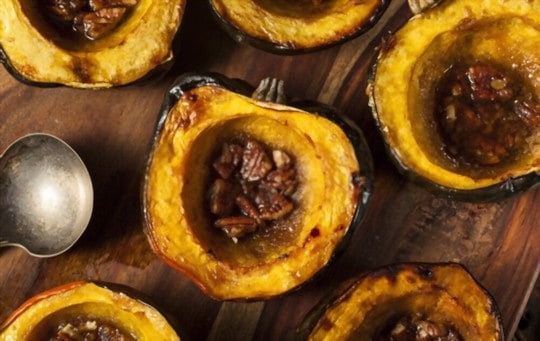
Acorn squash is a winter squash that can be found in various colors, including green and orange.
This vegetable has a very sweet flavor and, when cooked, can have a creamy texture.
Acorn squash tastes great with brown sugar when being baked in the oven.
In addition to this, it may also add a crunchy texture when paired with items like pecans.
This squash is often found in grocery stores from September through November.
The acorn squash can be cooked in various ways, including roasting, sautéing, boiling, and microwaving.
Acorn squash pairs similarly to pumpkin in many dishes; consider butternut squash substitute options by use when a nuttier profile is needed.
- Key Characteristics: Acorn squash has a mild and sweet flavor similar to pumpkin. It has a tender texture and can be roasted, baked, or pureed to use as a substitute.
- Proper Ratio: Use an equal amount of acorn squash as a substitute for pumpkin. Adjust the quantity based on your taste preferences and recipe requirements.
2 - Sweet Potatoes

For many individuals, sweet potatoes and yams are interchangeable.
However, there is a difference: sweet potatoes typically have a red or orange tint to them, while yams tend to be darker in color, making them appear browner.
This vegetable tastes great when prepared as fries or mashed with cinnamon and butter (or a vegan alternative such as coconut oil instead of butter).
Sweet potatoes can be found in grocery stores year-round.
This vegetable can make soups, casseroles, fries, etc.
For gluten-free baking or thickening needs where a sticky, starchy binder is required, try sweet rice flour swap suggestions for baking.
- Key Characteristics: Sweet potatoes offer natural sweetness and a creamy texture. While they have a distinct flavor from pumpkin, they can be roasted, mashed, or pureed to provide a similar consistency and sweetness.
- Proper Ratio: Use an equal amount of sweet potatoes as a substitute for pumpkin. Adjust the quantity based on your taste preferences and recipe requirements.
3 - Butternut Squash
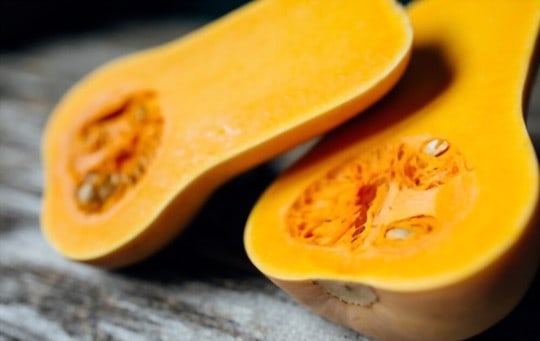
If you are looking for a squash with a nuttier flavor, butternut squash is a perfect choice.
They can be found in multiple sizes and colors, including orange and yellow.
It may also have green patches throughout its surface that do not affect the taste or quality of the vegetable.
This squash tastes great when roasted with things like garlic and onion.
This vegetable can be found in grocery stores year-round.
Butternut squash can be used to make soups, stews, and roasts.
It may also add a creamy texture when paired with pasta or rice dishes.
If a recipe specifies kabocha but it's unavailable, similar winter squashes can work; see kabocha swap options and preparation tips for guidance.
- Key Characteristics: Butternut squash has a sweet and nutty flavor with a smooth texture. It can be roasted, boiled, or pureed, making it an excellent substitute for pumpkin in various recipes.
- Proper Ratio: Use an equal amount of butternut squash as a substitute for pumpkin. Adjust the quantity based on your taste preferences and recipe requirements.
4 - Hubbard Squash
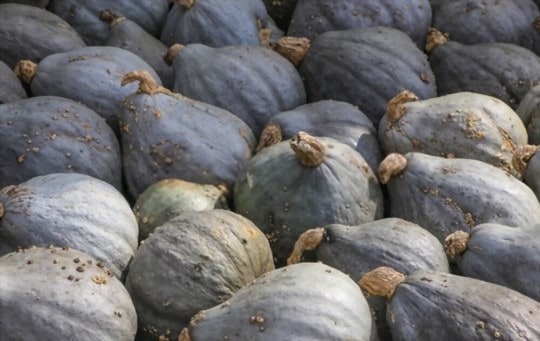
Hubbard squash is a winter squash typically has a green and yellow color.
They can also be found in smaller sizes and may appear more round than other types of winter squashes.
This squash has a nutty flavor and, when cooked, has a sweet taste.
Hubbard squash tastes great in soups, stews, or casseroles.
It can also be roasted or sautéed with other vegetables.
This vegetable can be found at grocery stores year-round.
Note that there are many varieties of this squash.
If you cannot find a hubbard squash at your grocery store, try substituting a butternut or acorn squash instead - or consider delicata squash swap suggestions for roasting.
- Key Characteristics: Hubbard squash is sweet and rich, with a dense texture. It can be roasted, steamed, or pureed to mimic the flavor and consistency of pumpkin.
- Proper Ratio: Use an equal amount of hubbard squash as a substitute for pumpkin. Adjust the quantity based on your taste preferences and recipe requirements.
5 - Canned Pumpkin
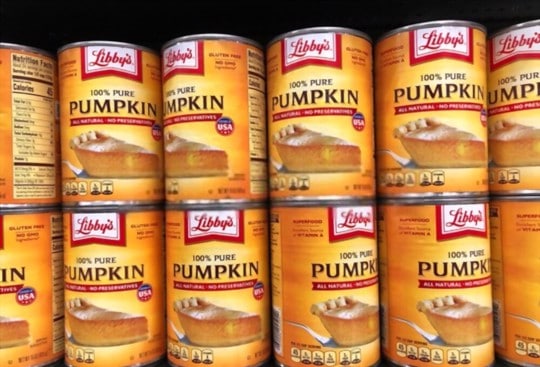
Canned pumpkin can be found at grocery stores year-round and is typically used as a baking ingredient.
When cooked, it has a sweet taste and creamy texture.
This canned product may pair nicely with other ingredients such as spices, sugar, oil, and fruit.
The mixture can then be cooked or baked before being served as a dessert or side dish.
Canned pumpkin can make soups, stews, and other dishes.
It may also add a sweet flavor to pasta or rice dishes.
Remember to avoid using this ingredient for pumpkin pies because it will not give the same taste.
- Key Characteristics: Canned pumpkin provides a smooth and creamy texture with a rich flavor. While it may seem obvious, using canned pumpkin can be a convenient substitute when fresh pumpkin is not available.
- Proper Ratio: Use an equal amount of canned pumpkin as a substitute for fresh pumpkin. Adjust the quantity based on your taste preferences and recipe requirements.
You might also want to know how pumpkin compares.
Frequently Asked Questions
Acorn Squash is the best substitute for Pumpkin because it shares a similar flavor and texture. Use it at a 1:1 ratio in any recipe that calls for Pumpkin.
Absolutely. Acorn Squash is the closest swap.
Sweet Potatoes also works in a pinch. Match the original amount and tweak from there.
Can this substitute be used in baking as well as cooking?
Some work in both, but baking is less forgiving.
Substitutes that alter fat content, sweetness, or moisture can shift the structure of baked goods.
Test with a small batch first.
Frozen substitutes sometimes change texture after thawing. This matters more in raw applications like salads than in cooked dishes where texture is softened by heat anyway.
Pumpkin risotto pairs well with many complementary dishes; What to Serve with Pumpkin Risotto? 7 BEST Side Dishes lists suitable accompaniments. For quick loaf pairings, What to Serve with Pumpkin Bread? 7 BEST Side Dishes suggests sides that match its flavors.