
Good replacements for Pearl Barley include Farro, Quinoa, Couscous, Bulgur Wheat, and Brown Rice.
Farro steps in with a chewy texture and nutty flavor, making it a crowd-pleaser in soups and salads.
For cooking, Quinoa also works well - adjust the amount to taste.
Running out of pearl barley isn't the end of your cooking spree.
Pearl barley's unique, but we've got the next best things to keep that pot boiling.
Quinoa not only packs a punch in the protein department, it also keeps your dishes filling and wholesome.
Farro steps in with a chewy texture and nutty flavor, making it a crowd-pleaser in soups and salads.
And rice? Well, it's the ultimate chameleon, slipping smoothly into any recipe that calls for pearl barley.
We're here to make sure you keep cooking, experimenting, and enjoying food, no barley required.
The 5 Best Substitutes for Pearl Barley
If you can't find pearl barley at your local grocery store, or if you're looking for a healthier alternative, there are several good substitutes.
Here are the five best substitutes for pearl barley:
1 - Farro
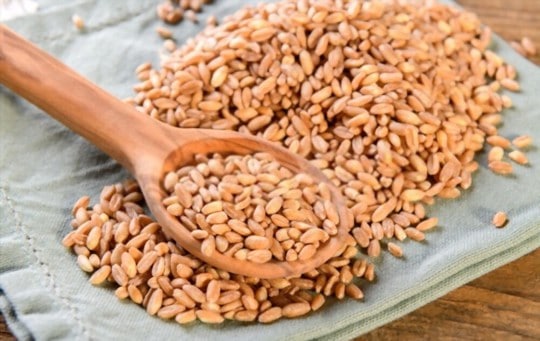
Farro is an ancient grain that has been cultivated for thousands of years.
It is a filling grain that is packed with nutrients, making it a good addition to any diet.
Farro has a nutty flavor and a chewy texture, making it a flexible ingredient in various dishes.
In addition to being delicious and nutritious food, farro is also highly sustainable.
It requires less water than other grains, and it can be grown in a variety of climates.
As demand for farro continues to increase, it is important to remember the many reasons why this ancient grain is so special.
2 - Quinoa
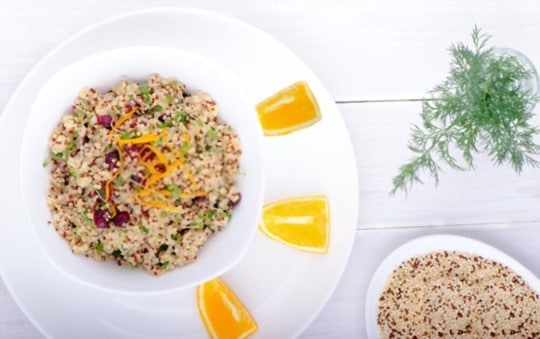
Quinoa has been called a "miracle grain" because of its many health benefits.
This nutrient-rich food is a good source of protein, fiber, and vitamins and can be used in various dishes.
Quinoa is native to the Andean region of South America, where it has been cultivated for thousands of years.
The Incas considered quinoa to be sacred, and it was known as "the mother of all grains".
Today, quinoa is widely available in supermarkets and health food stores.
It is often used as a healthy alternative to rice or pasta.
Quinoa has a light, fluffy texture and nutty flavor when cooked.
It can be enjoyed on its own or mixed with other ingredients.
Quinoa is a great choice whether you're looking for a nutritious breakfast or a tasty side dish.
3 - Couscous
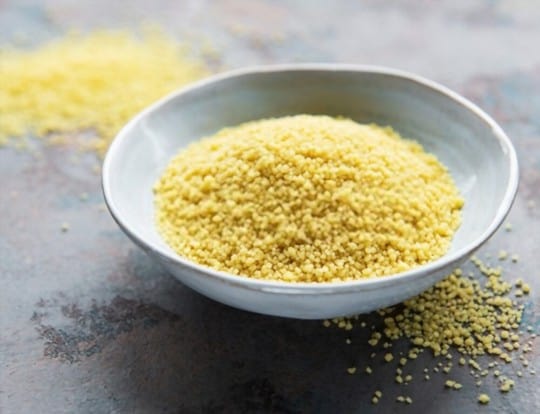
Couscous is a traditional North African dish made from semolina flour.
The flour is moistened with water and then formed into small pellets.
The pellets are then steamed, producing a light and fluffy final product.
Couscous can be served as a side dish or as the foundation for a more hearty meal.
It is often paired with vegetables, meat, or Franch sauces.
For many people, couscous is a key part of their cultural heritage and tradition.
However, it has become increasingly popular due to its versatility and flavor.
Couscous is an excellent option if you're looking for a quick and easy weeknight meal or a tasty way to add some excitement to your lunchtime routine.
4 - Bulgur Wheat
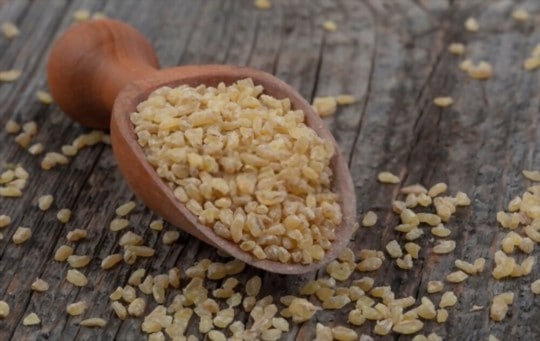
Bulgur wheat is a type of whole grain that is popular in Middle Eastern and Mediterranean cuisine.
It is made by steaming or boiling wheat berries until they are soft, then drying and grinding them into flour.
Bulgur wheat has a nutty flavor and a chewy texture, making it a flexible ingredient for both savory and sweet dishes.
While it is most commonly used in pilafs and salads, bulgur wheat can also be used in desserts, baked goods, and even soups.
Thanks to its health benefits and versatility, bulgur wheat is an increasingly popular grain worldwide.
5 - Brown Rice
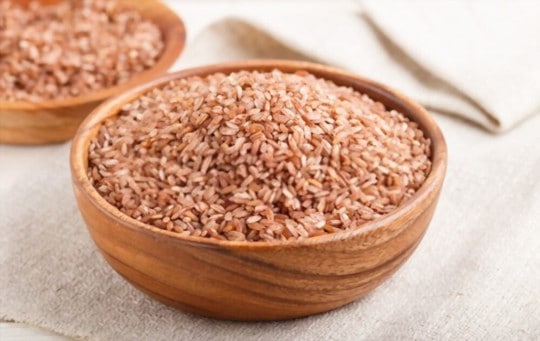
Brown rice is a whole grain that is packed with nutrients and has a variety of health benefits.
Unlike white rice, which is stripped of its outer layer of bran and germ, brown rice retains these important parts of the grain.
As a result, brown rice is a good source of fiber, vitamins, and minerals.
It also has a lower glycemic index than white rice, meaning it won't cause spikes in blood sugar levels.
In addition to being nutritious, brown rice is also delicious and versatile.
It can be used in everything from stir-fries to desserts.
Frequently Asked Questions
Farro, Quinoa, Couscous, Bulgur Wheat, and Brown Rice. Use it at a 1:1 ratio in any recipe that calls for Pearl Barley.
In most cases, yes. Try Farro first since the flavor is closest.
Quinoa handles heat and texture differently, so test in small batches.
It can, especially with ingredients that have distinct colors or pigments. The difference is usually minor in mixed dishes but may be more visible in lighter sauces or batters.
How do you adjust seasoning when using a substitute?
Taste as you go.
Substitutes can be saltier, milder, or sweeter than the original.
Add seasoning gradually and adjust at the end rather than matching the original recipe amounts exactly.