
Baby dill pickles or small dill gherkins replace cornichons at 1:1, whole on a board or chopped in a sauce.
- Kosher dill pickles, chopped, suit tartar sauce or rémoulade once you add a pinch of tarragon.
- If you use capers, start with half as many, since they hold nearly triple a pickle's sodium.
- You can skip sweet gherkins unless the dish wants sugar.
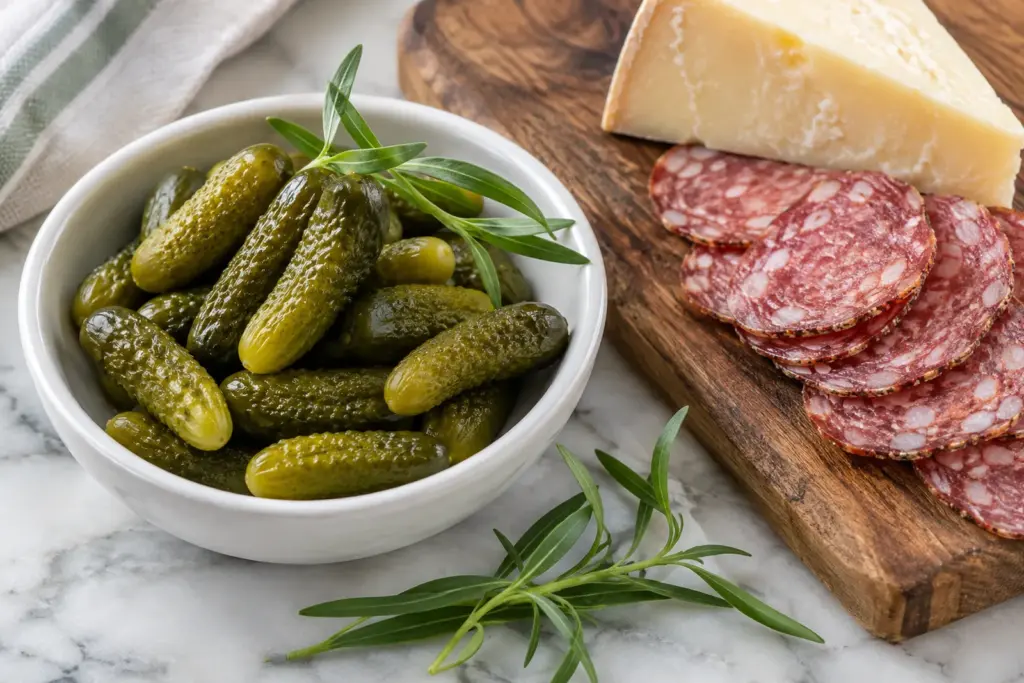
Cornichons are tiny, tart French pickles, and every swap below comes from the pickle or olive aisle of a regular grocery store, so a missing jar is one of the easier mid-recipe ingredient swaps to fix. Which jar you grab depends on whether the cornichons go whole on a board or chopped into a sauce.
What Do Cornichons Do in a Recipe?
Cornichons are gherkins picked young, at 1 to 2 inches long, then salted and soaked in vinegar, and many jars also hold tarragon, pearl onions or mustard seeds.
They are tart like a dill pickle, with a bumpier skin and a firmer snap than regular deli pickles.
In a dish, a cornichon does three jobs, and each one points you to a different swap:
- Their sharp acid cuts through pâté, melted cheese and mayonnaise sauces.
- You get a small, firm crunch that survives being stirred into a sauce.
- Tarragon, an anise-like herb that dill pickles do not carry, adds an herbal note.
Almost any dill pickle covers the acid and the crunch, and you can add the tarragon back yourself with the pinch in item 2's steps.
6 Best Substitutes for Cornichons
| Substitute | Ratio | Best for |
|---|---|---|
| Baby dill pickles | 1:1 | Boards, sandwiches |
| Chopped kosher dill | 1:1 by volume | Sauces, egg salad |
| Capers | Half the volume | Sauces only |
| Caperberries | 1:1, stem off | Boards, sauces |
| Pickled pearl onions | Count for count | Boards, raclette |
| Pickled green beans | 1:1 | Boards, sandwiches |
The first two rows handle most recipes. You reach for the rest when the dill jar is empty or when a board needs a different shape.
1. Baby Dill Pickles and Dill Gherkins
These come closest in size and snap, so they are the first jar to reach for. Whole or halved lengthwise on a board, or sliced into rounds for a sandwich, they replace cornichons one for one.
Dill takes the place of tarragon, so you lose the faint anise note and keep everything else. Beside rich pâté, ham or a hard cheese, you will barely notice the change, because the sour bite does the work.
2. Chopped Kosher or Sour Dill Pickles
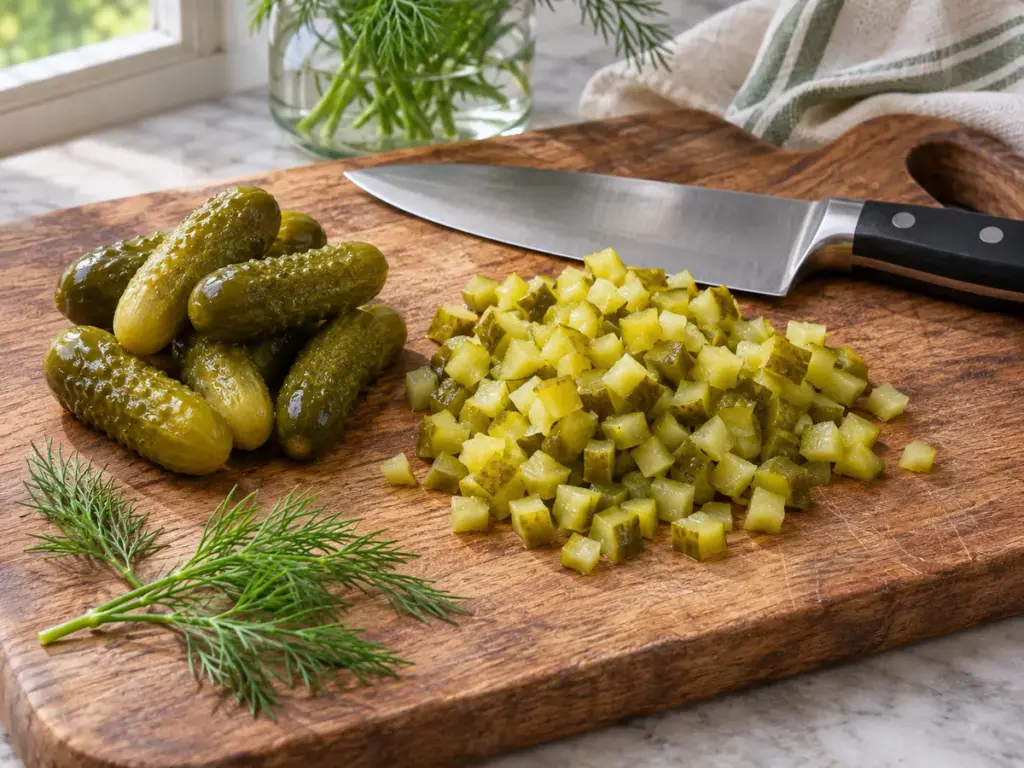
A full-size dill pickle is the best swap for sauces, because you chop it anyway and the crunch matters less once it sits in mayonnaise or egg. After chopping, it goes in at 1:1 by volume in tartar sauce, rémoulade or egg salad.
USDA lists kosher dill pickles at 809 mg of sodium per 100 g and sour pickles at 1,208 mg, about half again as much, so kosher dill is the better pick when you have both, and you taste before adding salt. If a sauce tastes flat, a few drops of white wine vinegar fix it better than more salt.
- Drain and pat dry. Brine on the pieces thins mayonnaise and makes a sauce runny.
- Chop to quarter-inch bits. That is about the size a sliced cornichon gives you.
- Add a pinch of tarragon. Mince fresh leaves fine, and use a smaller pinch if dried. If you have no tarragon, you can use one of the herbs that replace tarragon.
3. Capers
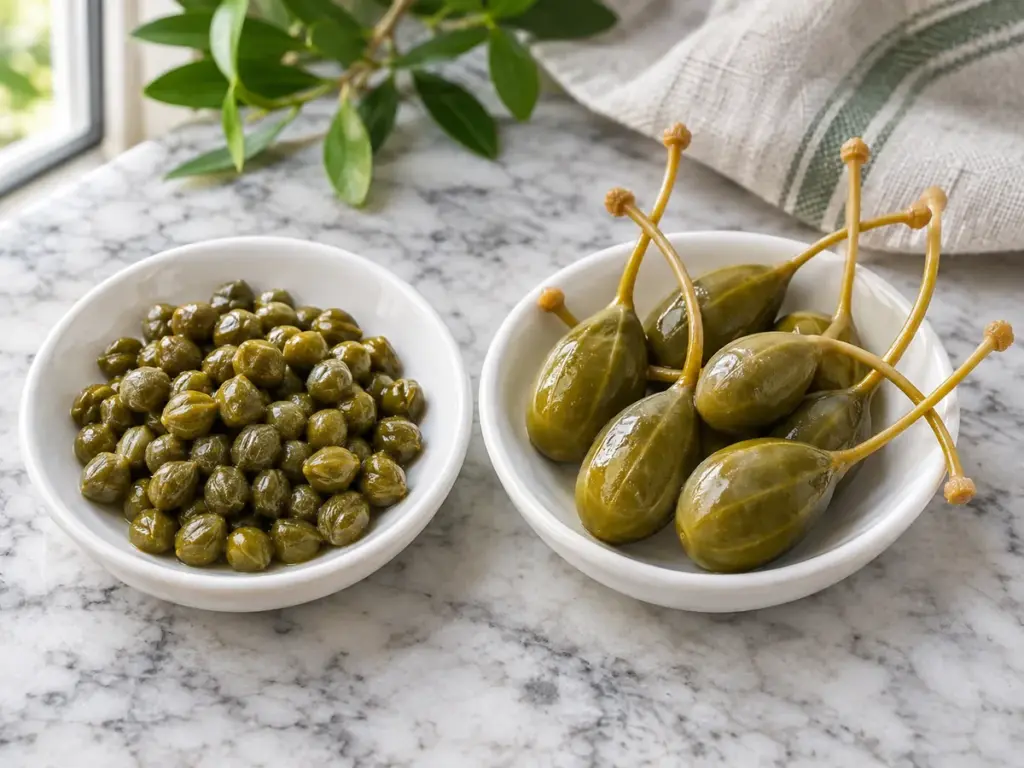
Capers are salted flower buds, so they bring salt and a floral, briny flavor but no crunch, which limits them to sauces.
Gribiche, a cold sauce of hard-boiled egg yolk and mustard whisked with oil, already uses capers beside chopped cornichons and parsley. In place of cornichons, you use half the volume the recipe gives, once you drain and rinse the capers.
USDA lists canned capers at 2,348 mg of sodium per 100 g, nearly three times a kosher dill pickle, so you may not need any added salt when capers share the bowl. A little minced celery or shallot in the sauce makes up for the missing crunch.
4. Caperberries
Caperberries are the olive-shaped fruit of the same bush that gives capers their buds, and they sit in brine on the same shelf. Once you cut off the tough stem, they go in 1:1, and on a board they pass for cornichons at a glance.
They also work chopped in a sauce, though their small seeds make them less crisp, and like the pickles in item 2 they need draining, since extra brine thins a sauce. Their brine is salty enough that you'll want to taste the sauce before you season it.
5. Pickled Pearl Onions
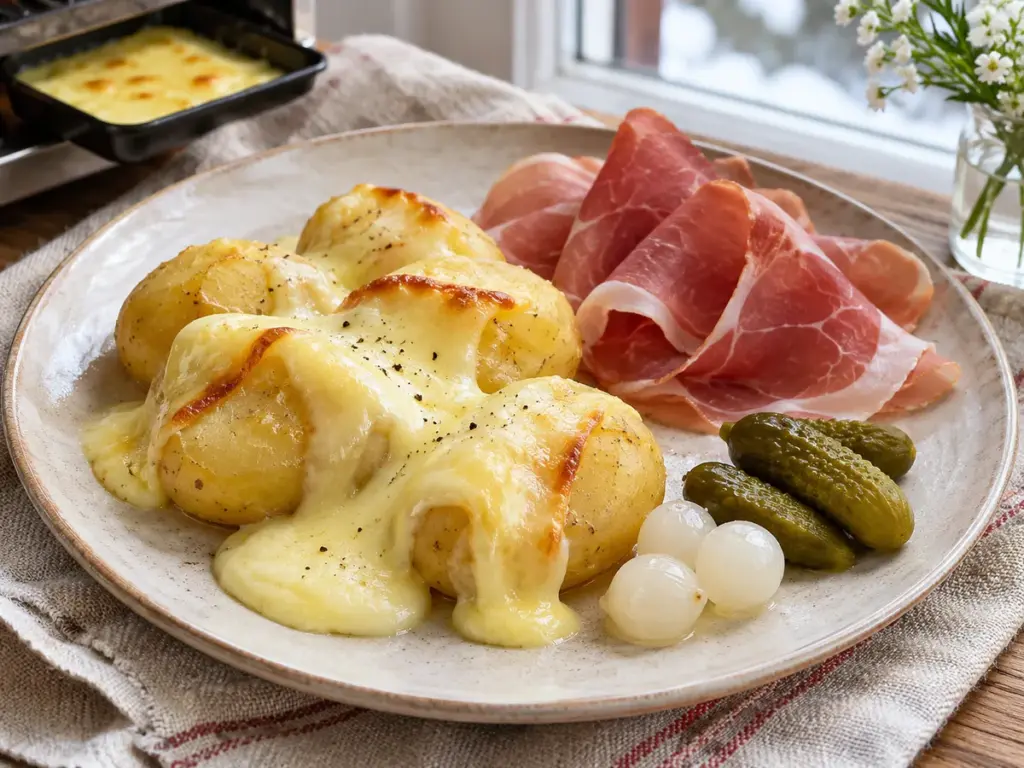
Many cornichon jars already hold a few pearl onions, and on a raclette plate pickled onions do the same job as cornichons with a little more sweetness. Count for count, the onions can take the cornichons' place, and you can halve them for a sandwich because each onion is bigger.
They suit boards, raclette and cheese platters, but in a sauce chopped onion adds its own flavor, so the kosher dill from item 2 works better there.
6. Pickled Green Beans
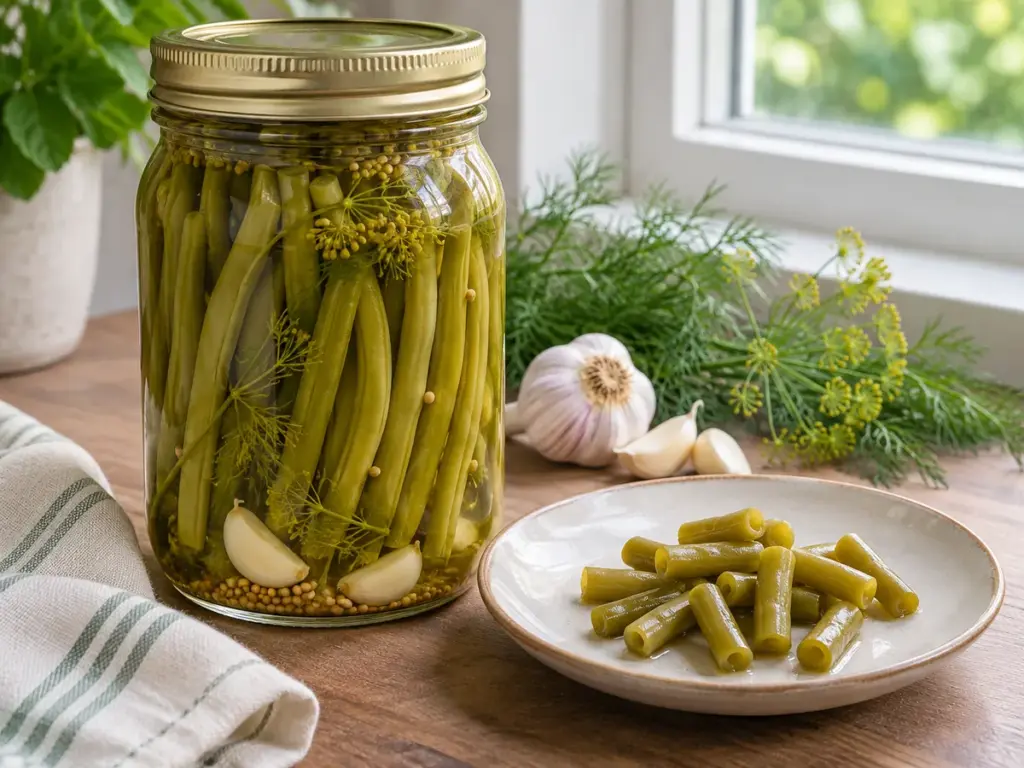
Dilly beans, as pickled green beans are often sold, give you a clean snap and a garlic and dill brine. On a board you set them out whole, and on a sandwich you lay a few across, one bean for each cornichon.
A dill and garlic jar tastes closest to cornichons on a board, while a sweet or spicy one changes the flavor.
You drain and pat the beans dry first, so brine does not pool on the cheese or crackers. They suit a board better than a sauce, because chopped beans scatter into thin green pieces.
Which Swaps Do Not Work for Cornichons?
Sweet relish, sweet gherkins and bread and butter pickles add sugar to a dish that expects only vinegar and herbs, so gribiche and rémoulade taste off with them.
The one exception is an American tartar sauce that already uses sweet relish, where you keep the relish and add nothing. If your recipe calls for sweet relish itself, these sweet relish stand-ins cover it.
Dill relish is the relish that does work in a sauce, because it is already chopped dill pickle with no added sugar. Once it is well drained, you can use it as you would the chopped pickle in item 2.
Fresh cucumber has the crunch but no vinegar, so it cannot do the acid job, and its water thins your sauce. If you must use it, you can add a splash of white wine vinegar and a pinch of salt to the bowl.
Sources
- USDA FoodData Central, FDC 168558, pickles, cucumber, dill or kosher dill (809 mg sodium per 100 g).
- USDA FoodData Central, FDC 169379, pickles, cucumber, sour (1,208 mg sodium per 100 g).
- USDA FoodData Central, FDC 172238, capers, canned (2,348 mg sodium per 100 g).
- Food Republic, What Is a Cornichon (size, vinegar brine, pearl onions and mustard seeds in some jars).
- Striped Spatula, About Cornichons (tarragon, mustard seeds and pearl onions as common additions).
- Obviously French, Raclette (cornichons and pickled onions on the plate, both cutting the cheese's richness).
- Wikipedia, Sauce Gribiche (egg yolk and mustard emulsified with oil, with pickled cucumbers, capers and herbs).

Food writer at GustoMeadow. Writes ingredient substitutes, food comparisons, taste guides and storage guides for home cooks.
Storage and food-safety numbers follow USDA, FDA and university extension guidance.



