
A bottled mushroom oyster sauce swaps 1:1 for oyster sauce, and hoisin sauce works the same way.
- No bottle? Start with a little under 1 tablespoon soy sauce plus ½ teaspoon brown sugar and taste.
- Fish sauce and Worcestershire contain fish, and soy sauce, hoisin and teriyaki contain wheat.
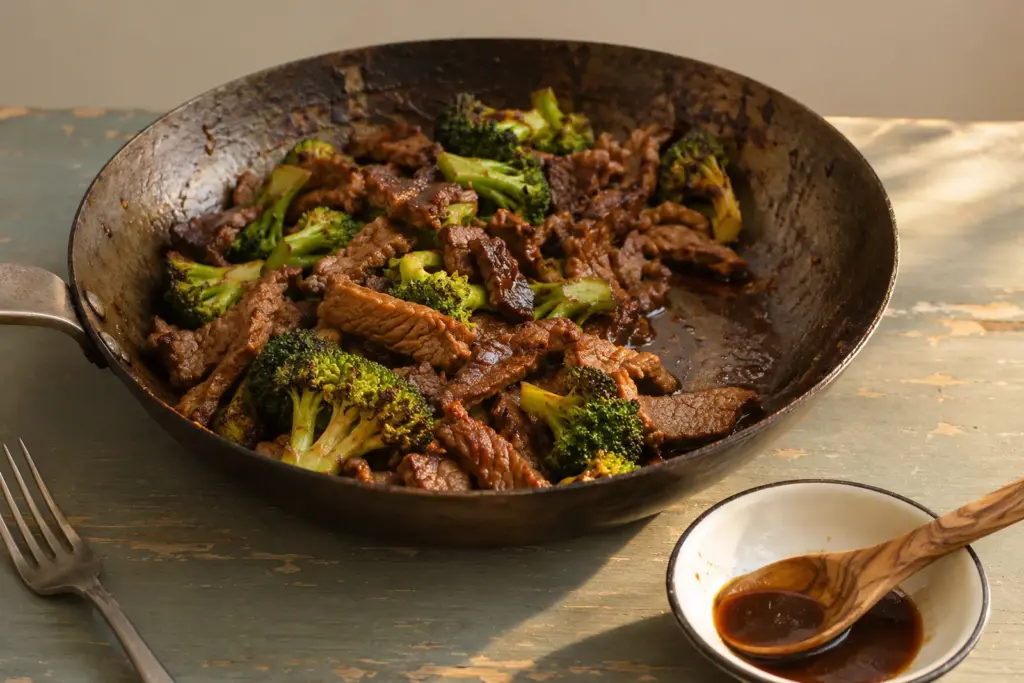
Six common ingredient swaps cover the usual reasons a bottle is missing: a shellfish allergy, a vegan household, a wheat-free diet or an empty fridge door. Each amount below is per tablespoon of oyster sauce in the recipe.
What Does Oyster Sauce Do in a Stir-Fry?
Oyster sauce is a dark, thick sauce, and Lee Kum Kee's premium bottle lists oyster extract, sugar, water, salt, modified corn starch and wheat flour as its key ingredients.
In your stir-fry it does three jobs at once: it adds salt and sweetness together, a savory depth from the oyster extract, and body from the starch, so the sauce clings to the food instead of pooling in the pan.
Most swaps match the salt and sweetness but pour thinner. Insanely Good Recipes thickens its mushroom-broth version with 1 tablespoon of cornstarch stirred into 2 tablespoons of water, and the same slurry can rescue any thin swap below.
If the bottle is only old, not empty, find out whether an opened bottle of oyster sauce has really gone bad before you replace it.
The 6 Best Oyster Sauce Substitutes
| Swap | For 1 Tbsp | Best For |
|---|---|---|
| Mushroom sauce | 1 Tbsp | Vegan cooking |
| Hoisin | 1 tablespoon or less | Sweeter dishes |
| Soy sauce + sugar | Under 1 tablespoon soy, ½ teaspoon sugar | Pantry fix |
| Fish sauce + sugar | ¾ tsp, ⅜ teaspoon sugar | Savory noodles |
| Worcestershire + soy | ¾ teaspoon of each | Marinades |
| Teriyaki | 2 tsp | Noodles |
Each amount is a starting point, so taste before you add more, and use the cornstarch slurry from above when a swap pours thin.
1. Mushroom Vegetarian Oyster Sauce
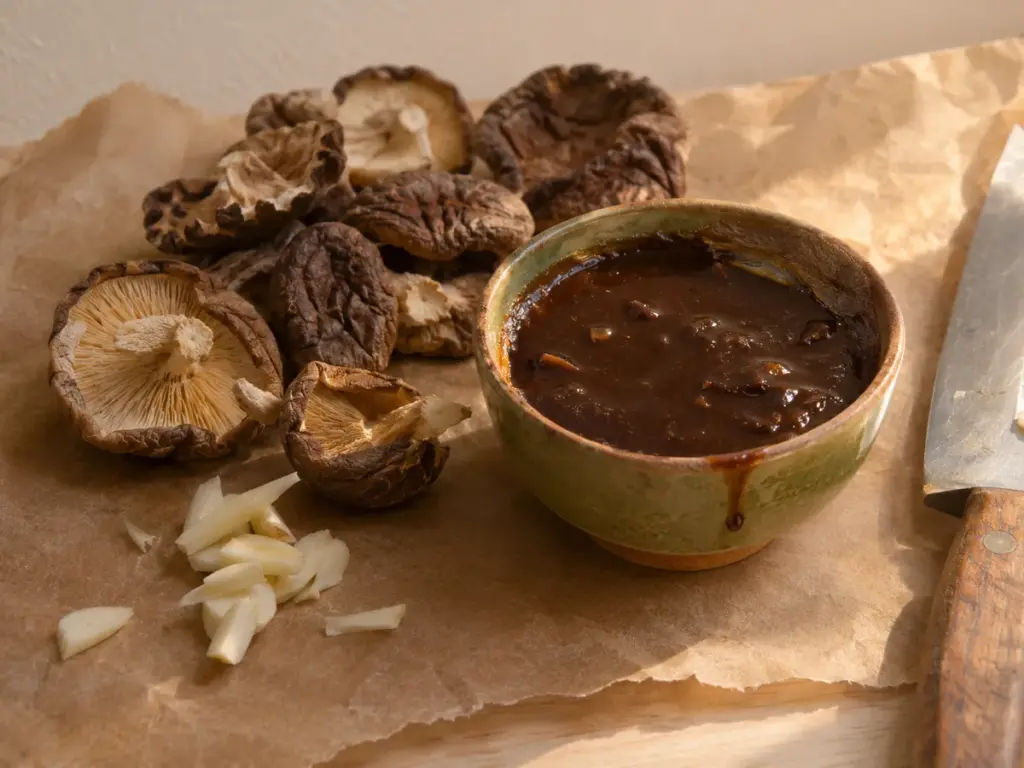
Bottled mushroom sauces are made to stand in for oyster sauce, so you adjust the recipe least. Lee Kum Kee says its Mushroom Vegetarian Stir-Fry Sauce was designed as an alternative to oyster sauce, and Savory Sweet Spoon calls for a 1:1 swap.
Some of these bottles carry a plain "stir-fry sauce" name, so look for the mushroom and vegetarian wording. The US vegan version lists water, sugar, soy sauce, salt, starch, yeast extract, caramel color and dried mushrooms, and its allergen line names only soybeans.
A homemade version built on dried mushrooms is also a 1:1 swap, which the Omnivore's Cookbook author confirms in a comment, and the recipe keeps up to a week in the fridge. If you cook gluten-free, leave out its optional miso, which adds wheat.
2. Hoisin Sauce
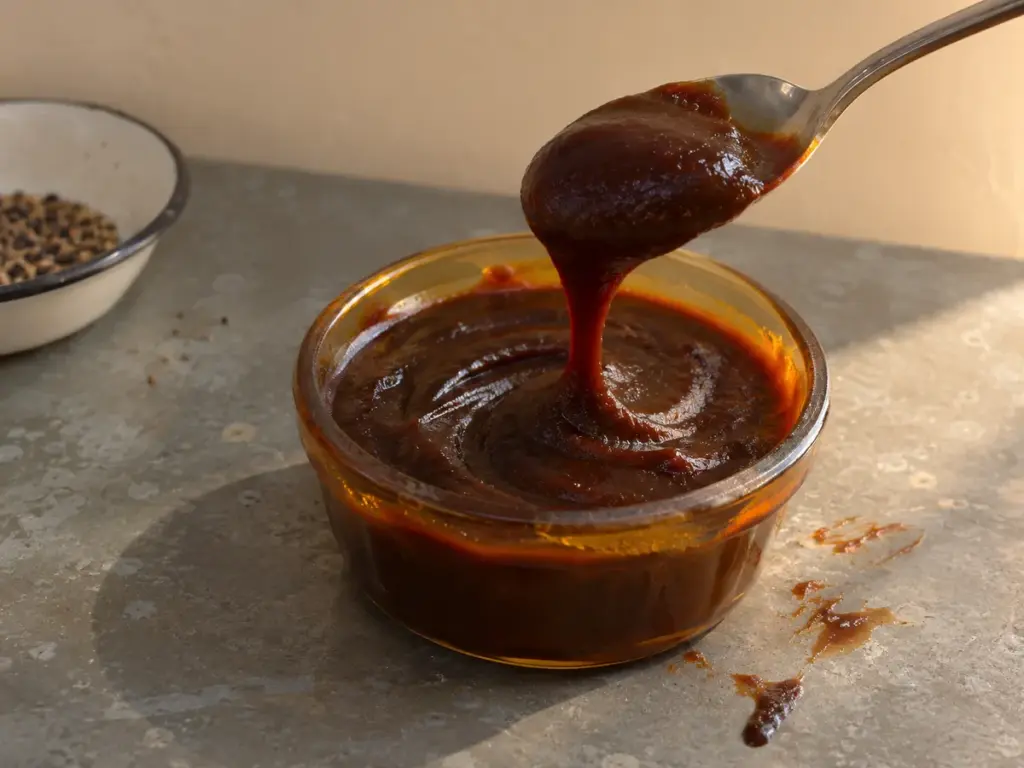
An open jar of hoisin is the swap you can make in most kitchens without shopping. Healthline says it can usually go in 1 to 1, with less if your jar is especially potent. That 1 to 1 is a published recipe figure, not a standardized ratio.
Hoisin is sweeter than oyster sauce, so you may want to balance it, and San-J suggests adding salt or tamari. Insanely Good Recipes splits the amount instead: equal parts hoisin and soy sauce, with the same total volume as the oyster sauce.
Lee Kum Kee calls its hoisin vegan, and its allergen line lists soybeans, wheat and sesame.
3. Soy Sauce and Brown Sugar
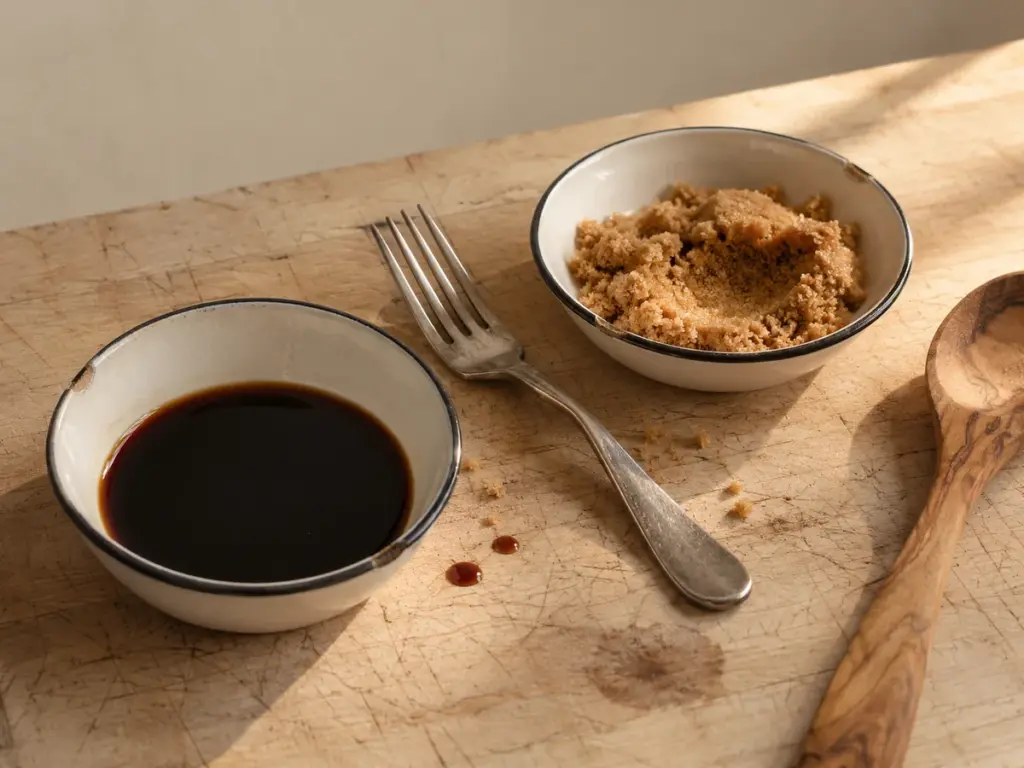
Salt and sweetness come from pantry soy sauce plus a little sugar. Savory Sweet Spoon mixes 1 tablespoon soy sauce with ½ teaspoon brown sugar, and thickens it with cornstarch when the dish needs body.
Healthline advises less soy sauce than the recipe's oyster sauce amount, because soy sauce is a salty seasoning in its own right. Start with part of the tablespoon, taste, then add the rest.
Traditional soy sauce is water, soybeans, wheat and salt. If you cook gluten-free, use Kikkoman's rice-based soy sauce or tamari, which is usually gluten-free.
4. Fish Sauce and Sugar
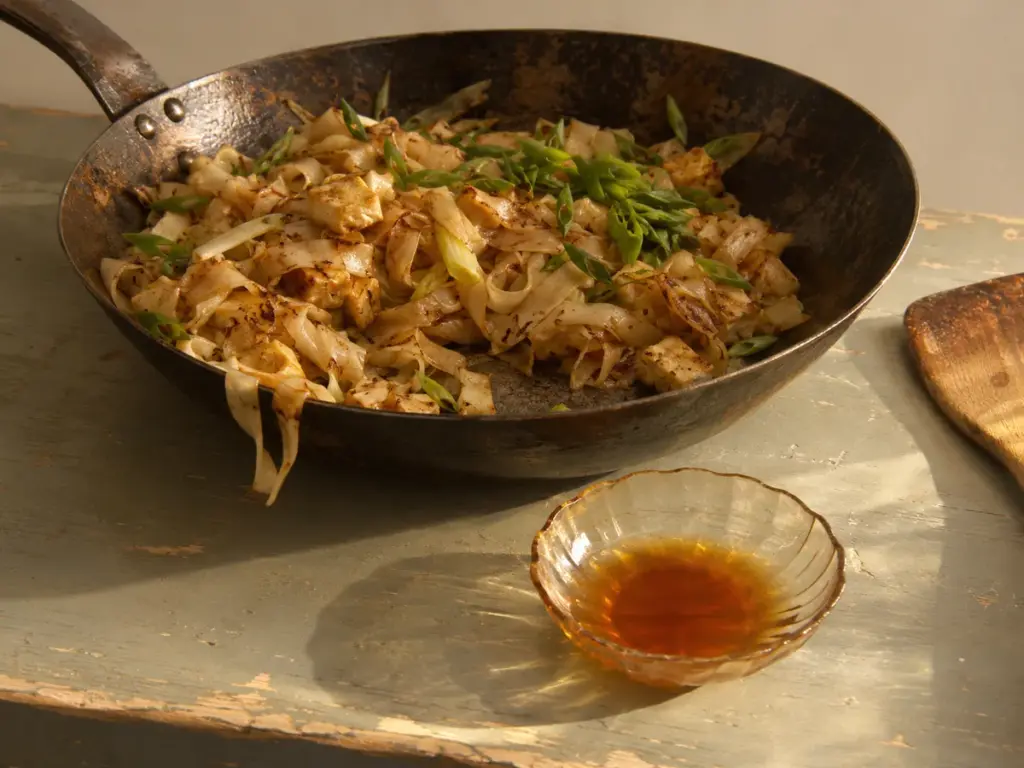
A splash of fish sauce supplies salt and umami but no sweetness or body, so you add less of it than of any other swap here. Insanely Good Recipes uses ⅛ cup of it plus 1 tablespoon of sugar for ½ cup of oyster sauce, which is about ¾ teaspoon fish sauce and ⅜ teaspoon sugar per tablespoon (calculated from that ratio).
Savory Sweet Spoon adds it a half teaspoon at a time, and Tasting Table says a touch of sugar rounds off its rough edges.
It is made from fermented fish, so it is not vegan, and fish is its own major allergen on FDA's list. If you or a guest has a fish allergy, skip this swap.
5. Worcestershire Sauce and Soy Sauce
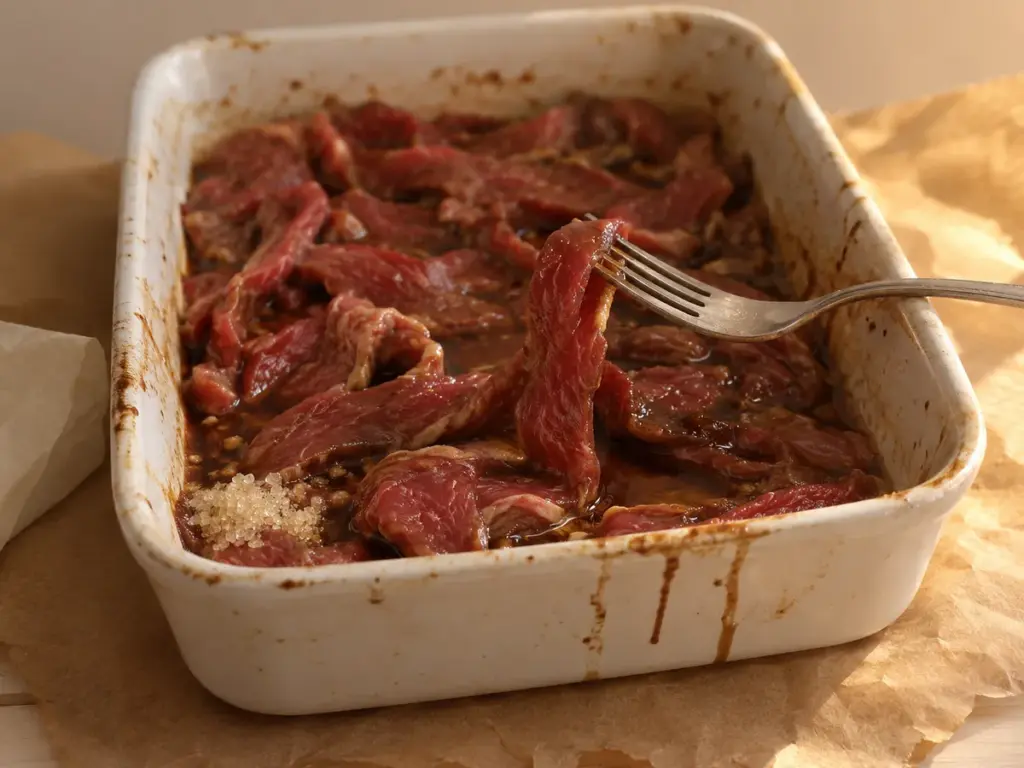
Bottled Worcestershire brings tang and umami, and soy sauce brings the salt. Mix them in equal parts, about ¾ teaspoon of each per tablespoon of oyster sauce, a figure calculated from the ⅛ cup of each that Insanely Good Recipes pairs with ½ cup of oyster sauce.
Healthline takes a gentler route for stir-fries and marinades: start with mostly soy sauce, stir in a little sugar, then add a few drops of Worcestershire.
The US Lea & Perrins label lists anchovies and declares fish, so you should skip this swap for a vegan meal or a fish allergy, and the soy sauce adds wheat.
6. Teriyaki Sauce
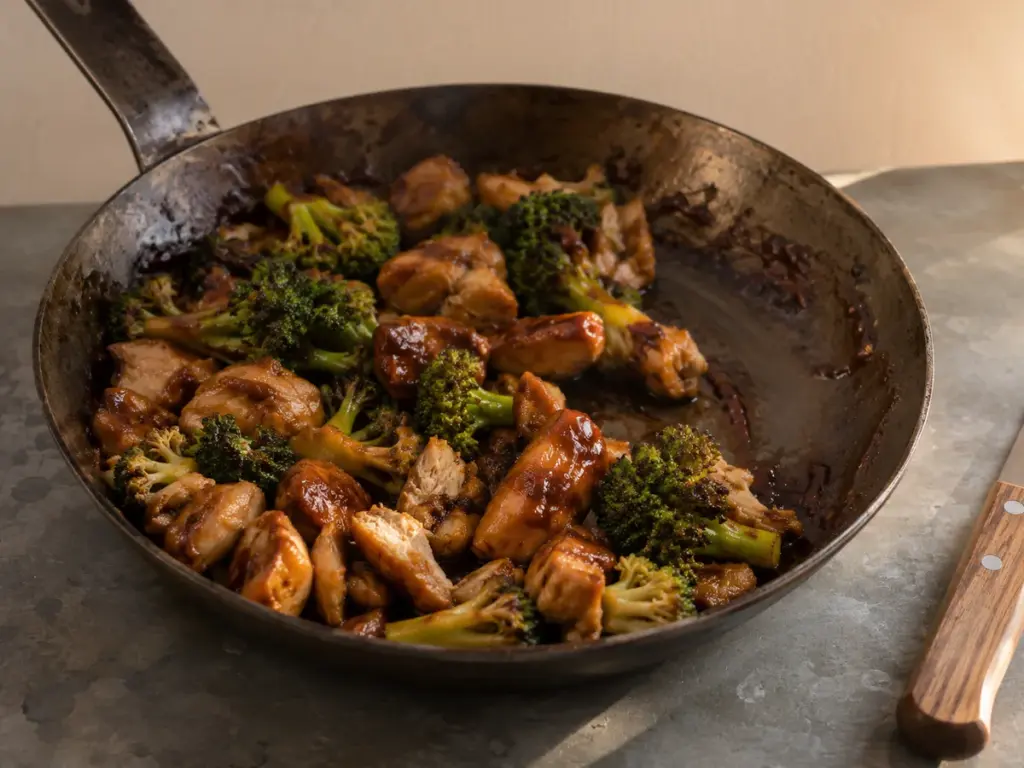
Bottled teriyaki is soy sauce, sugar and wine, so it is sweeter than oyster sauce, and Kikkoman sells it as a pourable marinade.
Sources split on the amount. Tasting Table uses 2 teaspoons of teriyaki for 1 tablespoon of oyster sauce, while Insanely Good Recipes goes 1:1 with a plain teriyaki that has no added sugar or honey. Start with the smaller amount and thicken with the cornstarch slurry from above.
Kikkoman's teriyaki contains soy and wheat. Kikkoman says its teriyaki sauces contain a small amount of alcohol.
What Should You Know About Shellfish Allergies and Labels?
If you cook gluten-free, choose the Lee Kum Kee mushroom sauce, whose UK page lists it as gluten free, or use rice-based soy sauce or tamari. Check the bottle you buy, because formulas differ by brand and country.
Sources
- Lee Kum Kee UK, Premium Oyster Sauce: key ingredients and allergens (molluscs, wheat).
- Lee Kum Kee UK, Mushroom Vegetarian Stir-Fry Sauce: designed as an oyster sauce alternative, ingredients, soybeans, listed as gluten free.
- Lee Kum Kee USA, Vegan Oyster Flavored Sauce: ingredients and soybean allergen.
- Lee Kum Kee USA, Hoisin Sauce: soybeans, wheat and sesame allergens, vegan.
- Kikkoman, Double Fermented Shoyu (water, soybeans, wheat, salt, alcohol; contains wheat), Gluten-Free Soy Sauce (rice in place of wheat) and Teriyaki Marinade and Sauce (soy sauce, sugar, wine; soy and wheat).
- Healthline: hoisin 1 to 1, use less soy sauce, Worcestershire method.
- Insanely Good Recipes: amounts per ½ cup of oyster sauce and the cornstarch slurry.
- Tasting Table: teriyaki amount, sugar with fish sauce, fish sauce made from fermented fish and salt.
- Savory Sweet Spoon: mushroom sauce 1:1, soy sauce with brown sugar, fish sauce a half teaspoon at a time, tamari.
- San-J: hoisin is sweeter than oyster sauce; add salt or tamari.
- Omnivore's Cookbook: homemade dried shiitake sauce, 1:1 swap, fridge storage, miso and wheat.
- FDA, Food Allergies: the nine major allergens, including fish and crustacean shellfish.
- Vegetarian Resource Group: oyster extract and the "Contains" statement.
- Open Food Facts: US Lea & Perrins Worcestershire ingredients and fish allergen.

Food writer at GustoMeadow. Writes ingredient substitutes, food comparisons, taste guides and storage guides for home cooks.
Storage and food-safety numbers follow USDA, FDA and university extension guidance.



